
Wildlife Conservation Experiments Reshape Global Nature Tourism
Reintroduced species and ecological restoration projects in Florida, Yellowstone, Zealandia, and Australia emerge as major travel drivers in H2 2026.

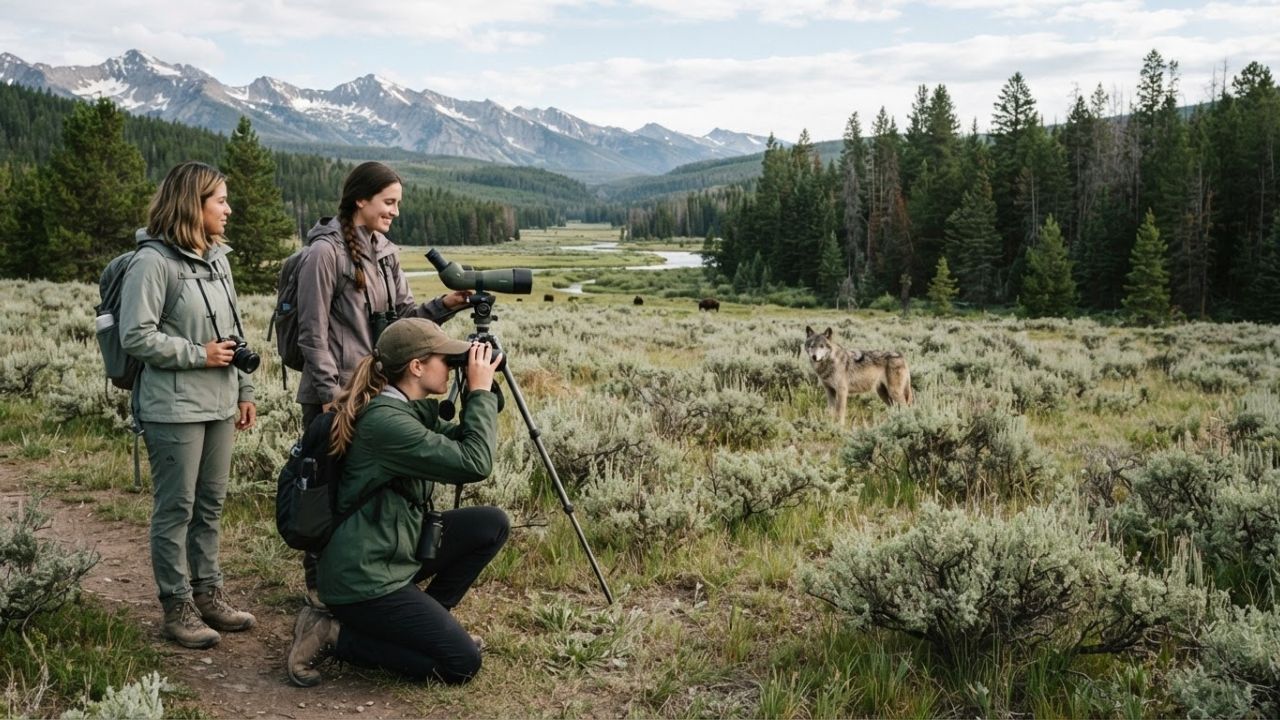
Image generated by AI
As global conservation projects turn to habitat rewilding and species restoration, travelers are seeking out hands-on ecological experiments that turn environmental science into travel drivers.
Reintroduced Species and the New Wild Tourism Trend
The nature travel market is observing a significant realignment, with conservation programs and ecological restoration projects emerging as primary drivers of visitor travel. In many destinations, governments and wildlife agencies are reintroducing native species, removing invasive predators, and restoring natural biomes. These initiatives are not only supporting environmental recovery but also generating substantial economic benefits for gateway communities. From the volcanic valleys of Yellowstone to the predator-free sanctuaries of New Zealand, travelers are seeking out destinations where they can witness conservation in action. By linking ecological protection with structured public recreation, these wildlife management projects are establishing new paths for responsible travel.
For the traveler, the real impact of these conservation programs is the opportunity to enjoy unique, high-quality wildlife encounters. By choosing destinations that prioritize environmental restoration, visitors can support local conservation efforts while experiencing pristine habitats that host rare species. This shift represents a transition from passive sightseeing to active, education-based engagement with the natural world, supporting a deeper understanding of ecological balance.
Key Wildlife Conservation Projects and Tourism Significance
| Destination | Wildlife Intervention | Key Conservation Data | Tourism Significance |
|---|---|---|---|
| Yellowstone, USA | Wolf reintroduction | $80m+ annual Greater Yellowstone wolf-watching contribution | Wolf watching is a major wildlife attraction |
| Yellowstone, USA | National park tourism | 3.3m visitors; $452m nearby spending in 2022 | 6,234 local jobs supported |
| New Zealand | Predator-free restoration | 110 predator-free islands reported by DOC | Wildlife restoration supports recreation and nature tourism |
| Zealandia, New Zealand | Native biodiversity restoration | 225 hectares | Public conservation attraction |
| Australia | Greater Bilby reintroduction | About 3,000 reintroduced bilbies in 2021 | Wildlife sanctuaries strengthen conservation tourism |
| Australia | Bilby habitat protection | 20,000+ hectares managed; A$8m+ investment reported in 2026 | Expands opportunities for wildlife-focused travel |
| South Africa | Captive-lion policy reform | National policy moving toward ending commercial captive breeding | Protects the country's authentic wildlife-tourism brand |
Historic Interventions and Public Health Precautions in Florida
Florida's Silver Springs provides a clear example of how a historic tourism initiative can create long-term wildlife and public health consequences. In the 1930s, rhesus macaques were released around Silver Springs to increase visitor interest. The monkeys established a wild population along the Silver and Ocklawaha rivers, with more than 100 individuals currently documented.
According to research published by the CDC in 2018, the population began with approximately 12 monkeys introduced via two separate events. This group expanded to about 400 individuals during the 1980s. By 2015, approximately 175 macaques remained within Silver Springs State Park, with other groups moving into surrounding river forests.
While seeing macaques beside Florida's waterways is an unusual attraction, the CDC advises travelers to avoid all direct contact with these monkeys. They can carry B virus (macacine herpesvirus 1), which can cause severe disease in humans. Analysis of 317 blood samples collected between 2000 and 2012 revealed that 84 macaques tested positive for B-virus antibodies, representing an average annual seroprevalence of 25%, with a standard deviation of 9 percentage points.
No seropositive animals were found among monkeys younger than one year, while seroprevalence reached 57% among four-year-olds and 75% among those older than five. Saliva testing in 2015 and 2016 showed that 4% to 14% of macaques shed viral DNA during the autumn breeding season, with zero shedding detected in spring and summer. Testing of 23 fecal samples showed no viral DNA. For safety, visitors are advised to enjoy the springs from a distance, never offer food, and seek immediate medical wash-up and treatment if bitten or scratched.
Economic Impacts of Reintroducing Apex Predators in Yellowstone
Wolves were reintroduced to Yellowstone National Park in 1995 and 1996 under an experimental framework, requiring no further releases. Today, wolf watching generates more than $80 million annually for the Greater Yellowstone economy. In 2005, an estimated 94,000 out-of-state visitors traveled specifically to see or hear wolves, spending approximately $35.5 million.
The broader park tourism is substantial. In 2022, 3.3 million visitors spent $452 million in gateway communities, supporting 6,234 jobs and generating $600 million in cumulative economic benefit. The recovery of the wolf population has also helped restore the park's ecological balance, demonstrating the ecological benefits of apex predators.
Predator-Free Islands and Fenced Reserves in New Zealand and Australia
The New Zealand Department of Conservation (DOC) has established over 110 predator-free islands to support native species. Zealandia, a 225-hectare fenced sanctuary in Wellington, operates as a major public attraction. Rare species like the flightless takahē have been placed on islands like Tiritiri Matangi, Rotoroa, and Tāwharanui. Active programs on Stewart Island (Predator Free Rakiura) aim to establish new opportunities for nature guiding, regional employment, and tourist visits.
Similarly, Australia is establishing reintroduced populations of threatened species inside large, predator-free fenced reserves, some spanning up to 262,000 hectares. Reintroduced populations of the Greater Bilby reached 3,000 animals in 2021, across locations including Mallee Cliffs National Park and the Arid Recovery Reserve. In 2026, local authorities reported that over 20,000 hectares of bilby habitat had been secured, supported by over A$8 million in conservation funding.
These fenced reserves exclude introduced predators like feral cats and foxes, allowing threatened species to breed safely, stabilizing local ecosystems while providing visitors with opportunities to observe rare marsupials in their natural environment.
Reforming Captive Lion Breeding Policies in South Africa
South Africa is reforming its wildlife brand by phasing out captive lion breeding. In 2024, a Cabinet statement proposed closing captive-lion facilities and ending intensive commercial controlled breeding. This policy shift aims to support authentic, wild ecotourism focused on free-ranging "Big Five" wildlife.
By transitioning away from commercial breeding, the government aims to protect the country's international reputation and ensure that wildlife travel supports genuine conservation efforts. Ecotourism plays a significant role in funding wilderness reserves, making the preservation of an authentic brand essential for long-term conservation.
Ecotourism and Community Support in Restored Wilderness
For the traveler, the real impact of these conservation programs is the opportunity to participate in slow travel that directly funds local gateway economies and native ecosystem restoration. By visiting fenced sanctuaries and participating in guided safaris, tourists contribute directly to the budgets of national conservation agencies. In gateway communities, this creates stable employment opportunities for wildlife guides, hospitality providers, and conservation technicians, demonstrating that wildlife preservation is a viable economic driver.
Travelers can support local gateway economies by purchasing agricultural products directly from farmers and utilizing park-approved local guides. Additionally, respecting local biosecurity measures, such as boot-cleaning stations in New Zealand, prevents the spread of soil-borne pathogens. Using only mineral-based, biodegradable sunscreens in rivers and waterways protects the water quality from chemical pollution, keeping local biomes healthy.
Destination Specialist Local Insider Tips
To help you explore these wildlife conservation zones safely and comfortably, regional specialists suggest the following tips:
- Explore During the Autumn Shoulder Season: Visit Yellowstone in September or October to enjoy active wolf behavior and vibrant fall foliage while avoiding summer traffic queues.
- Maintain Safe Wildlife Distances: Stay at least 100 yards away from wolves and bears in Yellowstone, and never feed or approach the macaques in Florida.
- Boot Cleaning for Biosecurity: In New Zealand, protect native forests by scrubbing and spraying your hiking boots at designated track entry cleaning stations.
- Join a Night Sanctuary Tour: Experience unique wildlife behavior by booking a night tour at Zealandia to spot the little spotted kiwi or searching for nocturnal bilbies in Australia.
- Savor Regional Gastronomy: Try traditional bison burgers or elk chili in Yellowstone gateway towns, or local braai (barbecue) in South Africa.
Long-Term Outlook for Sustainable Nature Travel
The long-term outlook for wildlife tourism is a transition toward authentic, ethical ecotourism. As travelers increasingly reject commercial captive animal exploitation (such as captive lion encounters in South Africa), destinations must reform their tourism brands to prioritize genuine, free-ranging wildlife experiences. Managed visitor footprints and strict biosecurity protocols will ensure that restored environments and endangered species remain protected for future generations.
As visitor arrivals continue to grow, cooperation between conservation authorities, municipal planning boards, and community councils will remain essential. This balanced approach protects delicate natural biomes, supports local gateway businesses, and ensures that the country's historic wilderness zones remain clean, safe, and welcoming.
FAQ: Wildlife Conservation Tourism 2026
Why are wolves important to Yellowstone's ecosystem?
Wolves help control elk populations, which prevents overgrazing and allows riversides and forests to recover naturally.
Are the monkeys in Silver Springs safe to approach?
No, the macaques are wild animals and can carry B virus, which is dangerous to humans. Enjoy them from a safe distance.
What is Zealandia?
Zealandia is a 225-hectare fenced eco-sanctuary in Wellington, New Zealand, dedicated to restoring native biodiversity.
How do fenced reserves help Australian wildlife?
Fenced reserves keep out feral predators like cats and foxes, allowing threatened species like the Greater Bilby to breed safely.
Related Travel Guides
Disclaimer
This article is for informational and educational purposes only. It does not constitute legal, financial, or professional advice. While we strive to provide accurate and up-to-date information, travel policies, regulations, and conditions change rapidly. Always verify information with official sources before making travel decisions. Nomad Lawyer makes no representations about the accuracy, reliability, completeness, or suitability of the information provided. Readers should consult qualified professionals for advice specific to their circumstances. The views expressed in this article are those of the author and do not necessarily reflect the views of Nomad Lawyer.
Preeti Gunjan
Contributor & Community Manager
A passionate traveller and community builder. Preeti helps grow the Nomad Lawyer community, fostering engagement and bringing the reader experience to life.
Learn more about our team →