
Gwalior-Chambal Region Linked to New Birpur Railway Extension
The launch of the Kailaras-Sabalgarh-Birpur rail section in Madhya Pradesh improves connectivity, supporting trade and regional tourism growth in H2 2026.

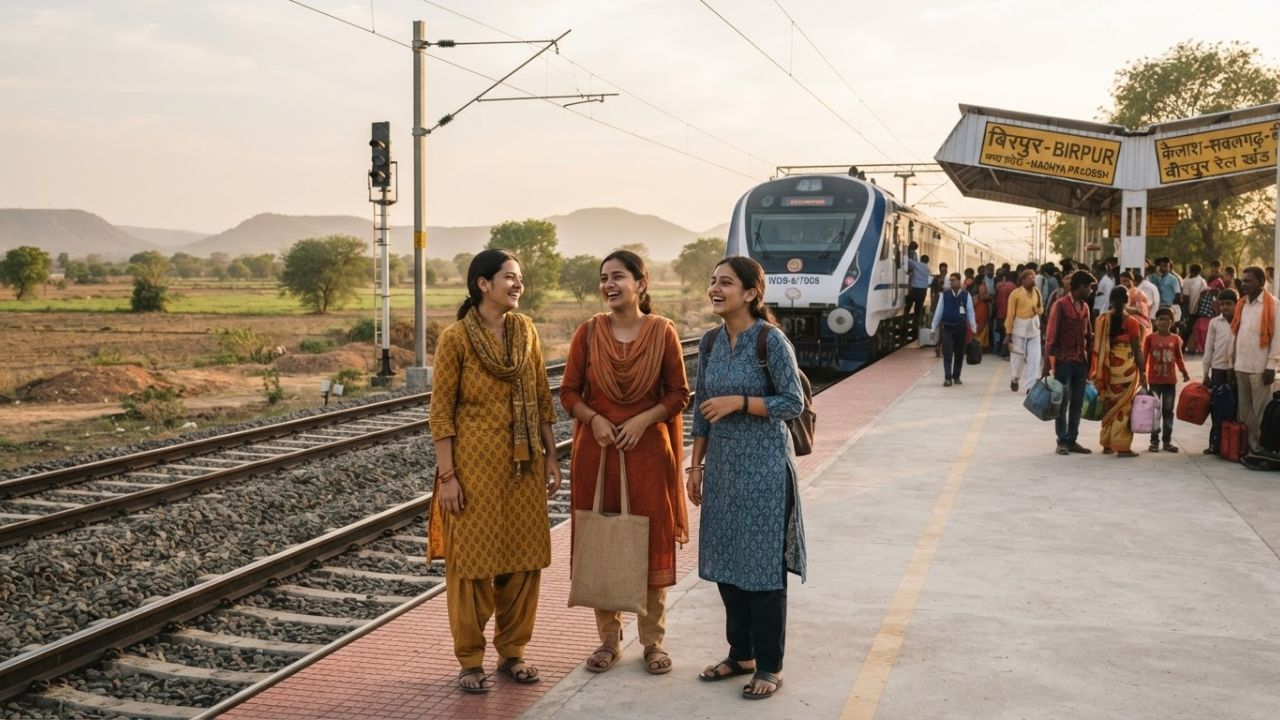
Image generated by AI
Madhya Pradesh has opened a new rail gateway in the Gwalior-Chambal region with the launch of the Kailaras-Sabalgarh-Birpur railway section in H2 2026. The 56-kilometer upgraded line improves regional transit across the Morena and Sheopur districts, connecting rural communities with main economic and healthcare centers.
The transport sector in central India is observing a significant realignment, with upgraded rail infrastructure improving access to rural zones and heritage destinations. The newly launched Kailaras-Sabalgarh-Birpur railway section provides a direct rail link to the Gwalior-Chambal area, offering a reliable alternative to road transit. Spanning a total of 56 kilometers, this upgraded route makes it easier for residents in the Morena and Sheopur districts to access education, medical facilities, and commercial markets. The extension forms a key phase of the broader Gwalior-Sheopur Kalan railway corridor, designed to link isolated towns with main regional hubs. By facilitating passenger and freight movements, the line supports regional trade, helps local businesses operate more efficiently, and stimulates local economic development.
For the traveler, the real impact of the new rail connection is the opportunity to explore under-the-radar historical and wildlife sanctuaries in the Chambal valley. By using the train, visitors can access rural heritage areas comfortably while reducing transit costs and environmental impact, bypassing the need for long, bumpy road journeys.
Reddit: "This new broad-gauge line makes it so much easier to travel between Gwalior and the smaller towns. The narrow-gauge train was historic but took way too long for regular commuting." — r/madhyapradesh
The Historical Legacy of the Gwalior Light Railway
The Gwalior-Sheopur railway corridor holds a unique place in India's transport history, originating as the Gwalior Light Railway. Built by the Scindia Dynasty of Gwalior in the early 20th century under Maharaja Madho Rao Scindia, the 2-foot narrow-gauge railway originally served to transport royal guests, carry forest products, and provide a travel link for local residents. The narrow-gauge trains were incredibly slow, taking nearly ten hours to cover the 188-kilometer distance between Gwalior and Sheopur Kalan, but they served as a vital lifeline for rural communities who had no other access to main urban centers.
The modern broad-gauge conversion project marks the transition of this historic system into a modern, high-capacity transit corridor. Replacing the narrow-gauge tracks with standard broad-gauge (converting the track from 2-foot to 5-foot-6-inch standard Indian Railways gauge) has required rebuilding old masonry bridges, strengthening embankments, and installing computerized signaling stations. This technological upgrade allows Indian Railways to run standard passenger and express trains on the route, replacing the slow, outdated passenger services and bringing modern efficiency to the Gwalior-Chambal region.
Gwalior-Sheopur Kalan Railway Corridor Expansion
The expansion of the regional railway corridor has been executed in structured, phased milestones to gradually extend rail access across the northern districts of Madhya Pradesh:
- Birlanagar-Rayaru Section: The initial phase involved opening the 11-kilometre Birlanagar-Rayaru rail link in May 2023, establishing the Gwalior starting point.
- Rayaru-Sumaoli Section: The second milestone completed the 22-kilometre Rayaru-Sumaoli section in August 2023, extending access into the Morena district.
- Sumaoli-Joura Link: The 14-kilometre Sumaoli-Joura stretch became operational in November 2023, connecting rural agricultural villages.
- Joura-Kailaras Section: The corridor grew with the opening of the 14-kilometre Joura-Kailaras section in February 2024.
- Kailaras-Sabalgarh Link: The 29-kilometre Kailaras-Sabalgarh section opened to traffic in 2025.
- Sabalgarh-Birpur Extension: The latest 27-kilometre Sabalgarh-Birpur link opened in 2026, completing the Birlanagar-Birpur gauge conversion program.
The conversion of these tracks has also enabled the movement of heavier freight trains carrying regional agricultural produce, cement, and manufacturing materials. Local authorities estimate that broad-gauge connectivity will reduce freight transit times between Gwalior and Birpur by up to 50 percent, lowering logistics costs for regional businesses. As the remaining links to Sheopur Kalan are completed, the corridor will fully integrate the remote northern districts of the state with the national rail grid. The remaining track sections connecting Birpur with Seroni Road and Seroni Road with Sheopur Kalan are close to completion. Once operational, they will complete the direct line to Gwalior.
A planned future track extension toward Kota in Rajasthan will link the Gwalior-Chambal region with larger national economic hubs, supporting inter-state trade and student mobility.
Kailaras-Sabalgarh-Birpur Phased Rail Expansion
The rail network development has followed a strict timeline to ensure steady integration of remote towns with Gwalior's major economic corridors:
| Railway Section | Length | Operational Date / Year | Regional Connectivity |
|---|---|---|---|
| Birlanagar - Rayaru | 11-kilometre | May 2023 | Initial Gwalior link |
| Rayaru - Sumaoli | 22-kilometre | August 2023 | Morena district expansion |
| Sumaoli - Joura | 14-kilometre | November 2023 | Rural connectivity link |
| Joura - Kailaras | 14-kilometre | February 2024 | Mid-corridor extension |
| Kailaras - Sabalgarh | 29-kilometre | 2025 | Deep Chambal link |
| Sabalgarh - Birpur | 27-kilometre | 2026 | New rail gateway |
| Birpur - Seroni Road - Sheopur Kalan | Remaining | Close to completion | Full Gwalior-Sheopur corridor |
Railway Modernization Across Madhya Pradesh
The Gwalior-Chambal project fits within a larger state-wide program focused on upgrading Madhya Pradesh's transport infrastructure. This program is aimed at modernizing regional passenger facilities and cargo logistics across the state, ensuring that regional growth keeps pace with national developments. Approximately 80 railway stations in Madhya Pradesh are undergoing extensive redevelopment under the national Amrit Bharat Station Scheme. These upgrades provide passengers with improved waiting halls, modern seating, executive lounges, disabled-friendly access, and real-time digital passenger information displays.
Additionally, the state-wide rail expansion is accompanied by an ambitious railway electrification program. Electrifying regional tracks supports cleaner electric train operations, reducing carbon emissions and minimizing reliance on traditional fuel-based locomotives. By adding multiple tracks (doubling) and modern signaling systems, the railway network can support increased traffic, reduce travel delays, and support the state's long-term economic development goals.
Ecotourism and Community Support in Chambal
Sustaining the delicate environments of the Chambal River valley and supporting local communities requires travelers to practice low-impact travel habits and support regional economies. For the traveler, the real impact of the new rail link is the opportunity to practice slow travel. By choosing the newly electrified passenger train instead of renting private diesel vehicles, visitors help reduce carbon emissions in the ecologically sensitive Chambal basin.
The agricultural economy of Morena and Sheopur relies heavily on mustard, wheat, and oilseeds. By providing direct passenger and freight connections, the railway enables local farmers to transport their harvests to wholesale markets in Gwalior, reducing shipping delays and food spoilage. This supports the rural agricultural sector, which remains the primary livelihood for local households.
Travelers can support local economies by buying authentic sweets, like Morena's famous sesame Gajak, from family-run street stalls and hiring local village guides in Sheopur. This spending ensures that tourism revenues remain within local households, supporting rural families directly. Modestly covering shoulders and knees when visiting ancient temple ruins and removing shoes at entrance platforms shows respect for local traditions. Carrying reusable water bottles and avoiding littering around fragile archaeological ruins prevents plastic waste contamination in rural biomes.
Destination Specialist Local Insider Tips
To help you explore the Gwalior-Chambal region safely and comfortably, travel specialists suggest the following tips:
- Explore Bateshwar and Kuno Wildlife: Combine your rail trip with visits to under-the-radar spots like the 8th-century Bateshwar Temples in Morena and the cheetah reserve at Kuno National Park in Sheopur. The Bateshwar complex consists of nearly 200 sandstone temples built by the Gurjara-Pratihara dynasty between the 8th and 10th centuries, showing exceptional temple architecture. Project Cheetah in Kuno National Park makes Sheopur a top destination for wildlife enthusiasts, and the new rail connection makes it much easier to reach Kuno from Gwalior or New Delhi.
- Savor Morena Gajak and Bedai: Try Morena's sweet sesame Gajak during the winter months, or start your day with hot Bedai (spicy potato curry served with deep-fried lentil bread) in Gwalior's traditional bazaars.
- Visit Between October and March: Plan your trip during the cool winter season when temperatures range between 10°C and 25°C, avoiding the intense summer heat.
- Dress Modestly at Heritage Sites: Show respect at ancient temple ruins by wearing clothing that covers shoulders and knees, and removing shoes before entering temple precincts.
- Pre-Confirm Local Transport at Stations: Coordinate connecting auto-rickshaws or local taxis in advance when arriving at smaller stations like Kailaras or Sabalgarh, as on-demand options can be limited.
Frequently Asked Questions
What is the Gwalior-Sheopur Kalan railway project? It is a gauge conversion project replacing the historic narrow-gauge track with broad-gauge tracks to connect remote areas with the national rail grid.
Which districts benefit from the Birpur extension? The rail extension mainly improves daily transit for communities in the Morena and Sheopur districts of Madhya Pradesh.
Are there tourist attractions along the railway line? Yes, travelers can explore historic sites like the Bateshwar Temples in Morena and the wildlife reserve at Kuno National Park in Sheopur.
Why is electrification important for the route? Electrification supports cleaner train operations, reducing carbon emissions and dependence on traditional fuel-based locomotives in sensitive biomes.
Observe heritage in action and support regional communities on your next slow travel adventure.
Related Travel Guides
US Issues Level 2 Security Travel Advisories for Bolivia and Ecuador
Pensacola Living Museum Event Anchors 2026 Foo Foo Festival
Border Tourism Sparks Economic Growth in Kashmir Frontier Villages
Disclaimer
This article is for informational and educational purposes only. It does not constitute legal, financial, or professional advice. While we strive to provide accurate and up-to-date information, travel policies, regulations, and conditions change rapidly. Always verify information with official sources before making travel decisions. Nomad Lawyer makes no representations about the accuracy, reliability, completeness, or suitability of the information provided. Readers should consult qualified professionals for advice specific to their circumstances. The views expressed in this article are those of the author and do not necessarily reflect the views of Nomad Lawyer.
Preeti Gunjan
Contributor & Community Manager
A passionate traveller and community builder. Preeti helps grow the Nomad Lawyer community, fostering engagement and bringing the reader experience to life.
Learn more about our team →