
Japan's Overcrowding Push Leads to Higher Tourism Fees and Rules
Kyoto, Mount Fuji, and Himeji Castle raise entry and accommodation fees to balance resident needs with record visitor arrivals in the travel sector in 2026.

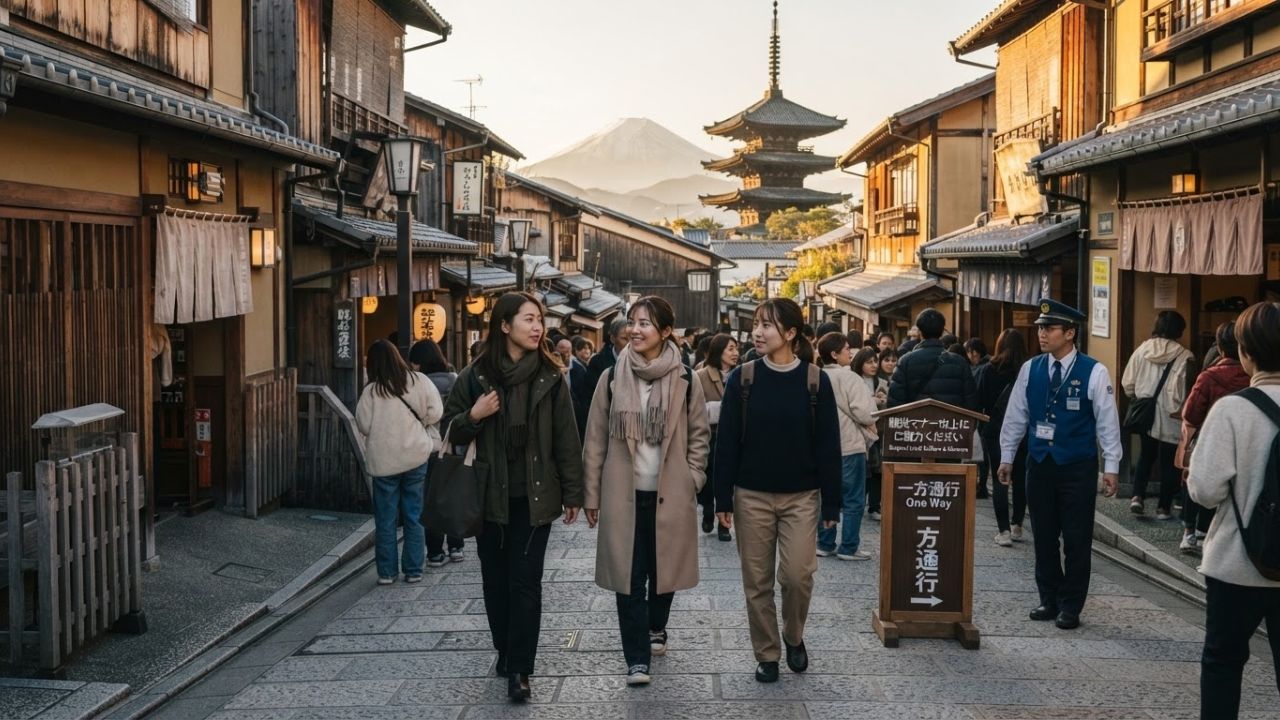
Image generated by AI
Following a record-breaking 42.7 million international arrivals in 2025, Japan is raising entry fees, accommodation taxes, and climbing limits at its most iconic sites to protect local heritage.
The Shift to a Managed Visitor Economy in Japan
Japan's public transport systems, heritage sites, and major cities are experiencing significant pressure from rapid visitor growth. To address overcrowding, local authorities are transitioning from purely promoting travel volume to building a sustainable, managed visitor economy. Popular destinations are introducing new accommodation taxes, climbing fees, and dual-pricing structures to ensure that local infrastructure is maintained and resident lifestyles are protected. In 2025, Japan welcomed a record 42.7 million overseas visitors, according to official tourism reports. As the country moves toward its long-term target of attracting 60 million international arrivals annually by 2030, local governments are shifting the financial responsibility of heritage preservation onto the travelers who use public resources.
For the traveler, the real impact of these updates is the necessity of early preparation and larger holiday budgets. By understanding the new local taxes and booking slot allocations in advance, tourists can enjoy Japan's cultural assets while directly supporting local community services.
Managed Access and Pricing Systems Across Japan
| Destination | Policy Change | Fee Update | Primary Purpose |
|---|---|---|---|
| Kyoto | Tiered Accommodation Tax | Up to ¥10,000 (around $63) per night for rooms over ¥100,000 | Support city infrastructure and manage transit demand |
| Mount Fuji | Access Control & Climbing Fee | ¥4,000 (around $25) climbing fee across all 4 main routes | Limit overnight "bullet climbing" and environmental damage |
| Himeji Castle | Dual-Pricing System | ¥2,500 (around $16) general adult; ¥1,000 (around $6) for city residents | Fund monument maintenance and benefit local residents |
Kyoto Restructures Accommodation Taxes and Public Transit
Kyoto has become a major example of how mass tourism can impact daily community life:
- Infrastructure Pressures: During peak seasons, local city buses and traditional neighborhoods face severe congestion, making it difficult for residents to use public transit.
- Tiered Hotel Taxes: The revised accommodation tax links the levy directly to the room price. Visitors staying in budget hotels pay a minor fee, while those in premium rooms face higher rates.
- High-End Surcharge: Travelers staying in luxury rooms priced at ¥100,000 (around $628) or more per person per night must pay a daily tax of ¥10,000 (around $63).
- Public Transit Adjustments: To prioritize local needs, Kyoto is considering offering discounted bus fares for residents while maintaining standard pricing for international visitors.
These measures ensure that visitor spending directly funds the public services impacted by tourism growth.
Mount Fuji Tightens Climbing Safety Controls
Mount Fuji is managing visitor safety and ecological protection through structured route controls:
- Mandatory Climbing Fee: From the 2026 climbing season, visitors accessing any of the four main trails must pay a ¥4,000 (around $25) climbing fee.
- Daily Capacity Limits: The popular Yoshida Trail on the Yamanashi side restricts access to 4,000 climbers per day, excluding hikers with mountain hut reservations.
- Safety Pre-Registration: Hikers using the Shizuoka-side trails must complete safety pre-registration and receive official approval before beginning their climb.
- Restricting Bullet Climbing: To reduce accidents and facilities strain, hikers without cabin reservations are barred from entering the trails during night hours, stopping hikers from ascending without rest.
These rules combine financial contributions with capacity controls to manage safety on Japan's highest peak.
Himeji Castle Implements City Resident Rates
Himeji Castle, a UNESCO World Heritage Site, is testing a dual-pricing model to fund maintenance work:
- Admission Price Adjustments: From 2026, general adult admission increased to ¥2,500 (around $16). Local residents of Himeji pay a reduced rate of ¥1,000 (around $6).
- Non-Resident Standard Rates: Domestic travelers arriving from other Japanese cities pay the same standard ¥2,500 fee as international tourists.
- Revenue Performance: During the first month of the new pricing structure, castle attendance dropped by approximately 17%, but ticket revenue more than doubled.
Himeji City authorities announced that the additional ticket revenue will be allocated directly toward the structural reinforcement of the castle's wooden keep and the preservation of its defensive moats. The dual-pricing model has sparked discussions across other Japanese historical cities, with Matsumoto and Inuyama considering similar resident discounts for their castles. These price changes reflect the growing need for municipal governments to find sustainable local funding sources for cultural asset preservation. As international traveler demand continues to center around key landmarks, local taxpayers are being relieved of the sole financial burden of heritage maintenance.
Ecotourism and Community Support in Japan
For the traveler, the real impact of managed tourism is the opportunity to practice slow travel. By choosing Japan's high-speed Shinkansen and local rail networks instead of renting private cars, visitors reduce transit carbon emissions.
Travelers can support local economies by staying in traditional Machiya (wooden townhouses) restored by cultural trusts, dining at family-run noodle shops, and purchasing regional crafts like Kyoto Kiyomizu-yaki ceramics and Himeji leather goods directly from local artisans. This spending ensures that tourism revenue remains within the community, supporting independent workshops. Additionally, respecting local geisha etiquette by not photographing Maikos without permission in Kyoto, carrying out all trash from Mount Fuji, and using reusable water bottles helps protect fragile biomes from waste and disruption.
Destination Specialist Local Insider Tips
To help you explore Japan's iconic sights safely and comfortably, regional specialists suggest the following tips:
- Explore During the Autumn Shoulder Season: Visit in late autumn (November to early December) to enjoy fall foliage and cooler temperatures, avoiding spring cherry blossom crowds.
- Respect Kyoto's Maiko Etiquette: Show respect for local geisha culture by never touching or taking unauthorized photographs of Maikos on Kyoto's historic streets.
- Savor Himeji Oden and Houtou Noodles: Experience local gastronomy. Try traditional ginger-soy Himeji Oden near the castle, or comforting Houtou Noodles (flat wheat noodles stewed with vegetables in miso broth) in the Fuji region.
- Pre-Book Mount Fuji Climbing Slots: Avoid being turned away by booking your Yoshida Trail climbing permit and mountain hut reservations weeks in advance.
- Visit Hidden Alternatives: Instead of climbing Mount Fuji during the congested summer, explore the scenic hiking trails of Mount Oyama in neighboring Kanagawa Prefecture, which offers ancient shrines and panoramic views of Sagami Bay with minimal crowds.
Long-Term Outlook for Sustainable Japan Travel
The long-term outlook for Japan's tourism sector, international travel policy coordination, and sustainable destination planning remains positive, supported by the growth of regional transit networks, conservation fees, and digital reservation systems. By prioritizing destination stewardship and visitor quality over raw volume, Japan is establishing a more resilient tourism model.
As visitor arrivals continue to grow toward the 2030 target of 60 million, the collaboration between the Japan National Tourism Organization (JNTO), municipal planning boards, and conservation authorities will remain essential. This balanced approach protects delicate natural biomes, supports local businesses, and ensures that the country's historic landmarks remain clean, safe, and welcoming for future generations of global travelers.
Related Travel Guides
Disclaimer
This article is for informational and educational purposes only. It does not constitute legal, financial, or professional advice. While we strive to provide accurate and up-to-date information, travel policies, regulations, and conditions change rapidly. Always verify information with official sources before making travel decisions. Nomad Lawyer makes no representations about the accuracy, reliability, completeness, or suitability of the information provided. Readers should consult qualified professionals for advice specific to their circumstances. The views expressed in this article are those of the author and do not necessarily reflect the views of Nomad Lawyer.
Preeti Gunjan
Contributor & Community Manager
A passionate traveller and community builder. Preeti helps grow the Nomad Lawyer community, fostering engagement and bringing the reader experience to life.
Learn more about our team →