
Pensacola Living Museum Event Anchors 2026 Foo Foo Festival
Fiesta Pensacola launches the Living Museum 2026 event at the Pensacola Museum of History on November 5, offering immersive historical reenactments in Florida.

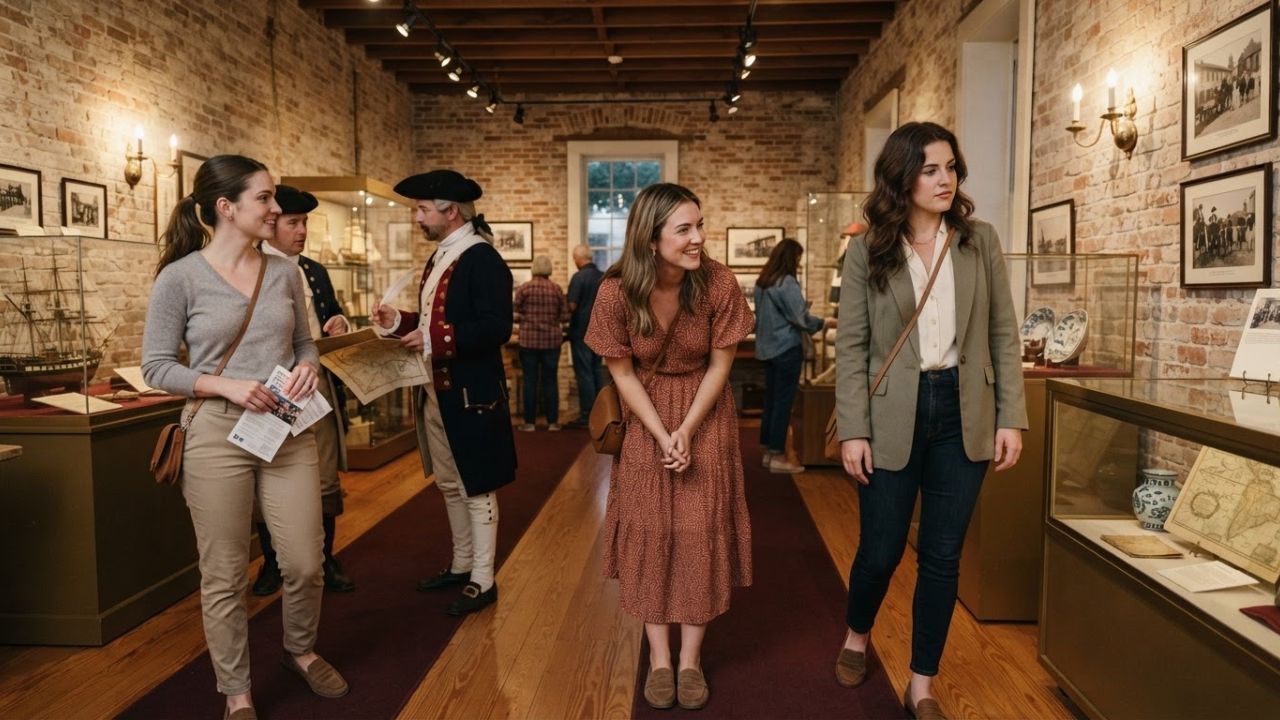
Image generated by AI
Fiesta Pensacola is launching the Living Museum 2026 event on November 5, 2026, as a signature program of Florida's annual Foo Foo Festival. Hosted at the Pensacola Museum of History, this multi-sensory exhibition will bring local heritage to life through first-person costumed reenactments.
The cultural tourism market in West Florida is observing a significant realignment, with heritage organizations shifting from traditional static displays toward immersive historical education. As part of the annual Foo Foo Festival in Pensacola, Fiesta Pensacola is organizing the Living Museum 2026 event. The Pensacola Museum of History will transform its galleries into interactive spaces where costumed interpreters represent the diverse nations that shaped the region's development. Standard tickets for adults are priced at $8 per person, while children aged between 5 and 12 years old can enter for $5. Standard ticket sales officially open in August 2026. By turning historical events into public entertainment, this initiative aims to attract cultural travelers seeking educational experiences in downtown destinations.
For the traveler, the real impact of the Living Museum is the opportunity to engage directly with historical characters rather than reading description panels. By walking through the museum's galleries, visitors gain a clearer understanding of how colonial expansion shaped modern Florida.
Reddit: "Foo Foo Fest is one of the best times to visit Pensacola. The downtown area has so many art installations, and the museum events really bring the city's Spanish and British history to life." — r/pensacola
The Foo Foo Festival and Experiential Learning Models
The Foo Foo Festival is a multi-day cultural celebration that takes place every November in Pensacola, Florida, serving as a primary driver of fall tourism in the region. The festival is unique because it features art installations, theatrical performances, musical events, and historical exhibitions funded in part by municipal grants distributed to local non-profit organizations. This funding structure allows regional artists and historians to collaborate, producing high-quality public programs that showcase the city's unique history and creative scene. The Living Museum 2026 event, organized by Fiesta Pensacola, is a major recipient of this community support, serving as a model for how public entertainment can support educational outreach while boosting downtown hotels and businesses.
The festival runs for 12 days and draws over 30,000 visitors to the Pensacola area, providing a substantial economic boost to the local hospitality sector. The grants are funded by the local tourism tax, which is collected from overnight hotel stays, creating a circular economy where tourist dollars directly fund local cultural and artistic programs. The Pensacola Museum of History provides the ideal setting for this immersive experience. Located at 300 S Jefferson Street in downtown Pensacola, the museum is housed in the historic Mediterranean Revival-style former City Hall building, constructed in 1907. This architectural landmark features wide corridors, high arched windows, and brick facades that evoke the early 20th century. By transforming this historic space into a living stage, the organizers allow visitors to experience history through direct interaction rather than passive observation. The project marks a shift toward experiential learning, which has proven highly effective at engaging modern audiences, encouraging historical curiosity, and making local history accessible to travelers of all ages.
By integrating hands-on activities, outdoor plazas featuring live music and local dining, and social events, cultural institutions can lower traditional barriers to historical education, allowing visitors to engage with the past in a comfortable and social environment. Costumed actors use historic artifacts on display at the museum—such as Spanish pottery shards, British coins, early American military uniforms, and Native American trade beads—to tell stories, providing visitors with a tangible connection to the past.
The second floor of the museum features the 'One Half of West Florida' exhibit, which explores the region's historical developments from pre-history to the modern era. During the Living Museum event, visitors can also access the museum's specialty galleries, such as the children's interactive play area and temporary art installations, which provide a broader context for understanding regional storytelling. The museum also coordinates with the West Florida Historic Preservation Association to host public lectures and educational workshops before and after the event.
Tristan de Luna and the Five Flags of Pensacola
The historical narrative presented at the Living Museum begins with the arrival of Spanish explorer Tristan de Luna in August 1559. De Luna led an expedition of 11 ships carrying over 1,500 soldiers, priests, and colonists from Veracruz, Mexico, to Pensacola Bay, establishing one of the earliest European settlements in the United States. Just weeks after landing, a hurricane struck the bay, destroying most of the ships and supplies, forcing the survivors to eventually abandon the site. Despite its short duration, this historic event remains a cornerstone of the region's cultural identity, pre-dating the settlements of Jamestown and St. Augustine.
The discovery of the de Luna shipwrecks (Emanuel Point I, II, and III) by archaeologists from the University of West Florida has enriched our understanding of this early Spanish colonization. The artifacts recovered from these underwater excavations are housed at the museum and integrated into the Living Museum exhibits, providing visitors with a tangible connection to the past.
Archaeological excavations of the Emanuel Point shipwreck sites have recovered a wealth of material culture, including fragments of olive jars, copper ship fasteners, animal bones, and botanical remains. These items have helped researchers reconstruct the diet, shipboard life, and material culture of the 16th-century Spanish explorers. The UWF archaeology team regularly presents their findings at the museum, giving visitors a rare look at the scientific research that supports the historical reenactments. This integration of archaeology and theater is a hallmark of Pensacola's approach to public history.
Pensacola is famously known as the "City of Five Flags" because it has been ruled by five distinct governments throughout its history: Spain, France, Great Britain, the Confederate States of America, and the United States. During the Living Museum event, costumed interpreters represent these different colonial periods, wearing authentic attire and speaking in first-person narratives. Visitors will meet Spanish soldiers, British-era merchants, French settlers, and early American pioneers, learning about their daily struggles, political rivalries, and the social structures of each era. The interpreters undergo rigorous historical training, drawing from archival documents stored at the University of West Florida to ensure the highest degree of accuracy in costuming and dialogues. The historic Seville Quarter features street grids established by the British in the 18th century, while the plaza system reflects Spanish urban planning, illustrating how each government left an architectural and cultural imprint on the city.
In addition to colonial-era characters, the Living Museum highlights the history of the native peoples of the area, including the Pensacola tribe, and how their interactions with Spanish and French settlers shaped the town's initial economy. The timeline also highlights the War of 1812 and the Battle of Pensacola, illustrating how the city transitioned through various flags. By telling these stories from the perspective of soldiers, traders, and everyday families, the museum offers a nuanced look at the city's complex social history. This focus on local narratives helps connect the regional identity with broader national milestones, enriching the visitor experience.
Living Museum 2026 Event Logistics
To help visitors plan their trip to the Living Museum, the organizers have established the following schedule and admission rates:
| Event Parameter | Details | Pricing / Eligibility |
|---|---|---|
| Venue Location | Pensacola Museum of History, 330 S Jefferson Street, Pensacola, FL | Accessible via downtown walking routes |
| Event Date | November 5, 2026 | Part of the annual Foo Foo Festival |
| Operational Hours | 5:30 PM to 8:00 PM | Evening access |
| Ticket Release | Available from August 2026 | Early booking recommended |
| Adult Ticket Price | $8 per person | Standard admission |
| Child Ticket Price | $5 per ticket | Children aged 5 to 12 years old |
| Infant Entry Policy | Free | Children under the age of 5 |
Ecotourism and Community Support in Pensacola
Sustaining the historic districts of Pensacola and protecting the surrounding Gulf environment requires travelers to adopt low-impact travel habits and support regional economies. For the traveler, the real impact of heritage tourism is the opportunity to practice slow travel. By choosing to walk to the museum from downtown hotels or utilizing regional public transit shuttles, visitors help reduce traffic congestion and localized carbon emissions.
Travelers can support the local economy by dining at independent family-run seafood restaurants along Palafox Street and shopping at the weekly Palafox Market for local produce and crafts. Choosing ticketed events organized by non-profit groups like Fiesta Pensacola ensures that travel spending is reinvested directly into regional research and the preservation of historic properties.
Additionally, travelers can support preservation efforts by visiting nearby historical sites, such as the Historic Pensacola Village, where additional ticket proceeds fund the ongoing maintenance of 19th-century wooden homes and historic churches. Engaging with local heritage guides during walking tours of the Seville Quarter ensures that tourism spending directly funds cultural resource management. This community support helps protect Pensacola's architectural history from development pressures. Respecting the delicate coastal environment of Pensacola Bay by packing out all waste and carrying reusable water containers prevents plastic pollution in marine biomes. Adhering to historic preservation rules—such as not touching fragile museum structures—ensures these historic spaces remain open for future travelers.
In addition to walking and dining locally, travelers can support Pensacola's ecological preservation by participating in beach clean-ups at Pensacola Beach or visiting the Gulf Islands National Seashore. The national park features historic brick fortresses, such as Fort Pickens, which played a key role in the American Civil War and colonial defense networks. By learning about the coastal ecosystems and the historic preservation challenges, visitors gain a deeper appreciation for the region's natural and built heritage.
Destination Specialist Local Insider Tips
To help you explore Pensacola's historic center safely and comfortably, travel specialists suggest the following tips:
- Purchase Tickets Early in August: Due to high demand for Foo Foo Festival events, secure your tickets online as soon as they release in August 2026.
- Savor Gulf Shrimp and Bushwackers: Experience West Florida's culinary specialties. Try fresh Grits and Gulf Shrimp downtown at local establishments like the Fish House, or a chocolatey Bushwacker cocktail at Pensacola Beach's Sandshaker, which claims to have invented the drink back in the 1970s. These local culinary traditions are deeply integrated into the coastal lifestyle and offer tourists an authentic taste of West Florida hospitality.
- Explore Seville Quarter on Foot: Discover under-the-radar historic spots like the quiet Seville Quarter brick streets and the Palafox Market before the evening museum doors open.
- Respect Historical Reenactment Rules: Engage politely with costumed actors and respect museum rules by not touching historic brick walls or using flash photography.
- Visit During Weeknight Slots: Plan your visit during off-peak weekdays of the festival to enjoy quieter galleries and easier parking.
Frequently Asked Questions
What is the Foo Foo Festival? The Foo Foo Festival is an annual multi-day cultural event in Pensacola, Florida, featuring art installations, musical performances, and historic exhibitions.
Where is the Living Museum 2026 event held? The event is hosted at the Pensacola Museum of History, located at 330 S Jefferson Street in downtown Pensacola.
How much are tickets for the Living Museum? Adult tickets are priced at $8, children aged 5 to 12 are $5, and children under the age of 5 enjoy free admission.
Who organizes the Living Museum event? The Living Museum is organized by Fiesta Pensacola, a local community organization dedicated to preserving the city's rich history.
Observe heritage in action and support regional communities on your next travel adventure.
Related Travel Guides
Gwalior-Chambal Region Linked to New Birpur Railway Extension
Disclaimer
This article is for informational and educational purposes only. It does not constitute legal, financial, or professional advice. While we strive to provide accurate and up-to-date information, travel policies, regulations, and conditions change rapidly. Always verify information with official sources before making travel decisions. Nomad Lawyer makes no representations about the accuracy, reliability, completeness, or suitability of the information provided. Readers should consult qualified professionals for advice specific to their circumstances. The views expressed in this article are those of the author and do not necessarily reflect the views of Nomad Lawyer.
Preeti Gunjan
Contributor & Community Manager
A passionate traveller and community builder. Preeti helps grow the Nomad Lawyer community, fostering engagement and bringing the reader experience to life.
Learn more about our team →