
Cruise Great Lakes: 2026 Boom Signals Record Tourism Growth
Great Lakes cruise tourism forecasts explosive 2026 growth as passenger numbers, port investments, and regional spending surge. Travelers planning summer voyages face strong demand and early booking windows.

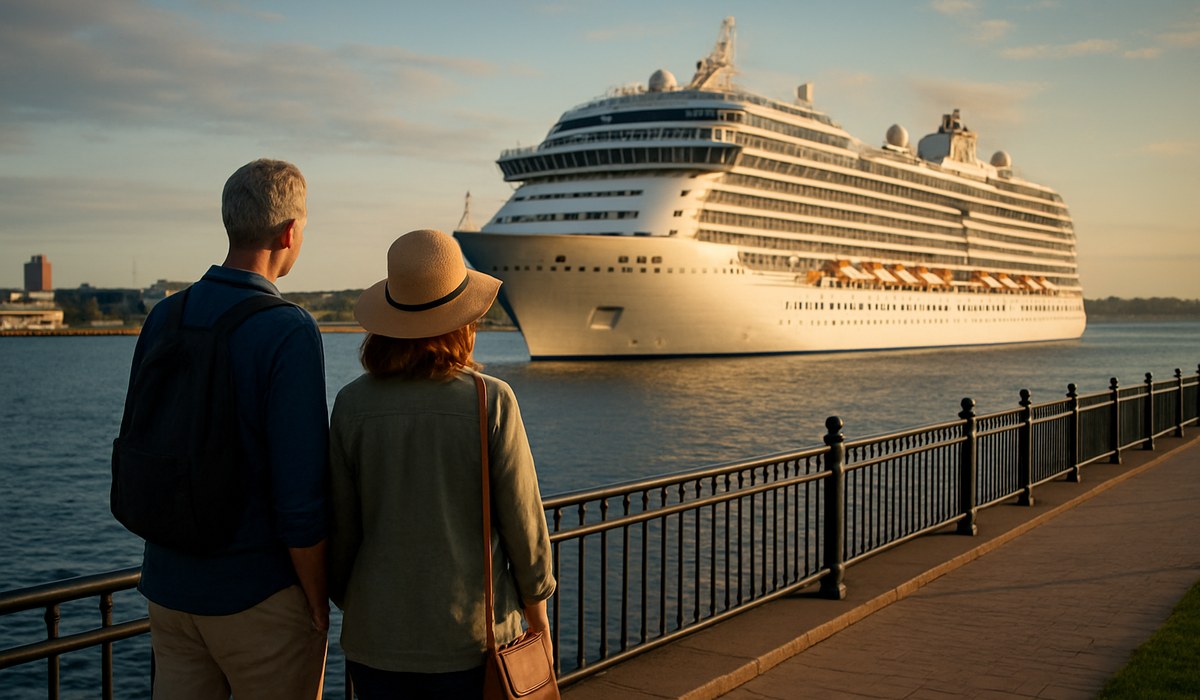
Image generated by AI
Regional Cruise Revival: Great Lakes Momentum Builds
American Cruise Lines and competing operators are positioning themselves for unprecedented demand across the Great Lakes region in 2026. The cruise industry's focus on inland waterway destinations is translating into record passenger projections and substantial port infrastructure investments. Travel analysts project triple-digit growth in bookings compared to 2025, driven by post-pandemic consumer appetite for domestic travel experiences and growing interest in regional tourism throughout the five-state Great Lakes corridor.
Market forecasts indicate spending will exceed previous seasons by significant margins. Industry stakeholders report that regional ports are expanding berth capacity and shore-side amenities to accommodate the influx. This expansion signals confidence in sustained, long-term growth for cruise great lakes operators and regional economies dependent on seasonal tourism dollars.
Cruise Itinerary at a Glance
| Port City | State | Regional Hub | Typical Docking Days | Seasonal Peak |
|---|---|---|---|---|
| Chicago | Illinois | Primary embarkation point | 2–3 days | June–August |
| Milwaukee | Wisconsin | Historic maritime hub | 1–2 days | July–September |
| Mackinac Island | Michigan | Premium destination | 2–3 days | July–August |
| Cleveland | Ohio | Urban cultural access | 1–2 days | August–September |
| Detroit | Michigan | Automotive heritage tours | 1 day | June–July |
| Duluth | Minnesota | Gateway to Lake Superior | 1–2 days | August–September |
Passenger Volume Surge Reshapes Great Lakes Travel
Cruise great lakes operators report reservation demand outpacing 2025 by 40 to 50 percent through early spring bookings. This acceleration reflects broader travel industry trends favoring domestic cruising over international routes. Regional destinations like Mackinac Island and Duluth have become flagship stops for cruise itineraries, attracting first-time cruisers and repeat visitors seeking cultural immersion without passport requirements.
Port authorities throughout the region are responding with expanded services. Chicago's Navy Pier and Milwaukee's lakefront terminals have allocated additional resources for passenger processing and amenity development. The surge creates competitive pressure among cruise operators to offer differentiated onboard experiences and port excursions. Cruise Critic reviews consistently highlight the value proposition of Great Lakes cruising—shorter sailing times, reduced jet lag, and intimate port towns with established tourism infrastructure.
Port Infrastructure Investment Fuels Tourism Growth
Investment in regional ports and waterfront development demonstrates stakeholder confidence in cruise great lakes expansion. Municipalities are allocating tourism dollars toward terminal upgrades, pedestrian access improvements, and cultural attraction enhancements. These improvements directly benefit cruise passengers by offering expanded shore excursions and reduced port congestion.
Cleveland's waterfront development and Detroit's automotive heritage attractions are emerging as competitive advantages for operators designing itineraries. Port operators are prioritizing sustainability measures—shore power infrastructure and waste management systems—to align with cruise industry environmental standards. The American Cruise Lines website (americancruiselines.com) showcases how vessel technology and port partnerships create seamless travel experiences. Investment trajectory suggests regional ports will continue competing for premium cruise operator partnerships through 2026 and beyond.
Onboard Experience and Cabin Options Drive Bookings
Modern cruise vessels deployed on Great Lakes routes prioritize intimate ship design, averaging 150 to 400 passengers compared to ocean-going megaships. This scale allows operators to access smaller ports and offer personalized service. Cabin configurations emphasize suite-style accommodations with veranda access, appealing to affluent travelers seeking luxury domestic travel options.
Onboard amenities typically include specialty dining venues, enrichment programming focused on regional history, and curated shore excursion partnerships. Many vessels feature all-inclusive pricing models that reduce hidden costs—a critical factor driving repeat bookings. Travel agencies report that cabin availability for peak summer sailings (July–August) is selling at 70 to 80 percent capacity well before departure dates. Early booking windows now extend from 8 to 12 months before sailing, reflecting strong advance demand.
Pricing Dynamics and Early-Bird Booking Strategies
Per-person cruise fares for Great Lakes itineraries range from $2,500 to $6,500 for seven-night sailings, depending on cabin category and season. Peak summer departures command premium pricing; shoulder seasons (June and September) offer 15 to 25 percent discounts for budget-conscious travelers. Travel agents report that passengers booking before May 31, 2026, secure better cabin selection and early-bird pricing advantages.
Operators are implementing dynamic pricing models responsive to demand fluctuations. Group bookings and repeat-customer loyalty programs provide incremental savings of 10 to 15 percent. Tourism publications note that cruise great lakes pricing remains competitive with comparable ocean-based itineraries while eliminating costly airfare and ground transportation. Travelers should monitor operator websites for seasonal promotions; March through April 2026 represents the final window for optimal summer sailing availability.
Embarkation Logistics and Pre-Cruise Planning
Chicago serves as the primary embarkation hub for Great Lakes cruising, with secondary departure points in Milwaukee and Cleveland. Port arrival procedures require passengers to check in 2 to 3 hours before departure. Most operators recommend ground transportation via rental car, ride-share services, or coach transfers to waterfront terminals located within 5 to 10 miles of downtown areas.
Parking facilities at major ports operate on tiered fee structures ($12–$18 daily) or flat-rate models ($60–$100 for full cruise duration). Passengers without vehicles can arrange airport transfers through cruise operator partnerships or independent transportation services. Pet-friendly cabins remain unavailable on most cruises; travelers should confirm animal policies before booking. Port-specific documentation requirements are minimal for domestic Great Lakes cruising, though enhanced driver's licenses or passports satisfy travel identification mandates.
What This Means for Travelers
The 2026 cruise great lakes growth trajectory presents both opportunities and planning imperatives for prospective travelers:
-
Book immediately for summer sailings. Peak-season capacity (July–August) reaches 80+ percent occupancy. Delays beyond April increase risk of availability loss and cabin selection limitations.
-
Leverage shoulder-season discounts. June and September sailings offer 15–25 percent savings with comparable onboard experiences and fewer port crowding issues.
-
Prioritize loyalty program enrollment. Repeat cruisers and early bookers receive 10–15 percent pricing advantages for 2026 and future sailings.
-
Plan shore excursions in advance. Popular attractions in Mackinac Island and Duluth sell out quickly. Pre-booking through cruise operator partners guarantees participation and manages expedition costs.
-
Confirm embarkation port logistics. Chicago remains the primary hub; allow additional travel time for airport ground transportation and port check-in procedures.
-
Monitor operator websites directly. Third-party booking platforms sometimes lag promotional updates. Official cruise line websites offer real-time availability and exclusive booking incentives.
Frequently Asked Questions
What is the best time to book a cruise great lakes sailing? March through April 2026 represents the optimal booking window for summer departures. Operators report 40–50 percent year-over-year booking increases, indicating rapid capacity consumption. Early bookings secure cabin selection, early-bird pricing (10–20 percent discounts), and preferred sailing dates before peak summer inventory exhaustion.
How far in advance should I book a cruise great lakes itinerary? Eight to twelve months before your desired departure date provides maximum availability and pricing advantages. Industry data shows that summer 2026 sailings reaching 70–80 percent capacity by May. Passengers booking within 60 days of departure face limited cabin options and premium dynamic pricing.
What are typical price ranges for Great Lakes cruise great lakes voyages? Seven-night sailings range from $2,500 to $6,500 per person depending on cabin category, season, and inclusions. Peak summer fares average $4,500–$5,500 per person; shoulder seasons (June, September) offer $2,500–$3,500 fares. All-inclusive pricing models eliminate additional dining and gratuity expenses, providing clearer total-cost transparency.
Which Great Lakes ports offer the most compelling shore excursions? Mackinac Island dominates as a premier cultural destination with carriage tours, historic lighthouse access, and fudge production facilities. Duluth offers Lake Superior vistas and regional history museums. Chicago provides architectural tours and world-class museum access. Milwaukee emphasizes craft beverage heritage and waterfront cultural venues. Port itineraries typically include 2–4 hours onshore per stop, accommodating shore excursions ranging from 2–4 hours duration.
Related Travel Guides
- North Macedonia Leads Former Yugoslavia Aviation Surge
- India and Uzbekistan Link UPI with UZQR for Cashless Tourist Payments
- British Holiday Exodus: Millions Cancel European Trips Over EU Border Chaos and Soaring Fuel Costs in 2026
Disclaimer
Disclaimer
This article is for informational and educational purposes only. It does not constitute legal, financial, or professional advice. While we strive to provide accurate and up-to-date information, travel policies, regulations, and conditions change rapidly. Always verify information with official sources before making travel decisions. Nomad Lawyer makes no representations about the accuracy, reliability, completeness, or suitability of the information provided. Readers should consult qualified professionals for advice specific to their circumstances. The views expressed in this article are those of the author and do not necessarily reflect the views of Nomad Lawyer.
Raushan Kumar
Founder & Lead Developer
Full-stack developer with 11+ years of experience and a passionate traveller. Raushan built Nomad Lawyer from the ground up with a vision to create the best travel and law experience on the web.
Learn more about our team →