
Nepal Airlines Plans Bhairahawa Base to Drive Lumbini Tourism
Nepal Airlines plans to establish an operating base at Bhairahawa’s Gautam Buddha International Airport to connect Lumbini with global markets in 2026.

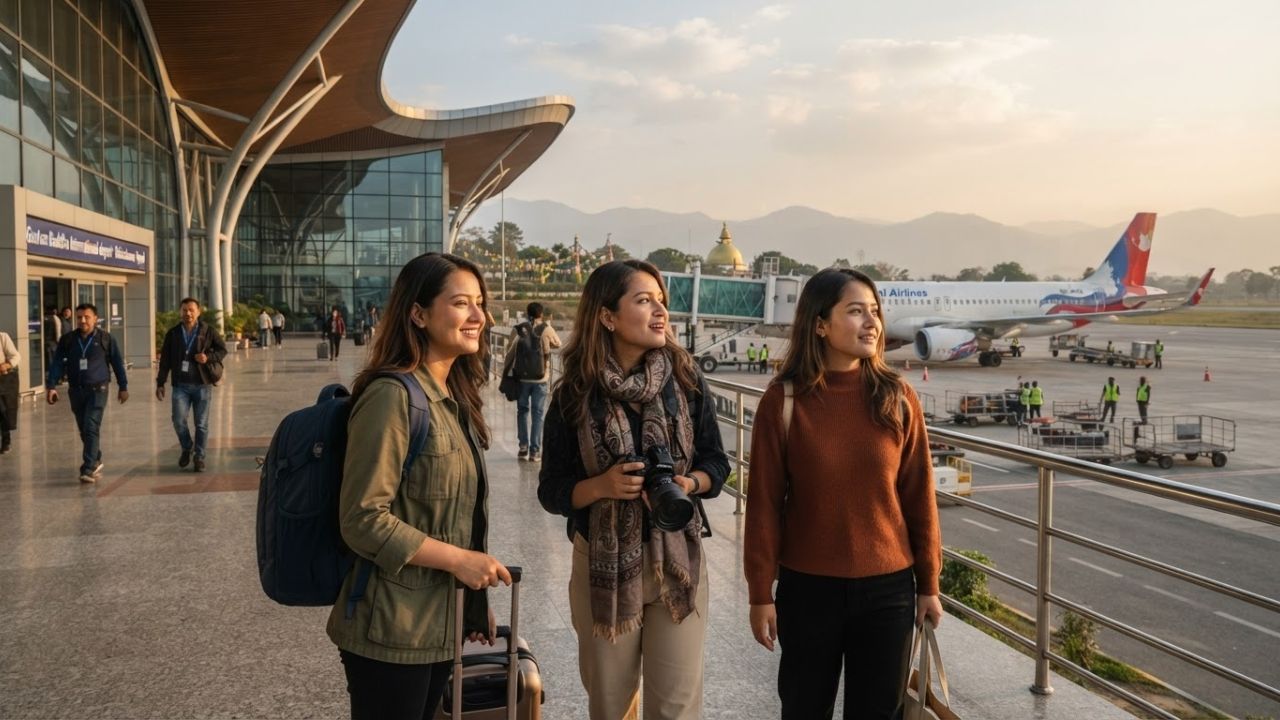
Image generated by AI
Nepal Airlines is preparing to establish a new operating base at Gautam Buddha International Airport in Bhairahawa, offering direct international access to the sacred Buddhist heritage site of Lumbini.
The Bhairahawa Move: Decentering Nepal's Aviation Network
Nepal Airlines is planning to establish a permanent operating base at Gautam Buddha International Airport (GBIA) in Bhairahawa. This project aims to improve international access to Lumbini, the birthplace of Gautam Buddha, which attracts millions of visitors interested in spiritual history and Buddhist heritage. Since starting international flight operations in 2022, the Bhairahawa facility has faced challenges in building a stable flight network. The proposed base is expected to provide the structural support needed to attract more international airlines, establish regular routes, and ease congestion at Kathmandu’s busy Tribhuvan International Airport.
For the traveler, the real impact of the Bhairahawa base is the availability of direct flight routes to western Nepal. By bypassing the crowded capital airport and subsequent overland transfers, international pilgrims, heritage tourists, and business groups can enjoy more convenient and direct transit to the sacred sites of Lumbini.
Gautam Buddha International Airport Operational Analysis
| Strategic Hub & Base | Target Tourist Markets | Key Connectivity Obstacles | Regional Economic Benefits |
|---|---|---|---|
| Gautam Buddha International Airport (Bhairahawa), Nepal's second international airport | India, China, Japan, South Korea, Thailand, and Sri Lanka | Detour via Simara entry point; negotiations for Mahendranagar, Nepalgunj, and Janakpur routes | Direct travel for labor migrants; regional hotel investments; jobs for local guides |
Unlocking the Global Potential of Lumbini Heritage Tourism
The development of the Bhairahawa aviation hub is closely linked with the promotion of Nepal’s premier cultural destinations:
- Pilgrimage Site Access: Millions of international visitors travel to Lumbini to explore the Sacred Garden and surrounding monasteries. Currently, most visitors fly into Kathmandu and take long overland road journeys to the Terai plains.
- Direct International Flights: Direct connections allow Buddhist pilgrimage groups and cultural tours to fly straight to western Nepal.
- Targeted Asian Markets: Improved air access simplifies travel for visitor groups from key Buddhist markets, including India, China, Japan, South Korea, Thailand, and Sri Lanka.
- Regional Economic Growth: Increased passenger movement supports local businesses, including hotels, guest houses, transport providers, and traditional artisans in the Lumbini region.
- Migrant Worker Transit: The base will also serve local residents traveling overseas for employment, particularly to Gulf nations and Asian destinations, by reducing transit times through Kathmandu.
Ecotourism and Community Support in Western Nepal
For the traveler, the real impact of the Bhairahawa base is the opportunity to practice slow travel. By flying directly to western Nepal, visitors can avoid the carbon emissions associated with domestic connecting flights or long diesel-bus transits.
Within the Lumbini Monastic Zone, travelers are encouraged to use low-emission electric rickshaws, rent bicycles, or walk along designated paths to protect the quiet, spiritual atmosphere of the sacred garden. Travelers can support local communities by staying at locally owned family homestays in surrounding Tharu villages and purchasing traditional hand-woven grass baskets directly from local cooperatives.
Travelers can also support the conservation of the local wetland habitats by visiting the Jagadishpur Reservoir, a designated Ramsar site situated 35 kilometers west of Lumbini. The reservoir is home to over 150 species of resident and migratory birds, including the endangered sarus crane. Hiring regional birdwatching guides from the local community ensures that conservation funds are distributed directly to agricultural families who help protect the wetland biomes from environmental degradation. Respecting environmental regulations at the adjacent Lumbini Crane Sanctuary protects regional bird habitats, while conserving fresh water reduces pressure on local municipal wells.
Destination Specialist Local Insider Tips
To help you explore Lumbini and western Nepal safely and comfortably, travel specialists suggest the following tips:
- Plan for the Dry Winter Months: Visit Lumbini between October and March to enjoy pleasant daytime temperatures (15°C to 24°C), avoiding the intense summer heat of the Terai plains.
- Dress Respectfully at Stupas: Cover shoulders and knees, remove your shoes before stepping onto temple platforms, and always walk around Buddhist monuments in a clockwise direction.
- Savor Traditional Dhikri: Experience local Terai gastronomy. Try authentic Dhikri (steamed rice flour dough served with spicy chutney) or Tharu Ghonghi (freshwater snails) at regional eateries.
- Rent an Electric Rickshaw: Navigate the sprawling Lumbini Monastic Zone easily and cleanly by hiring a local electric rickshaw driver at the park gates.
- Explore Secluded Kudan: Walk the quiet trails of Kudan (located 4.5 kilometers south of Taulihawa), where Buddha reunited with his family, avoiding the tourist crowds.
Long-Term Outlook for Sustainable Nepal Travel
The long-term outlook for western Nepal's tourism is defined by sustainable, decentralized growth. As direct international connectivity expands beyond Kathmandu, the region is poised to capture high-spending spiritual tourism markets. Resolving cross-border flight corridors with India will unlock the full potential of Bhairahawa, establishing a more resilient travel network that protects cultural heritage and fragile Terai ecosystems for future generations.
As visitor arrivals continue to grow, cooperation between the Civil Aviation Authority of Nepal (CAAN), the Lumbini Development Trust, and local community councils will remain essential to balance airport development with local heritage conservation.
Related Travel Guides
Disclaimer
This article is for informational and educational purposes only. It does not constitute legal, financial, or professional advice. While we strive to provide accurate and up-to-date information, travel policies, regulations, and conditions change rapidly. Always verify information with official sources before making travel decisions. Nomad Lawyer makes no representations about the accuracy, reliability, completeness, or suitability of the information provided. Readers should consult qualified professionals for advice specific to their circumstances. The views expressed in this article are those of the author and do not necessarily reflect the views of Nomad Lawyer.
Preeti Gunjan
Contributor & Community Manager
A passionate traveller and community builder. Preeti helps grow the Nomad Lawyer community, fostering engagement and bringing the reader experience to life.
Learn more about our team →