
Vietnam Travel Weather Alert as Northwest Regions Face Heat Rain and Thunderstorm Shifts on September 22
Vietnam Travel Weather Alert as Northwest Regions Face Heat Rain and Thunderstorm Shifts on September 22

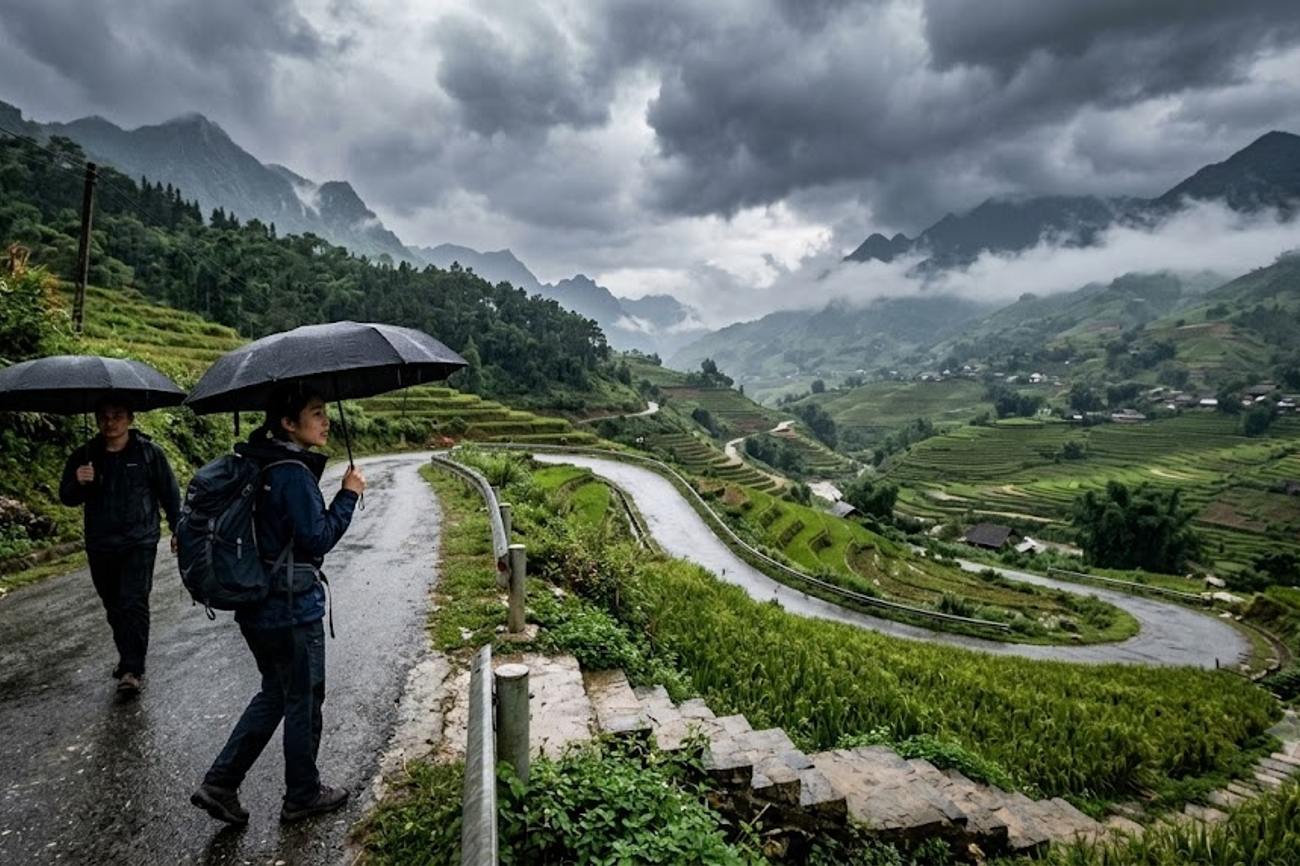
Image generated by AI
35°C peak daytime temperatures contrasted with lows falling below 21°C define the volatile atmospheric conditions currently gripping Northwest Vietnam. This extreme thermal swing, coupled with the threat of sudden thunderstorms and scattered showers on September 22, creates a high-risk environment for tourists navigating the region's complex topography. For the modern nomad or adventure traveler, these are not merely "weather changes" but systemic logistical hurdles that can compromise safety and itinerary viability in mountainous terrain.
The Volatility of the Northwest Highlands
The Northwest region of Vietnam is characterized by dramatic elevation changes, which inherently amplify weather instability. On September 22, the region is experiencing a collision of high-pressure heat and moisture-driven instability. The forecast indicates a pattern of intense daytime sunshine followed by rapid deterioration into cloudy periods and potential thunderstorms during the evening and night.
This pattern is typical of the transitional seasons in Southeast Asia, but the severity of the current temperature gap—spanning nearly 14 degrees Celsius in a single 24-hour cycle—places significant stress on travelers who are unprepared for rapid thermoregulation. The interaction between the high-altitude terrain and these sudden storm cells increases the probability of localized flash events, making real-time monitoring through the National Center for Hydro-Meteorological Forecasting or similar official channels a necessity rather than a suggestion.
Thermal Variance and Atmospheric Data
The current meteorological data reveals a stark dichotomy between daytime heat and nighttime cooling. While the valley floors and lower elevations are absorbing significant solar radiation, the higher altitudes maintain a cooler baseline, creating a "thermal trap" that often triggers the evening thunderstorms mentioned in the alerts.
| Metric | Forecasted Value | Impact Level |
|---|---|---|
| Peak Daytime Temperature | 32°C to 35°C | High (Heat Exhaustion Risk) |
| Standard Cool Period Temp | 21°C to 24°C | Moderate (Comfort Level) |
| High-Altitude Lows | Below 21°C | Moderate (Hypothermia Risk if Wet) |
| Primary Weather Risks | Thunderstorms, Scattered Showers | High (Logistical Disruption) |
The presence of "intense heat" during the day necessitates a strategic shift in activity timing. Travelers are currently facing a window of viability that is limited to the early morning and late afternoon. Midday excursions under 35°C sun, particularly during high-exertion activities like trekking, significantly increase the risk of dehydration and fatigue.
Expert Analysis: The Logistics of Mountainous Instability
For travelers booking routes through Northwest Vietnam, the direct consequence of this weather pattern is a mandatory reduction in transit speed and a requirement for "buffer time" in itineraries. In the aviation and transport sector, we view these conditions as "operational disruptors." When a region swings from 35°C sunshine to a thunderstorm in a matter of hours, the infrastructure—particularly the narrow, winding mountain passes—becomes a liability.
Vietnam's northwest regions are expected to experience a significant shift in weather patterns on September 22, with heat, rain, and thunderstorms forecasted to impact travel plans. According to the Vietnam National Administration of Tourism, tourists are advised to check the latest weather updates before embarking on their journeys. The administration has also warned of potential flash flooding and landslides in affected areas, urging travelers to exercise caution and follow local guidance.
The pricing and logistical pressure this creates is felt most by those utilizing motorbike rentals or independent trekking guides. Wet surfaces on steep gradients drastically increase the risk of accidents, and the sudden onset of thunderstorms in open mountain environments creates a "shelter deficit," where safe zones are far apart.
From a legal and safety perspective, the warning to avoid tall trees and open spaces during lightning strikes is a critical liability point. For tour operators, this weather alert necessitates a shift from "fixed itineraries" to "dynamic scheduling." Travelers who insist on adhering to a rigid timeline during these conditions are effectively ignoring the physical realities of the terrain. The risk is not just a ruined photo opportunity; it is the potential for being stranded on an exposed route during a severe electrical storm.
Furthermore, the requirement for "layered clothing" is a response to the physiological shock the body undergoes when moving from 35°C humidity to sub-21°C mountain air, especially when damp from rain. This transition can lead to rapid onset chills, which impair decision-making and physical coordination during descent.
Passengers traveling to and from Vietnam's northwest regions are advised to check with their airlines for any flight disruptions or cancellations due to the inclement weather. For the latest flight information and travel advisories, passengers can visit the Vietnam Airlines website or contact their local airport authority, such as the Noi Bai International Airport, for updates on flight schedules and travel requirements. Travelers are also encouraged to purchase travel insurance that covers unforeseen weather-related events to minimize disruptions to their travel plans.
Key Takeaways
- Thermal Extremes: Prepare for a drastic temperature range between 35°C (day) and below 21°C (night/high altitude).
- Strategic Scheduling: Shift all high-exertion activities (trekking, sightseeing) to early morning or late afternoon to avoid peak heat.
- Equipment Essentials: Waterproofing for electronics and compact rain gear are non-negotiable due to sudden evening thunderstorms.
- Transit Safety: Motorbike travelers must avoid mountain passes and exposed roads during active storm cells to prevent accidents on slippery surfaces.
- Safety Protocol: In the event of a thunderstorm, immediately vacate open spaces and avoid proximity to tall trees or metallic structures.
FAQ: Northwest Vietnam Travel September 2024
What is the best way to dress for Northwest Vietnam in September? Use a layering system. Wear lightweight, breathable fabrics for the 35°C daytime heat and carry a light jacket or fleece for when temperatures drop below 21°C in the evenings or at higher elevations.
Is it safe to ride a motorbike in the Northwest region during this alert? It is risky. While possible, you must check vehicles beforehand and avoid steep mountain passes during thunderstorms. Wet roads in this region are notoriously slippery and prone to sudden visibility drops.
How should I protect my gear from the predicted thunderstorms? Use dedicated waterproof dry bags or covers for smartphones and cameras. Given the "sudden" nature of these storms, gear should be stored in waterproof containers even during sunny periods.
What should I do if I am trekking and a storm hits? Immediately stop and seek safe shelter. Avoid open ridges, peaks, and standing under isolated tall trees. Do not attempt to push through heavy rainfall or poor visibility to reach a destination.
In the mountains of Vietnam, the weather does not suggest—it dictates.
Tags: Northwest Vietnam Weather 2024, Vietnam Mountain Safety, September Weather Alert Vietnam, Vietnam Trekking Logistics, Vietnam Motorbike Travel Safety
Related Travel Guides
- South Korea Leads Asia Travel Growth Through Hallyu Wellness and Rising Flights to Seoul
- Malaysia Aligns Vietnam and Others Face Travel Cost Pressure as the Airfares Surge 10% And Hotels Rise 3%
- US China Trump Xi Summit 2026 Sparks New Travel Growth Hopes as Business Tourism Watches Diplomatic Shift
Disclaimer
This article is for informational and educational purposes only. It does not constitute legal, financial, or professional advice. While we strive to provide accurate and up-to-date information, travel policies, regulations, and conditions change rapidly. Always verify information with official sources before making travel decisions. Nomad Lawyer makes no representations about the accuracy, reliability, completeness, or suitability of the information provided. Readers should consult qualified professionals for advice specific to their circumstances. The views expressed in this article are those of the author and do not necessarily reflect the views of Nomad Lawyer.
Preeti Gunjan
Contributor & Community Manager
A passionate traveller and community builder. Preeti helps grow the Nomad Lawyer community, fostering engagement and bringing the reader experience to life.
Learn more about our team →