
Malaysia Partners With Russia in Expanding Arts, Culture and Tourism Collaboration Through New MoU
Malaysia Partners With Russia in Expanding Arts, Culture and Tourism Collaboration Through New MoU

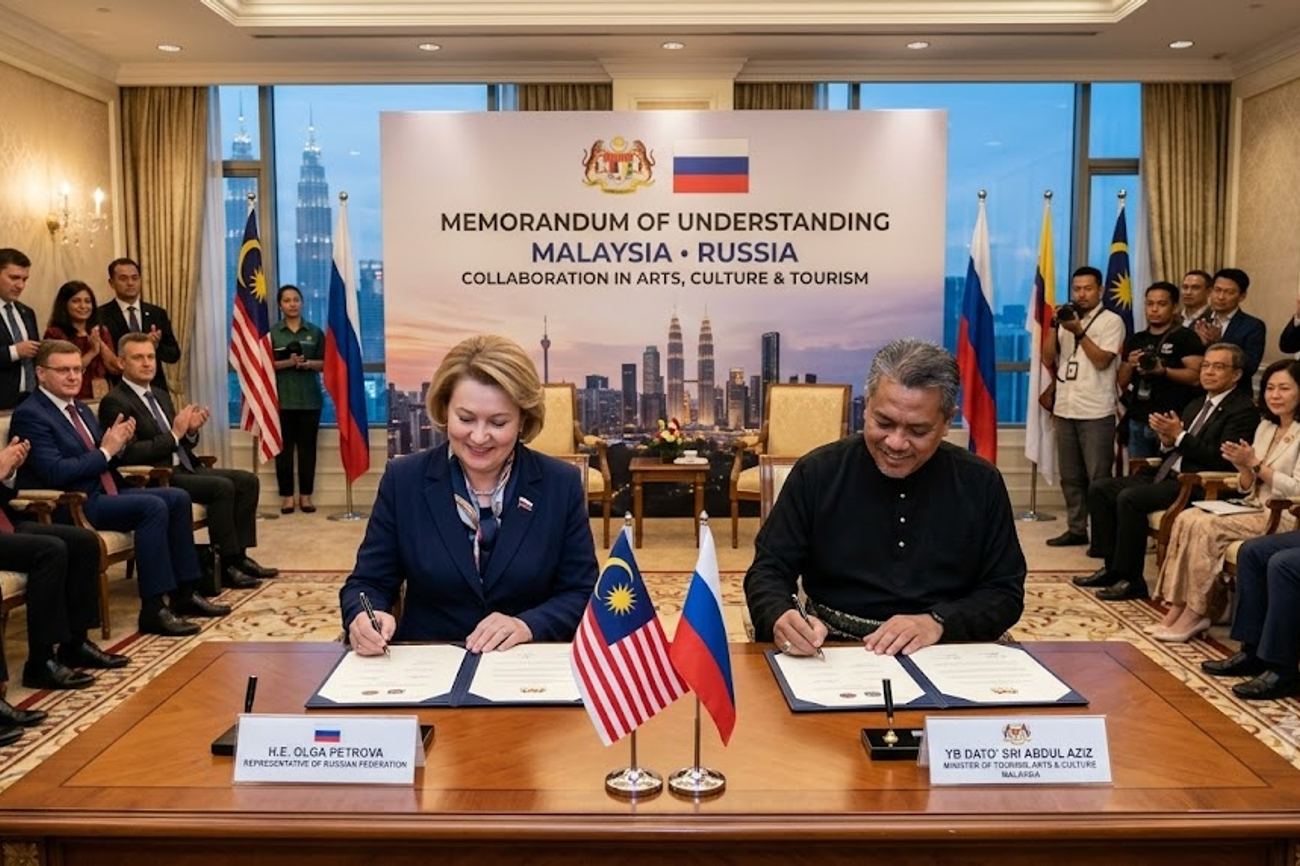
Image generated by AI
[Kuala Lumpur, October 2024] — Malaysia and Russia are finalizing a comprehensive Memorandum of Understanding (MoU) designed to aggressively expand cultural tourism, creative industry partnerships, and diplomatic exchange between the two nations.
The proposed framework establishes a structured legal and operational platform to facilitate the movement of artists, students, and cultural professionals. By formalizing these ties, both governments aim to transition from sporadic cultural events to a sustainable, institutionalized pipeline of tourism and educational growth. The agreement specifically targets the "creative economy," seeking to integrate heritage preservation with modern commercial tourism.
The Catalyst for Cultural Integration
The primary driver behind this MoU is a strategic shift toward "meaningful travel," where tourists prioritize authentic heritage and local traditions over standard sightseeing. Malaysia is leveraging this trend to diversify its international visitor base, positioning its diverse ethnic heritage as a primary draw for Russian citizens.
The initiative is not merely a diplomatic gesture but a calculated economic move. By linking cultural institutions and creative entrepreneurs, the two countries intend to co-develop tourism products—such as specialized heritage tours and joint arts festivals—that incentivize long-haul travel. This aligns with the broader mandates of the Ministry of Tourism, Arts and Culture Malaysia (MOTAC), which seeks to elevate Malaysia's global profile through cultural diplomacy.
Market and Sector Impact
The scope of the agreement extends across multiple professional and academic sectors. The following groups are identified as the primary beneficiaries and participants in the new framework:
- Creative Professionals: Artists, filmmakers, and designers will gain access to international showcases and professional exchange programs to share technical skills and creative methodologies.
- Educational Institutions: Universities and music conservatories will see an increase in student exchange quotas, specifically targeting Malaysian students studying in Russia and Russian students exploring Malaysian heritage.
- Tourism Operators: Travel agencies and tour operators can expect a surge in demand for "cultural corridors"—itineraries focused on arts, history, and community-based experiences.
- Cultural Organizations: Museums and galleries will have a formalized mechanism to organize joint exhibitions and heritage preservation projects.
What This Means for Travelers
For the average traveler or digital nomad, this diplomatic shift translates into tangible changes in how travel between Southeast Asia and Eastern Europe is marketed and experienced.
1. New Niche Itineraries Expect a rise in curated "Arts and Heritage" packages. Instead of generic city tours, travelers will likely see offerings centered around Russian cinema festivals in Kuala Lumpur or Malaysian craft exhibitions in Moscow.
2. Expanded Educational Tourism The focus on student exchanges means more streamlined pathways for those seeking academic programs. This creates a "pipeline effect" where students return to their home countries as brand ambassadors for the destination, lowering the perceived barrier for first-time tourists.
3. Enhanced Cultural Programming Travelers visiting Malaysia can expect more frequent and higher-quality Russian cultural showcases, while those in Russia will see an increase in Malaysian artistic presentations. This creates a "soft landing" for tourists who are more likely to visit a country after experiencing its culture locally.
4. Potential for Visa and Entry Facilitation While the MoU focuses on culture, historical precedents show that structured cultural and educational agreements often precede discussions on easing visa requirements or improving flight connectivity to support the increased movement of people.
The Road to Implementation
The transition from a proposed MoU to active tourism growth will follow a phased timeline. Initially, the focus remains on "people-to-people" connections. This is already evident in the success of Russian cinema programs hosted in Malaysia and performances by students from elite Russian music institutions.
The next phase involves the "professionalization" of these exchanges. Rather than one-off events, the framework will establish permanent channels for knowledge transfer. This means a Malaysian curator might spend six months in a Russian gallery, or a Russian creative entrepreneur might help develop a heritage site in Malaysia.
Ultimately, this partnership is a component of Malaysia's global strategy to remain competitive in a crowded tourism market. By partnering with Russia, Malaysia is tapping into a market that values deep historical and artistic narratives, moving away from the volatility of mass tourism toward the stability of high-value cultural tourism. For further regulatory context on international travel standards, travelers can refer to the International Civil Aviation Organization (ICAO).
FAQ: Malaysia-Russia Cultural Tourism 2024
Will this agreement lead to more direct flights between Malaysia and Russia? While the MoU specifically targets cultural and creative cooperation, the resulting increase in student and professional exchanges typically creates the passenger demand necessary for airlines to evaluate new or expanded flight routes.
How does this impact Malaysian students wanting to study in Russia? The agreement explicitly aims to expand educational links. Students can expect more structured exchange programs, better institutional support, and increased opportunities for academic scholarships within the arts and creative sectors.
What is "cultural tourism" in the context of this deal? It refers to travel motivated by the desire to experience the arts, architecture, history, and traditions of a destination. In this case, it means creating tours that focus on authentic heritage rather than just shopping or beaches.
When will the new cultural programs be available to the public? Many initiatives, such as cinema screenings and musical performances, are already occurring. The MoU will simply scale these activities, making them more frequent and accessible to the general traveling public.
Bridging the gap between Southeast Asian heritage and Eastern European artistry.
#MalaysiaTourism #RussiaTravel #CulturalDiplomacy #CreativeEconomy2024 #KULtoMoscow #MOTAC
Related Travel Guides
- Tokyo Overtakes Bangkok as Asia’s Most Revisited Destination in 2026 as Japan Captures Repeat Travellers
- Kyrgyzstan Sets New Central Asia Tourism Direction With Plan to Showcase Regional Heritage Together
- Singapore Plans Greater Sentosa Tourism Transformation to Double Visitors With New Attractions and Beaches
Disclaimer
This article is for informational and educational purposes only. It does not constitute legal, financial, or professional advice. While we strive to provide accurate and up-to-date information, travel policies, regulations, and conditions change rapidly. Always verify information with official sources before making travel decisions. Nomad Lawyer makes no representations about the accuracy, reliability, completeness, or suitability of the information provided. Readers should consult qualified professionals for advice specific to their circumstances. The views expressed in this article are those of the author and do not necessarily reflect the views of Nomad Lawyer.
Naina Thakur
Contributor & Travel Specialist
Travel enthusiast and legal writer covering visa regulations, responsible tourism, and cultural journeys across global destinations.
Learn more about our team →