
Kyrgyzstan Sets New Central Asia Tourism Direction With Plan to Showcase Regional Heritage Together
Kyrgyzstan Sets New Central Asia Tourism Direction With Plan to Showcase Regional Heritage Together

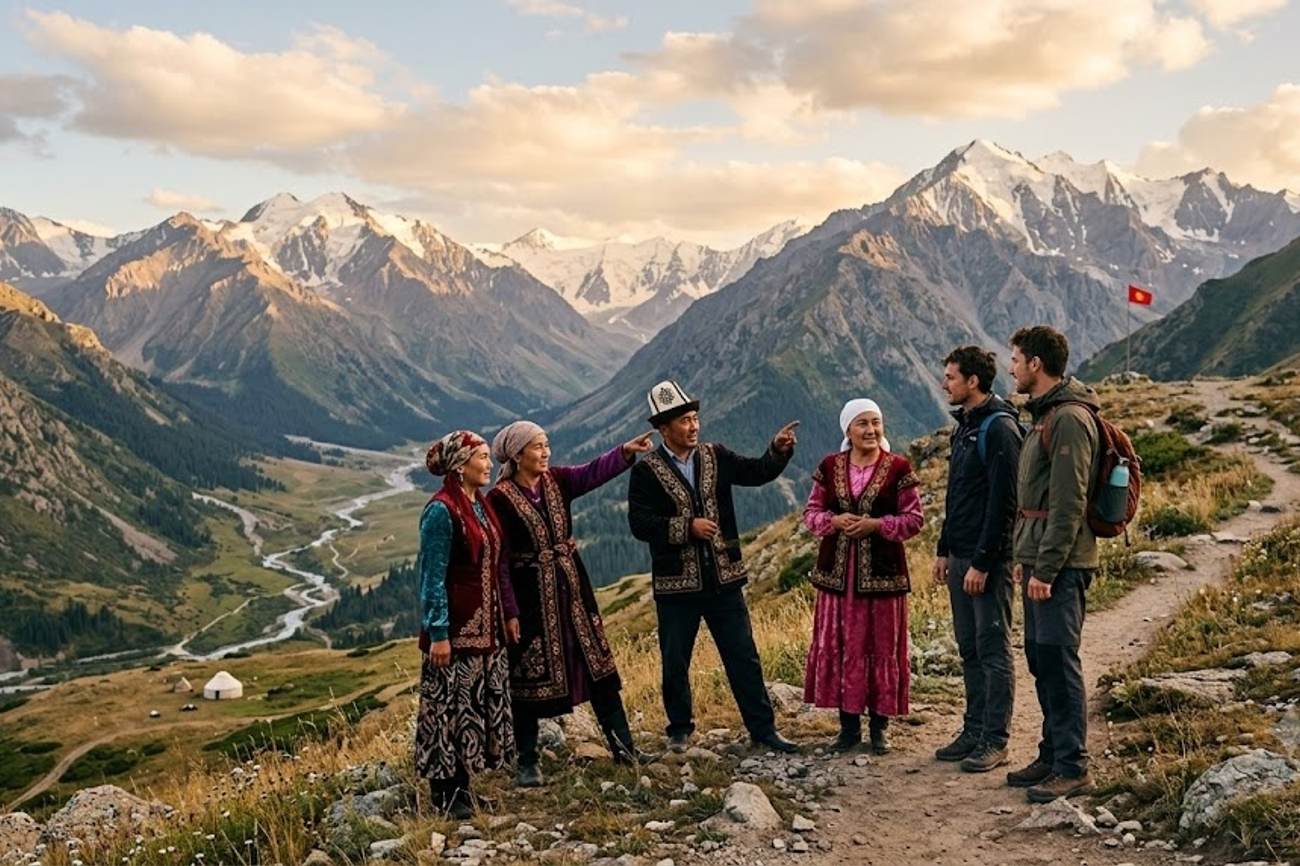
Image generated by AI
Zero singular national brands currently define the Central Asian travel market, a gap Kyrgyzstan is now attempting to fill by spearheading a unified regional tourism identity. By shifting the narrative from individual country visits to a cohesive, multi-nation experience, Kyrgyzstan aims to transform the region into a singular, interconnected destination. This strategic pivot focuses on blending the nomadic heritage, mountain topography, and ancient trade routes of several nations into a shared "Central Asia" brand designed to compete with established global tourism hubs.
The Geopolitical Pivot Toward Regionalism
The current initiative represents a departure from traditional tourism marketing, where nations like Kyrgyzstan, Kazakhstan, Uzbekistan, Tajikistan, and Turkmenistan compete for the same pool of international visitors. Instead, the proposal suggests a coordinated framework where these countries act as complementary components of a larger journey. This approach is rooted in the reality that the region’s primary draws—the Silk Road history and the Tien Shan and Pamir mountain ranges—do not adhere to modern political borders.
By creating a "connected Central Asia" experience, Kyrgyzstan is positioning itself as the regional architect of a sustainable tourism ecosystem. This strategy is not merely about marketing; it is about the logistical synchronization of infrastructure and the standardization of sustainable practices across borders. The vision was formally introduced during international forums focused on environmental protection and global partnerships, signaling that the region intends to align itself with the standards set by the World Tourism Organization (UN Tourism).
Mapping the Integrated Tourism Assets
The proposed unified product relies on three primary pillars: nomadic culture, high-altitude adventure, and historical connectivity. By bundling these assets, the region can offer itineraries that were previously fragmented by visa complexities and disjointed transport networks.
| Asset Category | Primary Focus | Strategic Objective |
|---|---|---|
| Nomadic Heritage | Traditional lifestyles and historical settlements | Attract "authentic" travel seekers moving away from mass tourism |
| Mountain Tourism | Hiking, adventure sports, and untouched nature | Position the region as a primary global hub for outdoor exploration |
| Historic Routes | Ancient trade paths and cultural landmarks | Create multi-country narratives that link various national capitals |
| Sustainability | Ecosystem protection and community employment | Ensure long-term viability of natural resources via responsible management |
The operational success of this vision depends heavily on the ability of these nations to synchronize their entry requirements and transportation hubs. For the traveler, this means the potential for a single regional permit or a streamlined visa process that allows for seamless transit between, for example, the high-altitude lakes of Kyrgyzstan and the architectural wonders of Uzbekistan.
Expert Analysis: The Logistics of a Shared Brand
For travelers booking trips to this region, the direct consequence of this rebranding will be a shift from "country-hopping" to "thematic touring." When a region adopts a unified brand, the pricing pressure typically shifts from individual hotel and tour operators to larger, regional aggregators. We can expect the emergence of "Central Asia Passes" or integrated tour packages that span three or four countries, potentially lowering the per-destination cost but increasing the total spend per trip as visitors are encouraged to stay longer.
The move toward sustainability is not merely an environmental choice but a market-driven one. There is a documented surge in demand for "slow travel" and "meaningful experiences." By emphasizing the protection of natural resources and the involvement of local communities, Kyrgyzstan is attempting to insulate the region from the "over-tourism" pitfalls seen in parts of Europe and Southeast Asia.
However, the primary risk remains the disparity in infrastructure. While some nations in the bloc have invested heavily in modern airports and high-speed rail, others remain underdeveloped. For this unified brand to work, the "weakest link" in the infrastructure chain must be strengthened. If a traveler experiences a seamless journey in one country only to encounter systemic logistical failures in the next, the "unified brand" becomes a liability rather than an asset. To track the actual progress of this connectivity, analysts should monitor data from the International Air Transport Association (IATA) regarding new regional flight corridors.
Key Takeaways
- Shift to Regionalism: Kyrgyzstan is leading a move to replace individual national tourism brands with a single, unified "Central Asia" identity.
- Thematic Bundling: The strategy focuses on three core pillars: nomadic traditions, mountain adventure, and Silk Road history.
- Sustainability Mandate: The plan explicitly links growth to environmental protection and the economic empowerment of local rural communities.
- Infrastructure Dependency: Success hinges on improving cross-border connectivity and coordinating tourism facilities across multiple sovereign states.
- Market Positioning: The goal is to attract high-value, environmentally conscious travelers seeking authentic experiences over traditional luxury tourism.
FAQ: Central Asia Tourism 2025
Can I visit multiple Central Asian countries on one trip? Yes, and the new regional initiative aims to make this easier. Currently, travelers must manage separate visas and transport for each country, but the goal is to create more seamless, interconnected itineraries.
What is the best way to experience nomadic culture in the region? The proposed strategy emphasizes authentic experiences in traditional settlements and mountain regions, particularly in Kyrgyzstan, where nomadic traditions remain a central part of the cultural identity.
Is tourism in Central Asia sustainable? The region is currently implementing a new vision focused on responsible travel. This includes protecting fragile mountain ecosystems and ensuring tourism revenue directly supports local village economies.
Which activities are best for adventure travelers in Central Asia? The region is positioning itself as a hub for high-altitude hiking, nature exploration, and outdoor adventure, leveraging the diverse landscapes of the Tien Shan and Pamir mountains.
The transition from isolated national destinations to a unified regional powerhouse will determine if Central Asia becomes the next great frontier for the conscious traveler.
#KyrgyzstanTourism #CentralAsiaTravel #SilkRoadHeritage #SustainableTourism2025 #TienShanMountains #RegionalTourismBranding
Related Travel Guides
- Singapore Plans Greater Sentosa Tourism Transformation to Double Visitors With New Attractions and Beaches
- Anfeh and Tyre Moves with Sharm El-Sheikh-Dahab and More in Middle East’s Green Tourism Revolution with Culture, Nature and Local Experiences
- Mecca Teams up with Riyadh and More in Fueling Saudi Arabia Tourism Revenue Despite Tourist Arrivals Falling Short by 13% in 2026
Disclaimer
This article is for informational and educational purposes only. It does not constitute legal, financial, or professional advice. While we strive to provide accurate and up-to-date information, travel policies, regulations, and conditions change rapidly. Always verify information with official sources before making travel decisions. Nomad Lawyer makes no representations about the accuracy, reliability, completeness, or suitability of the information provided. Readers should consult qualified professionals for advice specific to their circumstances. The views expressed in this article are those of the author and do not necessarily reflect the views of Nomad Lawyer.
Preeti Gunjan
Contributor & Community Manager
A passionate traveller and community builder. Preeti helps grow the Nomad Lawyer community, fostering engagement and bringing the reader experience to life.
Learn more about our team →