
Tokyo Overtakes Bangkok as Asia’s Most Revisited Destination in 2026 as Japan Captures Repeat Travellers
Tokyo Overtakes Bangkok as Asia’s Most Revisited Destination in 2026 as Japan Captures Repeat Travellers

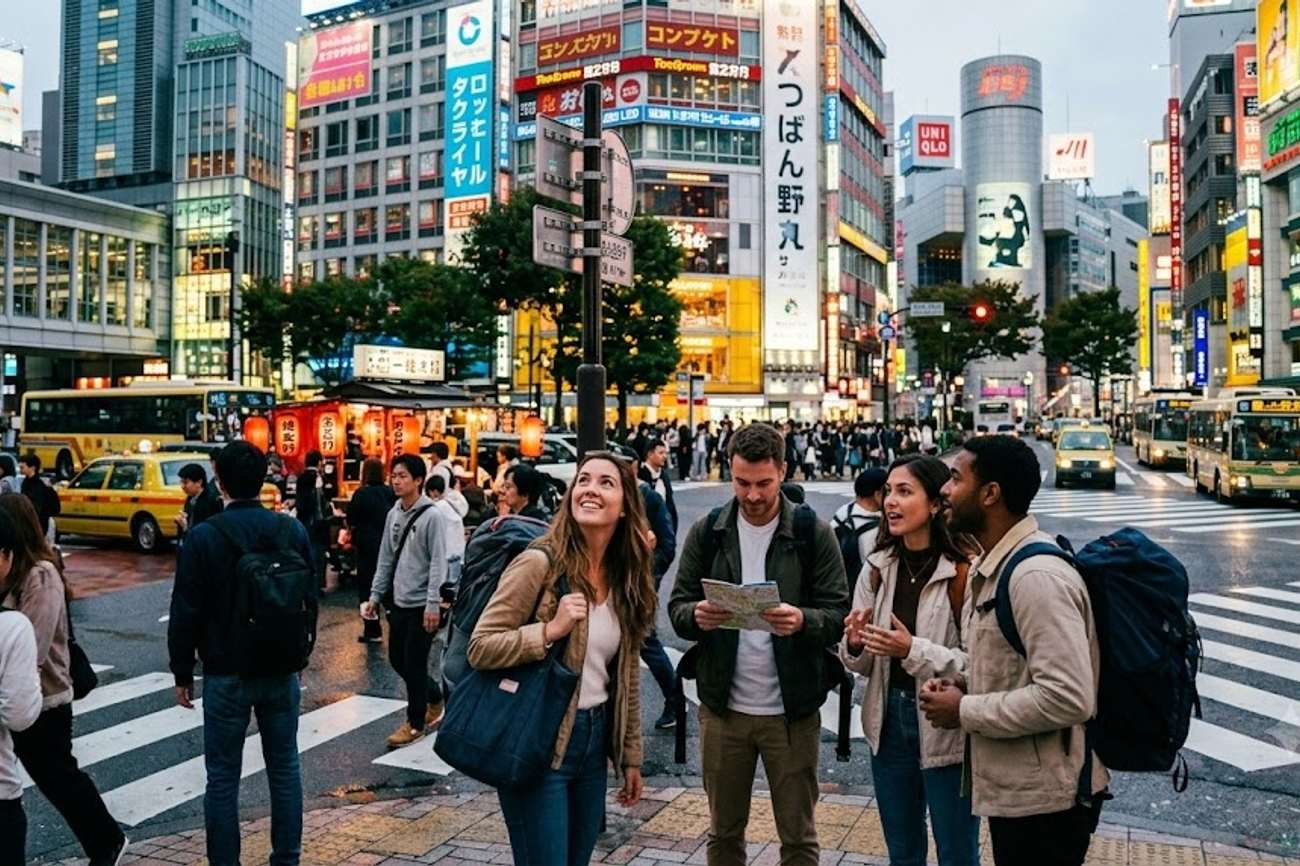
Image generated by AI
Tokyo has displaced Bangkok as Asia’s primary repeat-visit destination for 2026, marking a decisive shift in traveler loyalty patterns across the APAC region. While Bangkok held the top position in 2025, Agoda’s H1 2026 booking data confirms a realignment where the Japanese capital now leads the market in attracting return visitors, signaling a transition from "bucket-list" tourism toward deep-engagement travel.
The Repeat-Visit Metric: Tokyo’s H1 2026 Dominance
The transition of Tokyo from the second position in 2025 to the first in 2026 is not a random fluctuation but a reflection of a broader shift in consumer behavior toward "seasonal layering." According to booking data from the first half of 2026, Tokyo has successfully leveraged its environmental and cultural volatility to ensure that a single visit is insufficient to exhaust the city's offerings.
This pattern is driven by four distinct seasonal pivots: the spring cherry blossom window, summer festivals and pyrotechnics, autumn foliage, and winter illuminations. Each phase offers a different culinary and visual profile, effectively creating four different "products" within a single geographic location. When analyzed alongside data from the World Tourism Organization (UNWTO), this suggests a growing preference for destinations that provide high variance in experience across a calendar year.
Beyond the weather, Tokyo’s urban density allows for "itinerary segmentation." The ability to isolate visits to specific districts—such as the luxury corridors of Ginza, the neon-lit hubs of Shinjuku, or historic temple zones—means travelers can return three or four times without duplicating their experience. This is a critical differentiator from destinations that rely on a few "must-see" landmarks.
Comparative Market Analysis: 2025 vs. 2026
The shift in rankings reveals a competitive tension between the "Urban Powerhouses" (Tokyo, Bangkok, Seoul) and "Experience Hubs" (Bali, Da Nang). While Bangkok remains a formidable force in second place, its slip from the top spot indicates a plateau in its ability to convert first-time visitors into repeat guests compared to Tokyo's aggressive growth in this segment.
Bali’s ascent to third place is particularly noteworthy. Unlike the urban-centric models of Tokyo and Bangkok, Bali’s growth in repeat bookings is tied to the wellness and nature sectors. This indicates a bifurcated market: one segment of travelers returns for the hyper-modernity and seasonal shifts of Japan, while another returns for the restorative, landscape-driven experiences of Indonesia.
The following table illustrates the shift in the top five repeat-visit destinations from the previous year to the current 2026 data:
| 2026 Rank | Destination | 2025 Rank | Shift | Primary Driver of Repeat Visit |
|---|---|---|---|---|
| 1 | Tokyo, Japan | 2 | +1 | Seasonal Variance & District Diversity |
| 2 | Bangkok, Thailand | 1 | -1 | Wellness, Street Life & Cultural Landmarks |
| 3 | Bali, Indonesia | 4 | +1 | Nature, Wellness & Coastal Resorts |
| 4 | Seoul, South Korea | 3 | -1 | K-Culture, Beauty & Entertainment |
| 5 | Osaka, Japan | 5 | 0 | Culinary Depth & Regional Access |
Japan's overall market share in the top 10 has expanded significantly. With Tokyo, Osaka, and Fukuoka (ranked 8th) all appearing in the list, Japan now controls 30% of the top repeat-visit slots in Asia. This indicates a "Japan-centric" trend where travelers are no longer just visiting the capital but are diversifying their return trips to include secondary Japanese cities.
What This Means for Travelers
For the individual nomad or frequent traveler, the data suggests that the "one-and-done" approach to Asian capitals is becoming obsolete. The rise of Tokyo and the stability of Bangkok and Seoul indicate that these cities are designed for iterative exploration.
Booking Strategy for Tokyo: If you are planning a return trip to Tokyo, the data emphasizes the importance of timing. Booking for the "off-peak" seasonal pivots (such as late autumn or mid-winter) may offer a completely different experience than a spring visit. Because Tokyo is now the top repeat destination, hotel occupancy in key districts like Shinjuku and Ginza is likely to remain high year-round. Booking 12-16 weeks in advance is recommended for peak seasonal windows to avoid the price surges associated with high repeat-visitor demand.
Diversification Advice: The appearance of Fukuoka (8th) and Da Nang (6th) in the rankings suggests a market movement toward "Tier 2" cities. Travelers should consider shifting their repeat visits away from the primary hubs to these emerging destinations to find higher value and less congestion. For those focusing on Malaysia, the presence of both Kuala Lumpur (7th) and Johor Bahru (10th) suggests an opportunity for multi-city regional loops.
To track real-time capacity and flight availability for these expanding routes, travelers should monitor IATA's industry reports on regional connectivity, as the increase in repeat visits often triggers airlines to increase flight frequencies to secondary cities like Fukuoka.
Forward Projection: The Rise of the Regional Cluster
Based on the current trajectory, the travel industry is moving toward a "Cluster Visitation" model. We are seeing a shift where travelers do not simply return to a city, but return to a country to explore a cluster of related destinations. Japan is the blueprint for this: the simultaneous high ranking of Tokyo, Osaka, and Fukuoka suggests that the "Japan Trip" is evolving into a series of specialized return journeys.
We can expect Bangkok to fight for the top spot by further integrating its wellness tourism—a sector already highlighted by the Thai government—to create the same kind of "seasonal" or "thematic" pull that Tokyo possesses. Similarly, the rise of Da Nang indicates that Vietnam is successfully positioning its coastal cities as repeat-visit alternatives to the traditional hubs of Thailand and Indonesia.
As the market matures, the metric of success for these destinations will shift from "Total Arrivals" to "Lifetime Value per Visitor." Destinations that can create a revolving door of experiences—changing menus, seasonal festivals, and evolving urban districts—will dominate the 2027 and 2028 rankings.
FAQ: Asia Repeat Travel Trends 2026
Will hotel prices in Tokyo continue to rise due to repeat visitor demand? Yes. As Tokyo becomes the primary hub for return travelers, demand is becoming less seasonal and more consistent year-round. This sustained pressure on inventory typically leads to higher baseline pricing, making early booking essential.
Is it better to visit Bangkok or Tokyo for a second trip? It depends on the objective. Data shows Tokyo is superior for seasonal variety and urban exploration, while Bangkok remains a leader in wellness and cultural immersion. Tokyo currently has higher momentum in repeat-booking growth.
Which emerging cities should I consider instead of the top five? Fukuoka and Da Nang are the strongest "growth" destinations. They are currently attracting repeat visitors who want the amenities of a major city without the extreme congestion of Tokyo or Bangkok.
Why is Bali climbing the rankings despite not being a "city" destination? Bali is successfully pivoting toward wellness and long-term retreat models. Travelers are returning not for new sights, but for consistent, high-quality restorative experiences, which creates a different but powerful repeat-visit loop.
The era of the single-visit tourist is ending; the era of the iterative explorer has arrived.
Tags: Tokyo-Repeat-Visitor-Growth-2026, APAC-Tourism-Market-Share, Agoda-Booking-Data-Analysis, Japan-Regional-Tourism-Expansion, Bangkok-Wellness-Tourism-Trend
Related Travel Guides
- Kyrgyzstan Sets New Central Asia Tourism Direction With Plan to Showcase Regional Heritage Together
- Singapore Plans Greater Sentosa Tourism Transformation to Double Visitors With New Attractions and Beaches
- Anfeh and Tyre Moves with Sharm El-Sheikh-Dahab and More in Middle East’s Green Tourism Revolution with Culture, Nature and Local Experiences
Disclaimer
This article is for informational and educational purposes only. It does not constitute legal, financial, or professional advice. While we strive to provide accurate and up-to-date information, travel policies, regulations, and conditions change rapidly. Always verify information with official sources before making travel decisions. Nomad Lawyer makes no representations about the accuracy, reliability, completeness, or suitability of the information provided. Readers should consult qualified professionals for advice specific to their circumstances. The views expressed in this article are those of the author and do not necessarily reflect the views of Nomad Lawyer.
Naina Thakur
Contributor & Travel Specialist
Travel enthusiast and legal writer covering visa regulations, responsible tourism, and cultural journeys across global destinations.
Learn more about our team →