
Malaysia Aligns Vietnam and Others Face Travel Cost Pressure as the Airfares Surge 10% And Hotels Rise 3%
Malaysia Aligns Vietnam and Others Face Travel Cost Pressure as the Airfares Surge 10% And Hotels Rise 3%

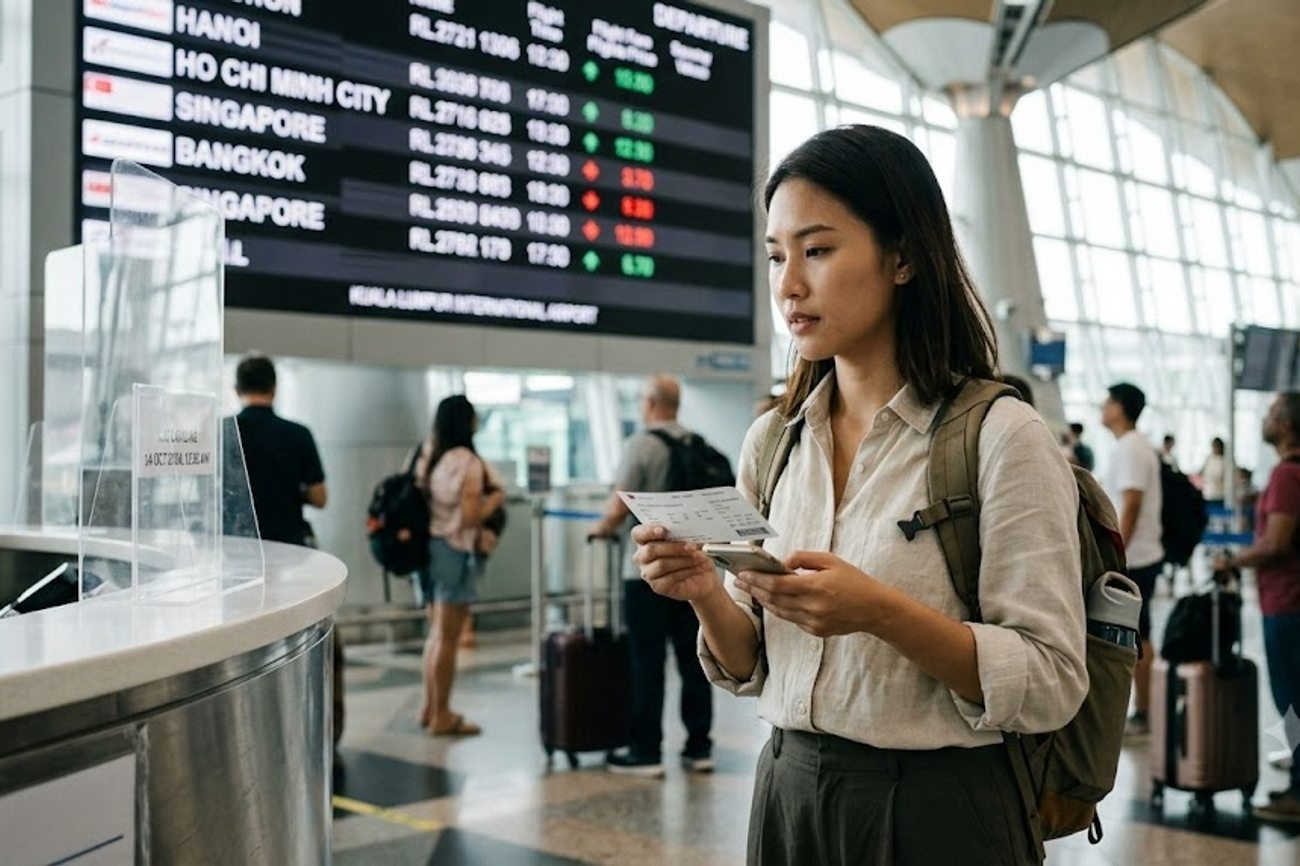
Image generated by AI
[Singapore, September 2026] — International airfares across the Asia-Pacific region have surged by 10% year-on-year, triggering a systemic financial crisis for the global tourism industry. This spike, coupled with a 3% increase in regional hotel costs, is forcing a radical shift in consumer behavior as travelers prioritize budget-friendly destinations over luxury accommodations.
The current volatility is driven by a confluence of geopolitical instability in West Asia and a prolonged energy crisis. Aviation turbine fuel (ATF) has remained stubbornly above $100 per barrel, leaving carriers with no choice but to pass operational costs to passengers. Simultaneously, airspace closures in conflict zones have forced major airlines to reroute flights, extending travel times and further inflating fuel consumption and crew expenses.
The Catalyst of the Aviation Surge
The primary driver of the current pricing crisis is the volatility of global energy markets. For commercial carriers, fuel is the largest operational expenditure; with ATF prices exceeding the $100 per barrel threshold, the era of ultra-cheap regional connectivity is effectively paused. This is not a strategic profit-grab by airlines but a survival mechanism against escalating overheads.
Adding to the fuel crisis is the instability of the Strait of Hormuz. As a primary maritime choke point for crude oil, disruptions in this region have created a "premium of uncertainty" in the petroleum supply chain. This disproportionately affects oil-importing giants such as China, Japan, and India. According to assessments from the PHD Chamber of Commerce and Industry, the Indian aviation sector alone faces potential losses of approximately INR 18,000 crore if these geopolitical disruptions persist.
Beyond fuel, the physical geography of flight paths has changed. To comply with safety protocols from the International Civil Aviation Organization (ICAO), carriers including Vietnam Airlines, Air India, and Cathay Pacific are avoiding volatile zones in the Middle East. These diversions result in:
- Increased flight durations by several hours.
- Exponentially higher fuel burn per trip.
- Accelerated aircraft maintenance cycles due to increased wear and tear.
- Higher payroll costs for flight crews working extended hours.
- The loss of critical Gulf airport hubs that previously served as efficient transit nodes between Europe and Asia.
Markets and Routes Under Pressure
The financial friction is not distributed evenly. While demand for travel remains resilient, the "value-for-money" migration is creating winners and losers across the APAC region.
| Impact Category | Specific Effect | Severity |
|---|---|---|
| Short-Haul Routes | Southeast Asian capital connections are no longer "budget" options. | High |
| Long-Haul Routes | Europe-Asia corridors are seeing the highest price hikes due to rerouting. | Critical |
| Hospitality | 3% increase in room rates; travelers are downgrading from luxury to mid-scale hotels. | Moderate |
| Developing Nations | Loss of tourist revenue as travelers pivot to "high-value" destinations. | High |
The International Air Transport Association (IATA) reports that these costs are outstripping standard regional inflation, meaning the "real cost" of a vacation is rising faster than average wages in many Asian markets.
Practical Traveler Advisory and Strategic Insights
For the average passenger booking a trip in late 2026, the "post-pandemic recovery" has been replaced by "structural economic friction." The practical implications are immediate:
- The End of the "Luxury Budget" Trip: Travelers are no longer able to pair cheap flights with high-end hotels. The trend is now "flight-first," where passengers pay the premium for the ticket but aggressively cut costs on lodging, opting for budget hotels or rentals to offset the 10% airfare hike.
- Destination Pivoting: There is a measurable shift toward destinations that offer higher perceived value. This means travelers are avoiding expensive hubs in favor of countries where the local currency is weak or tourism packages are heavily subsidized.
- Increased Travel Time: Due to airspace closures, passengers should expect longer flight durations on routes connecting Asia to Europe or Africa. These are not delays, but permanent reroutes for safety.
- Fuel Surcharges: Expect "fuel surcharges" to appear as separate line items on tickets, as airlines attempt to insulate themselves from daily oil price swings.
Government Intervention and Future Outlook
Recognizing that tourism is a vital GDP contributor, Ministries of Finance, Economics, and Trade across Asia have mobilized emergency teams to stimulate air travel. The goal is to prevent a total collapse in outbound and inbound tourist volumes.
Proposed policy shifts currently under negotiation include:
- Tax Relief: The removal or reduction of international travel taxes to lower the final ticket price for consumers.
- Regulatory Easing: The elimination of lingering travel restrictions to increase the volume of passengers, allowing airlines to rely on scale rather than high margins.
- Subsidies: Potential government interventions to stabilize fuel costs for national carriers.
The timeline for these interventions is immediate, as governments scramble to protect their tourism sectors before the 2027 fiscal year. However, the effectiveness of these measures depends entirely on the stabilization of the Strait of Hormuz and the resolution of West Asian conflicts. Until energy prices drop below the $100 per barrel mark, the World Tourism Organization (UN Tourism) suggests that the industry will remain in a state of precarious volatility.
FAQ: Asia Travel Costs 2026
Why are my flight tickets 10% more expensive this year? The increase is driven by aviation fuel prices staying above $100 per barrel and the need for airlines to reroute flights around conflict zones in West Asia, which increases fuel burn and crew costs.
Are hotel prices rising as well? Yes, regional hotel rates have increased by approximately 3%. However, many travelers are mitigating this by choosing lower-category accommodations to afford the higher cost of airfare.
Which regions are most affected by flight rerouting? Routes connecting Asia to Europe and the Middle East are most impacted. Carriers are avoiding volatile airspace, leading to longer flights and higher operational costs.
What are governments doing to help travelers? Several Asian ministries are discussing the removal of international travel taxes and the lifting of travel restrictions to make flying more affordable and attract more tourists.
The era of cheap Asian connectivity has hit a geopolitical wall.
Related Travel Guides
Disclaimer
This article is for informational and educational purposes only. It does not constitute legal, financial, or professional advice. While we strive to provide accurate and up-to-date information, travel policies, regulations, and conditions change rapidly. Always verify information with official sources before making travel decisions. Nomad Lawyer makes no representations about the accuracy, reliability, completeness, or suitability of the information provided. Readers should consult qualified professionals for advice specific to their circumstances. The views expressed in this article are those of the author and do not necessarily reflect the views of Nomad Lawyer.
Naina Thakur
Contributor & Travel Specialist
Travel enthusiast and legal writer covering visa regulations, responsible tourism, and cultural journeys across global destinations.
Learn more about our team →