
Romania Rivals Ireland in a New Halloween Tourism Race From Dracula Country to the Birthplace of Samhain
Romania Rivals Ireland in a New Halloween Tourism Race From Dracula Country to the Birthplace of Samhain

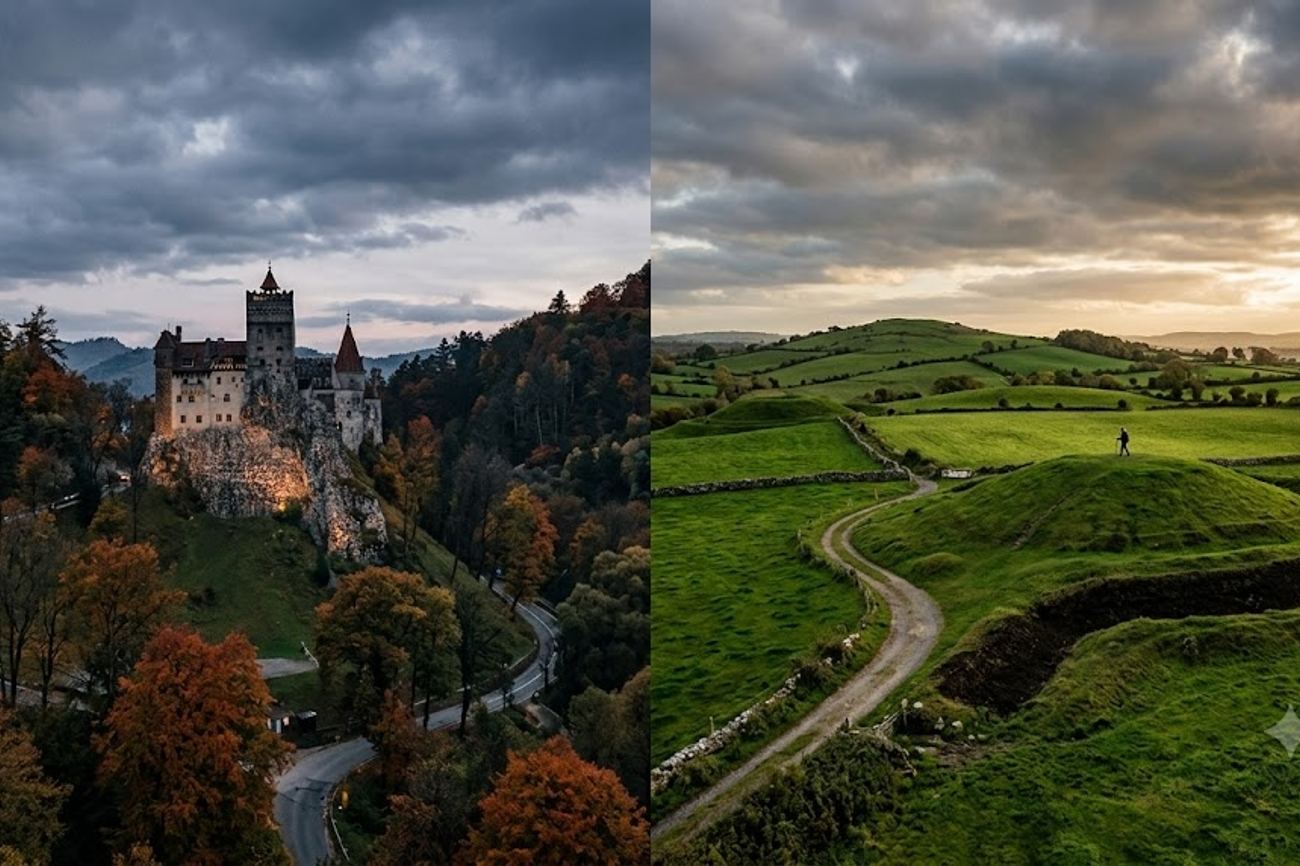
Image generated by AI
While most visitors associate Romania with the fictional bloodlust of Count Dracula, the actual historical figure who inspired the legend, Vlad III, had a relationship with Bran Castle that is far more complex and fragmented than the novels suggest. This tension between literary myth and historical reality is exactly what makes Transylvania a compelling destination for those who look past the kitsch. Across the continent, Ireland is playing a different game, leveraging the ancient Celtic roots of Samhain to transform County Meath into a living stage for the supernatural.
The Autumnal Pivot: From Summer Peaks to October Rituals
For decades, European tourism followed a rigid cycle: a frantic summer rush followed by a sharp decline in October. However, a strategic shift is occurring as Romania and Ireland engage in a productive rivalry to capture the "shoulder season" market. By leaning into their respective associations with the macabre and the mystical, both nations are successfully extending their economic windows.
In Ireland, the focus is on the Púca Festival, a celebration of living heritage. In Romania, the draw is the atmospheric weight of the Carpathians and the Gothic allure of Transylvania. This isn't just about costumes; it is about regional survival. By creating high-demand events in late October, these regions are directing vital spending away from saturated hubs like Dublin or Bucharest and into the hands of rural guesthouse owners, independent guides, and local artisans in places like County Meath and the villages surrounding Brașov.
What Makes These Regions Different
The experiential gap between these two destinations is vast. Transylvania is a destination of stone and shadow. The allure here is architectural and atmospheric. Bran Castle serves as the anchor, but the real magic lies in the surrounding Carpathian forests and the fortified towns that seem frozen in the medieval era. The experience is largely observational—exploring the narrow corridors of a fortress or hiking through autumn-gold forests that feel like they were plucked from a 19th-century novel.
Ireland, conversely, offers a participatory experience. The Púca Festival is not centered on a single monument but on a shared cultural memory. It is a sensory assault of fire, storytelling, and processions that move through the landscapes of Trim and Athboy. While Romania sells a legend, Ireland sells a ritual. The focus is on Samhain, the ancient Celtic marker of the harvest's end and the thinning of the veil between worlds. Visitors aren't just looking at history; they are walking through a modern interpretation of it.
Visitor Insider Tips
Navigating Transylvania If you are heading to Bran Castle, do not make the mistake of staying in the castle town itself, which can feel overly commercial. Instead, base yourself in Brașov. It is a sophisticated city with a genuine medieval core that provides a more authentic Romanian experience. From there, you can easily arrange transport to the castle. To avoid the heaviest crowds, aim for weekday visits in early October. Beyond the vampire narrative, make time for Sighișoara; it is one of the few inhabited citadels in the world and offers a deeper look into Saxon heritage. For transport, while trains are available, hiring a local driver is the only way to truly see the mountain communities and remote monasteries.
Experiencing County Meath The Púca Festival (scheduled for 29 October to 1 November 2026) is concentrated in Trim and Athboy. Because these are small towns, accommodation fills up months in advance. If you cannot find a room in Meath, look for options in the outer suburbs of Dublin and rent a car. Public transport exists, but the festival's spread across sites like the Hill of Ward makes a private vehicle essential for flexibility. When attending, embrace the "storytelling" aspect—seek out the smaller, less advertised folklore sessions in local pubs rather than just the main stages.
Regional Specialties to Try In Romania, look for Sarmale (cabbage rolls) and local Carpathian cheeses in the mountain markets. In Ireland, focus on the seasonal harvest foods available at the Púca markets, and ensure you sample a traditional Irish stew in a Trim pub to ward off the October chill.
Cultural and Environmental Context
The intersection of tourism and heritage in these regions reveals a delicate balance. In Romania, there is a constant tug-of-war between the "Dracula" brand and the actual history of the region. While the literary connection to Bram Stoker’s 1897 novel brings in hundreds of thousands of visitors, it often overshadows the genuine architectural and social history of the Transylvanian Saxons and the Romanian peasantry. The challenge for local authorities is to use the "vampire" hook to lead visitors toward a deeper understanding of the region's actual heritage.
Ireland faces a different challenge: the commodification of spirituality. Samhain was once a solemn marker of winter and death. The Púca Festival successfully modernizes this, but it does so by turning folklore into a spectacle. However, this "spectacularization" is what allows the traditions to survive in a modern context. By integrating contemporary music and comedy with ancient fire rituals, Ireland ensures that its mythology remains relevant to younger generations and international visitors, rather than becoming a static museum piece.
From a logistical standpoint, Romania has recently shifted the ease of access for European travelers. As of 1 January 2025, Romania removed land-border controls with other Schengen members, following the end of air and sea checks in March 2024. This makes it significantly easier to build a multi-country autumn itinerary, perhaps combining a visit to the UNESCO World Heritage sites in Romania with trips to Hungary or Austria. Ireland remains outside the Schengen area, meaning visitors must navigate separate entry requirements. Those planning a dual-destination trip should consult the official Irish tourism resources and the Romanian tourism portals to ensure their visas are in order.
FAQ: Visiting Romania and Ireland 2026
What is the best time to visit for Halloween events? For Ireland, the Púca Festival dates are 29 October to 1 November 2026. For Romania, the entire month of October is ideal for autumn colors and avoiding the peak summer crowds at Bran Castle.
Do I need a visa for both countries? It depends on your nationality. Romania is now part of the Schengen area (as of January 2025), while Ireland operates its own border controls. You must check the entry requirements for both separately.
How do I get to the Púca Festival from Dublin? The festival takes place in Trim and Athboy, County Meath. While some public transport is available, renting a car from Dublin Airport is the most efficient way to navigate between the various festival sites.
Is it safe for solo travelers? Yes, both regions are generally very safe. In Transylvania, stick to registered guides for remote hiking. In Ireland, the festival atmosphere is community-driven and welcoming to solo visitors.
Forget the plastic masks and store-bought gore; the real thrill is found in the silence of a Carpathian forest or the roar of a Meath bonfire.
Related Travel Guides
- Puerto Rico Stands AlongSide Dominican Republic Emerges As A Rising Caribbean Economic Hub Through Tourism Growth Technology And Talent Development
- Poland Keeps Pace With France and More in Fueling Albania Tourism Surge as Tirana Airport Records 9.2 Million Travellers in 2026
- Jamaica Steps Up With Saudi Arabia To Unlock New Air Connectivity Corridors And Transform Caribbean Tourism Growth
Disclaimer
This article is for informational and educational purposes only. It does not constitute legal, financial, or professional advice. While we strive to provide accurate and up-to-date information, travel policies, regulations, and conditions change rapidly. Always verify information with official sources before making travel decisions. Nomad Lawyer makes no representations about the accuracy, reliability, completeness, or suitability of the information provided. Readers should consult qualified professionals for advice specific to their circumstances. The views expressed in this article are those of the author and do not necessarily reflect the views of Nomad Lawyer.
Preeti Gunjan
Contributor & Community Manager
A passionate traveller and community builder. Preeti helps grow the Nomad Lawyer community, fostering engagement and bringing the reader experience to life.
Learn more about our team →