
Anfeh and Tyre Moves with Sharm El-Sheikh-Dahab and More in Middle East’s Green Tourism Revolution with Culture, Nature and Local Experiences
Anfeh and Tyre Moves with Sharm El-Sheikh-Dahab and More in Middle East’s Green Tourism Revolution with Culture, Nature and Local Experiences

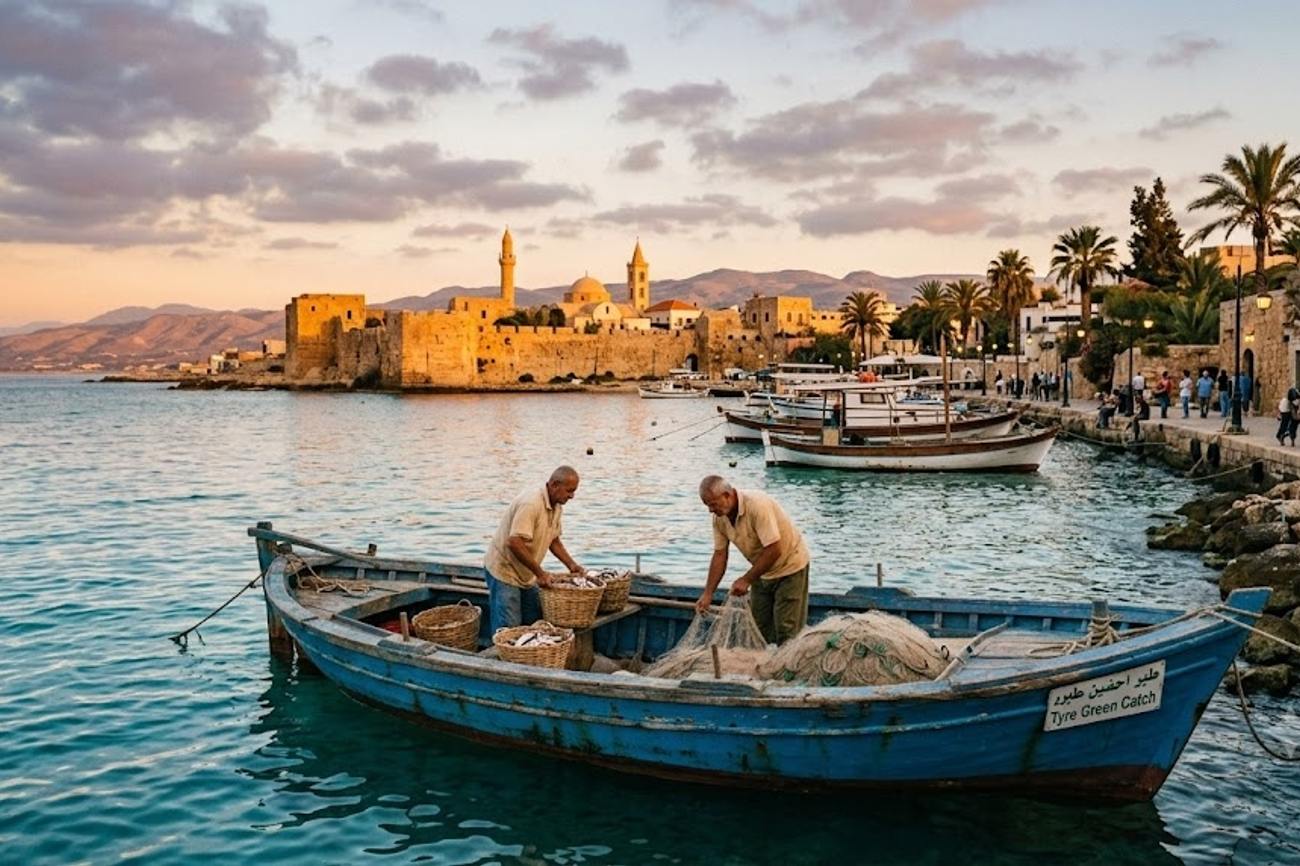
Image generated by AI
[Beirut, September 2026] — The United Nations World Tourism Organization (UNWTO) is launching a series of community-based eco-tourism projects across Lebanon and Egypt to pivot the region away from mass tourism toward a sustainable, nature-based economy.
The initiative targets high-risk ecological zones and historical sites, specifically focusing on the establishment of protected areas in Anfeh and Tyre, Lebanon, as well as Sharm el-Sheikh and Dahab, Egypt. This strategic shift follows a multi-national policy overhaul designed to mitigate the environmental degradation caused by decades of high-volume resort development and unchecked coastal expansion.
The Catalyst for Regional Reform
The transition toward "green tourism" in the Middle East and North Africa (MENA) region was accelerated by the COP27 summit held in Egypt. This event served as a turning point, prompting regional governments to integrate environmental infrastructure directly into the hospitality sector. The resulting legislative changes shifted the priority from extractive economic models—which relied on overcrowded archaeological sites and massive hotel complexes—to regenerative models.
By 2026, this policy shift has manifested as a decentralization of travel. Instead of concentrating millions of tourists in a few hyper-dense resort hubs, ministries of tourism are now dispersing visitors into rural and ecologically sensitive areas. This strategy is designed to reduce the physical strain on urban infrastructure while directing tourism revenue toward marginalized local communities.
The effort is supported by a network of international regulatory and environmental bodies, including the United Nations Development Programme (UNDP), the Global Environment Facility (GEF), and the IUCN Centre for Mediterranean Cooperation (IUCN-Med). These organizations are working to implement unified certification standards and knowledge-sharing networks to ensure that the pivot to sustainability is consistent across borders.
Areas of Immediate Impact
The current rollout focuses on specific coastal and heritage sites where the balance between tourism and preservation is most critical.
| Location | Primary Focus | Key Project/Entity |
|---|---|---|
| Anfeh, Lebanon | Phoenician salt pans & migratory bird habitats | Friends of Nature (FON) |
| Tyre, Lebanon | Community-based eco-tourism & protected areas | UNWTO / Ministry of Tourism |
| Sharm el-Sheikh, Egypt | Coral reef preservation & nature-based tourism | UNWTO / Egyptian Govt |
| Dahab, Egypt | Protected marine areas & sustainable diving | UNWTO / Egyptian Govt |
In Lebanon, the "Blue Tourism Initiative" has been operating as a pilot program from January 2025 through March 2026. Managed by the Lebanese Ministry of Tourism and IUCN-Med, the program addresses the rapid warming of the Mediterranean Sea by replacing mass coastal development with low-impact, high-value travel options.
What This Means for Travelers
For passengers booking trips to Lebanon or Egypt, the "Green Revolution" translates to a fundamental change in how destinations are accessed and experienced. The era of unrestricted mass access to fragile sites is ending, replaced by a regulated, itinerary-based approach.
1. Shift in Accommodations: Travelers will find a decrease in the promotion of massive, all-inclusive resort complexes and an increase in community-led lodging and eco-lodges. The focus is now on "low-impact" stays that contribute directly to habitat restoration.
2. Regulated Access: Certain areas, particularly the coral reefs of the Red Sea and the salt pans of Anfeh, are becoming "protected areas." This means visitors may be required to follow specific, community-led trails or hire certified local guides. Unsanctioned exploration of these zones is likely to be strictly prohibited to prevent biodiversity loss.
3. New Itineraries: In locations like Anfeh, the traditional tourist experience is being replaced by "cultural itineraries." These routes connect historical landmarks—such as the ancient Phoenician salt works—with nature preserves, emphasizing the narrative of ecological balance over simple sightseeing.
4. Higher Value, Lower Volume: The regional strategy is moving toward "high-value" tourism. While this may mean higher costs for certain specialized eco-tours, the experience is designed to be less crowded and more authentic, with a larger percentage of the spend remaining within the local community.
The Path Toward 2027
The current projects in Anfeh and Tyre are part of a broader timeline that concludes its initial phase in March 2026, with the UNWTO projects in September 2026 acting as the next scaling phase. The goal is to move from pilot programs to a permanent regional framework for "Blue Tourism."
In Anfeh, the "Strengthening Tourism and Governance of the Cultural Heritage" project, led by Friends of Nature (FON), has already trained over 30 local stakeholders. These residents are being transformed into official ambassadors of their heritage, ensuring that the governance of the salt pans remains in the hands of the community rather than external developers.
As these models prove successful, the World Tourism Organization (UNWTO) intends to export these frameworks to other MENA nations, creating a standardized "green corridor" for sustainable travel across the Mediterranean and Red Sea basins.
FAQ: Middle East Sustainable Tourism 2026
Do I need special permits to visit the new protected areas in Lebanon and Egypt? In many cases, yes. Areas like the Anfeh salt pans and specific Red Sea reefs now require guided access through certified local operators to ensure environmental protections are maintained. Check with your tour provider for current permit requirements.
Will these eco-tourism changes make travel more expensive? The region is shifting toward a "high-value, low-impact" model. While boutique eco-lodges and certified guides may cost more than mass-market resorts, these fees typically fund direct conservation and community development.
What is "Blue Tourism" and how does it affect my trip? Blue Tourism focuses on the sustainable use of ocean and coastal resources. For travelers, this means more opportunities for nature-based activities (like birdwatching in Anfeh or sustainable diving in Dahab) and fewer massive coastal developments.
Are the historical sites still open to the public? Yes, but the way you visit them is changing. Instead of unrestricted crowds, you will find curated cultural itineraries and community-led trails designed to protect the physical integrity of sites like the Phoenician salt works.
The transition from mass consumption to mindful exploration is no longer optional for the Middle East; it is a survival strategy.
#LebanonTourism2026 #EgyptEcoTourism #UNWTO #BlueTourism #AnfehSaltPans #RedSeaConservation
Related Travel Guides
- Mecca Teams up with Riyadh and More in Fueling Saudi Arabia Tourism Revenue Despite Tourist Arrivals Falling Short by 13% in 2026
- Jamaica and Bahamas Tourism Enter New Era as Royal Caribbean Takes 50% Sandals Stake in US$3 Billion Deal
- Ninh Binh Tourism Boom in Vietnam Puts Trang An’s UNESCO Landscape Under Mounting Visitor Pressure
Disclaimer
This article is for informational and educational purposes only. It does not constitute legal, financial, or professional advice. While we strive to provide accurate and up-to-date information, travel policies, regulations, and conditions change rapidly. Always verify information with official sources before making travel decisions. Nomad Lawyer makes no representations about the accuracy, reliability, completeness, or suitability of the information provided. Readers should consult qualified professionals for advice specific to their circumstances. The views expressed in this article are those of the author and do not necessarily reflect the views of Nomad Lawyer.
Naina Thakur
Contributor & Travel Specialist
Travel enthusiast and legal writer covering visa regulations, responsible tourism, and cultural journeys across global destinations.
Learn more about our team →