
Mecca Teams up with Riyadh and More in Fueling Saudi Arabia Tourism Revenue Despite Tourist Arrivals Falling Short by 13% in 2026
Mecca Teams up with Riyadh and More in Fueling Saudi Arabia Tourism Revenue Despite Tourist Arrivals Falling Short by 13% in 2026

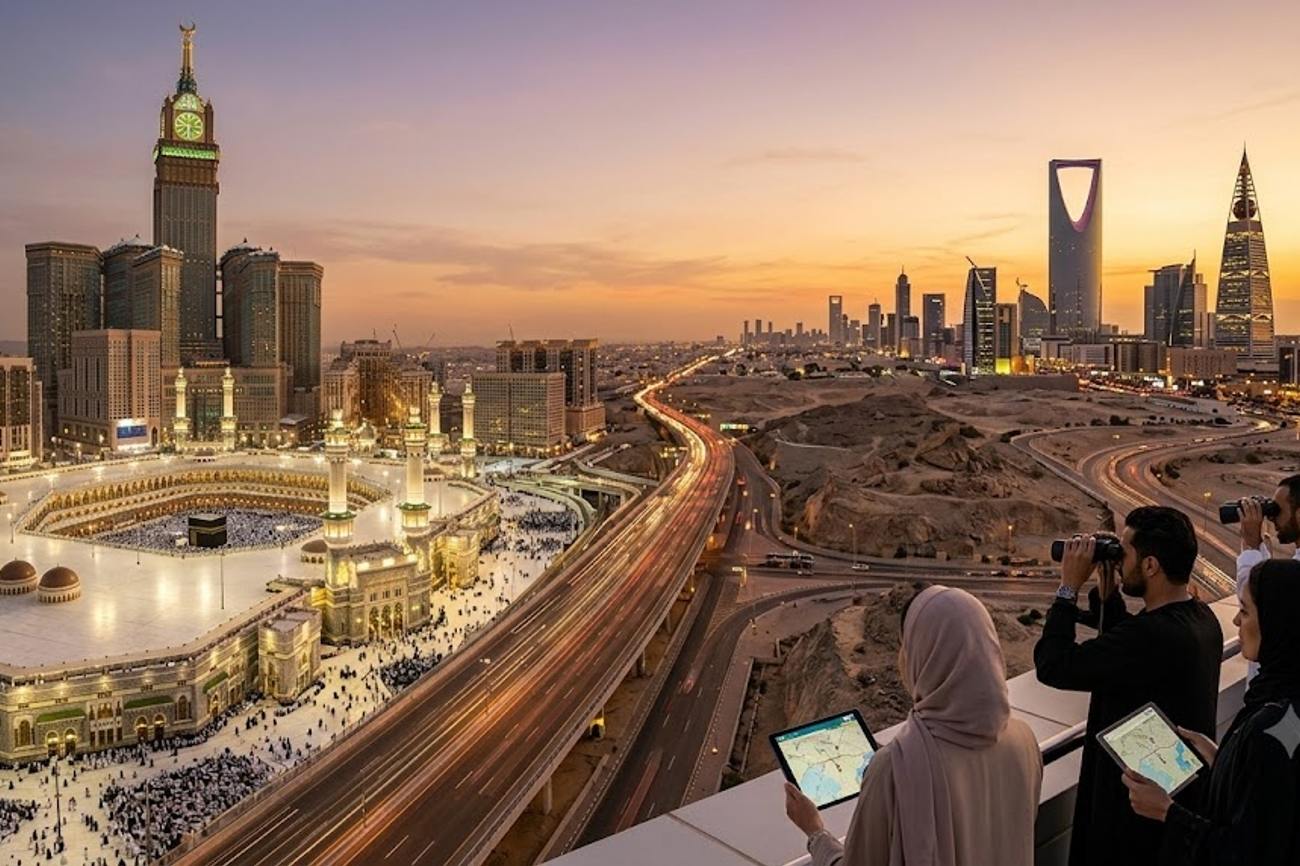
Image generated by AI
[Riyadh, April 2026] — Saudi Arabia's tourism sector has demonstrated unexpected resilience in the first quarter of 2026, with a surge in domestic travel effectively neutralizing a 13 percent collapse in international arrivals.
The decline in inbound visitors, which fell to 8.3 million in the first three months of the year, was triggered by escalating geopolitical instability across the Middle East. However, according to official data released by the Ministry of Tourism, a massive mobilization of the local population resulted in 28.9 million domestic trips, driving the total combined tourism volume up by 8 percent to 37.2 million visitors.
Geopolitical Volatility and Aviation Disruptions
The 13 percent drop in international arrivals is the direct result of regional tensions, specifically conflicts involving Iran, which have destabilized traditional air corridors. These geopolitical frictions forced several global carriers to reroute or suspend flights, drastically cutting aviation capacity into the Kingdom. This operational instability was compounded by strict travel advisories issued by Western governments, which deterred long-haul travelers from booking trips to the region.
Despite the lower volume of arrivals, the financial impact was softened by a shift toward high-value tourism. While fewer foreigners entered the country, those who did spent more. Average individual expenditure rose by approximately 6 percent year-on-year, reaching SAR 5,780 (approximately USD 1,540) per visitor. This suggests that the current international visitor profile is shifting toward premium travelers who engage in longer, more expensive stays, mitigating the loss of mass-market tourism.
Markets and Metrics: Q1 2026 Impact
The following data outlines the specific shifts in the Saudi travel market during the first quarter of 2026:
| Metric | Value/Change | Context |
|---|---|---|
| International Arrivals | 8.3 Million | 13% decrease vs Q1 2025 |
| Domestic Trips | 28.9 Million | 16% increase vs Q1 2025 |
| Total Tourism Volume | 37.2 Million | 8% overall increase |
| Avg. International Spend | SAR 5,780 | 6% increase per person |
| Domestic Volume Share | 78% | Percentage of total Q1 trips |
| Holiday Overnight stays | 10.0 Million | 14% increase during Ramadan/Eid |
The sheer scale of internal mobility has acted as an economic shock absorber. The Kingdom's reporting methodology counts every individual weekend break as a separate trip, meaning high-frequency local travel has provided a critical buffer. During the Ramadan and Eid school vacations, domestic overnight tourism hit 10 million visitors, ensuring that the hospitality and food-and-beverage sectors remained solvent despite the international shortfall.
Practical Traveler Advisory and Strategic Insights
For those currently booking or planning travel to Saudi Arabia, the current environment presents a dichotomy of accessibility and availability.
For International Travelers: Expect continued volatility in flight schedules. Because major carriers are rerouting to avoid conflict zones, flight durations may increase and ticket prices may fluctuate. Travelers should maintain flexible bookings and closely monitor updates from the International Air Transport Association (IATA) regarding airspace closures. However, the shift toward "premium tourism" means that luxury infrastructure and high-end services in Riyadh and Jeddah remain fully operational and highly prioritized.
For Regional and Domestic Travelers: The surge in domestic demand means that peak travel windows—particularly around religious holidays—will see extreme pressure on hotel inventory. Travelers heading to Mecca or Riyadh should expect higher occupancy rates and potential price surges for accommodation. The infrastructure is holding, but the 16 percent increase in domestic volume suggests that "last-minute" booking is no longer a viable strategy for major cities.
The Role of the Urban Engines
The stability of the 2026 economy rests on the performance of Riyadh and Mecca. These cities function as the primary drivers of the Vision 2030 economic goals, diversifying the nation's revenue away from oil.
Mecca continues to be the bedrock of the industry, with religious tourism accounting for roughly 20 percent of all national tourism activity. Even as international borders tightened, domestic and regional pilgrims ensured the holy city remained a high-traffic zone. Simultaneously, Riyadh has evolved into a hub for modern entertainment and corporate travel, absorbing the domestic overflow and maintaining the momentum of the National Tourism Strategy.
This structural transition was prepared during 2025, a year that saw a record 122.6 million combined tourist trips. That groundwork allowed the Kingdom to pivot rapidly when the 2026 geopolitical crisis hit. Rather than facing a systemic collapse, the industry shifted its reliance from foreign markets to a loyal and active internal consumer base.
Future Outlook and Stability
The immediate focus for the Saudi tourism board is the stabilization of international air corridors. While domestic travel has saved the first quarter, the long-term goals of Vision 2030 require a return to robust international growth to achieve full economic diversification.
Analysts are watching for a potential "rebound effect" in the second half of 2026. If regional tensions ease, the existing infrastructure—which was expanded to handle the 2025 record highs—will be positioned to absorb a massive influx of pent-up international demand. For now, the strategy remains focused on "high-value" arrivals over "high-volume" arrivals, prioritizing the SAR 5,780 average spend over raw visitor counts.
FAQ: Saudi Arabia Travel 2026
Why have international flights to Saudi Arabia been disrupted? Regional geopolitical instability and conflicts involving Iran have led carriers to reroute or suspend flights to ensure safety, reducing the total number of available seats into the Kingdom.
Is it still safe to visit Mecca and Medina? Yes. These cities remain the primary drivers of the tourism economy, with religious tourism continuing to account for 20 percent of all activity in the country.
How has the cost of travel changed for international visitors? While visitor numbers are down, average spending has risen to SAR 5,780 per person, reflecting a trend toward more luxury and long-term stays.
Are hotels in Riyadh and Mecca fully booked? During peak periods like Ramadan and Eid, domestic demand is extremely high. It is recommended to book accommodations well in advance due to a 16 percent surge in domestic trips.
The Kingdom is betting that local loyalty can weather a global storm.
Related Travel Guides
- Jamaica and Bahamas Tourism Enter New Era as Royal Caribbean Takes 50% Sandals Stake in US$3 Billion Deal
- Ninh Binh Tourism Boom in Vietnam Puts Trang An’s UNESCO Landscape Under Mounting Visitor Pressure
- Johannesburg Joins Cape Town and Other Regions in Skyrocketing South Africa Tourism with a Surge in Tourist Arrivals During the Third Quarter of 2026
Disclaimer
This article is for informational and educational purposes only. It does not constitute legal, financial, or professional advice. While we strive to provide accurate and up-to-date information, travel policies, regulations, and conditions change rapidly. Always verify information with official sources before making travel decisions. Nomad Lawyer makes no representations about the accuracy, reliability, completeness, or suitability of the information provided. Readers should consult qualified professionals for advice specific to their circumstances. The views expressed in this article are those of the author and do not necessarily reflect the views of Nomad Lawyer.
Naina Thakur
Contributor & Travel Specialist
Travel enthusiast and legal writer covering visa regulations, responsible tourism, and cultural journeys across global destinations.
Learn more about our team →