
Florida Aligns With New York And More As US Tourism Faces New Pressure As Canada Moves Closer To Europe
Florida Aligns With New York And More As US Tourism Faces New Pressure As Canada Moves Closer To Europe

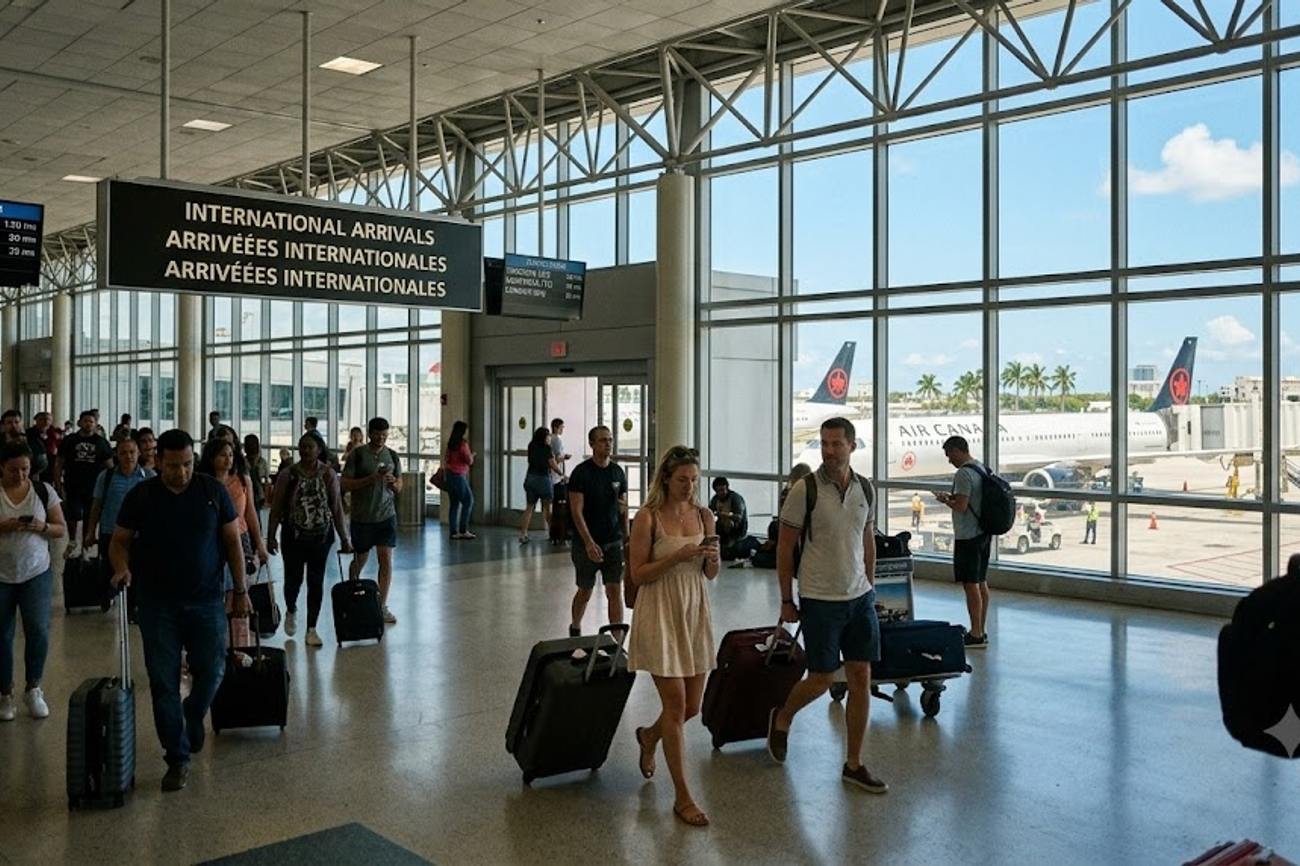
Image generated by AI
[Washington, D.C., May 2024] — The United States tourism industry is facing a strategic threat as Canada and the European Union pursue a deeper partnership that could divert millions of Canadian travelers away from American destinations. While no formal travel bans or restrictions are in place, the shift toward enhanced Canada-EU mobility and economic cooperation is creating a competitive environment that threatens the traditional dominance of U.S. border states and winter hubs.
Canadian leadership is currently advocating for a comprehensive strategic partnership with the EU, focusing on critical minerals, digital technology, energy, and security. However, the "people-to-people" component of these negotiations is what has alarmed U.S. tourism stakeholders. By strengthening cultural exchange programs and expanding airline connectivity, Canada and Europe are positioning themselves to capture a larger share of the Canadian travel budget, which has historically flowed south into the United States.
The Canada-EU Strategic Pivot
The current friction stems from a deliberate effort by Canadian officials to diversify their international engagement. While Canadian citizens already enjoy streamlined access to the Schengen Area for short-term stays, the new push aims to institutionalize deeper ties. This isn't merely about diplomacy; it is about creating a systemic shift in traveler preference.
The proposed framework focuses on five primary drivers that could erode U.S. market share:
- Enhanced Air Connectivity: The development of more direct and affordable flight paths between Canadian hubs and European capitals.
- Targeted Promotion: Coordinated tourism campaigns designed to make European destinations more attractive to the Canadian middle and upper classes.
- Investment Cooperation: Increased business ties that naturally lead to a rise in corporate travel and professional exchanges.
- Cultural Exchange: New programs aimed at fostering educational and artistic links between the two regions.
- Mobility Expansion: Ongoing discussions to further simplify the movement of people for business and leisure.
Markets Under Pressure
The impact of this shift is not uniform across the U.S. Instead, it targets specific regional economies that have become overly dependent on the "Canadian corridor."
| U.S. Region | Primary Canadian Draw | European Competitor | Risk Level |
|---|---|---|---|
| Florida | Winter escapes, Cruises | Spain, Portugal, Italy | High |
| New York | Shopping, Broadway, Culture | London, Paris, Barcelona | Medium |
| Michigan | Cross-border retail, Sports | EU Urban Hubs | Medium |
| Maine/Vermont | Nature, Skiing, Coastal | Swiss/French Alps | Low-Medium |
| Alaska/Washington | Adventure, Outdoors | Nordic Countries | Low-Medium |
The Florida Vulnerability
Florida remains the most exposed market. The state's economy relies heavily on "snowbirds"—Canadians who relocate for several months during the winter. Major hubs including Miami, Orlando, Fort Lauderdale, and Tampa Bay are particularly susceptible. If the European Union successfully markets the Mediterranean coast as a viable winter alternative, Florida’s hotels, vacation rentals, and cruise terminals could see a measurable dip in occupancy.
The New York Urban Battle
New York City is locked in a direct competition for the "global city" experience. Canadian travelers frequently visit Manhattan for high-end retail and theater. However, as Canada-EU ties tighten, the incentive to spend those same dollars in London or Paris increases. This puts direct pressure on Broadway tourism and the luxury hotel sector in Manhattan.
The Border State Squeeze
In Michigan, the Detroit-Windsor corridor is a vital economic artery. The tourism model here is based on convenience and proximity. While a trip to Europe cannot replace a weekend shopping trip to Detroit, a general shift in Canadian consumer spending habits toward international travel could reduce the frequency of these short-distance cross-border visits.
Practical Traveler Advisory and Strategic Insights
For the average traveler, this geopolitical shift does not mean flights are being cancelled or visas are being denied. Instead, it signals a change in the "value proposition" of travel.
For Canadian Travelers: Expect to see more aggressive marketing from European tourism boards and potentially more competitive airfares as airlines vie for the Canada-EU route. There may be new incentives for cultural and educational exchanges that make Europe a more attractive alternative to the traditional U.S. vacation.
For U.S. Tourism Operators: The era of "passive" Canadian tourism is ending. Hotels in Florida and retail centers in Michigan can no longer rely solely on proximity. To maintain their market share, U.S. destinations will likely need to implement more aggressive loyalty programs and diversify their international marketing to attract visitors from other regions to offset potential Canadian losses.
For International Flight Bookers: Increased competition between North American and European carriers often leads to price volatility followed by long-term stabilization. Travelers may see a surge in new route options connecting Canadian cities directly to secondary European cities, bypassing traditional hubs.
The Path to Competition
The transition is not immediate, but the trajectory is clear. The U.S. tourism industry is now entering a phase of active competition with the European continent for the Canadian wallet. The Federal Aviation Administration (FAA) and other regulatory bodies will be monitoring how air traffic patterns shift if Canadian carriers increase their transatlantic capacity.
The next 24 to 36 months will be critical. As Canada and the EU finalize their mobility agreements, the U.S. will have to decide whether to respond with its own incentives or risk a permanent migration of Canadian tourist spending. The focus will likely shift toward "experience-based" tourism—creating offerings that cannot be replicated in the Mediterranean or the Alps.
FAQ: Canada-EU Tourism Shift 2024
Are there new travel restrictions for Canadians entering the U.S.? No. There are no new bans or restrictions. The current situation is a matter of market competition and traveler preference, not legal barriers or border closures.
Will flight prices between Canada and the U.S. increase? Not necessarily. However, if more Canadian travelers choose Europe, airlines may shift capacity toward transatlantic routes, which could affect the frequency of certain regional flights.
Which U.S. states are most at risk? Florida is the most vulnerable due to its reliance on winter visitors. New York, Michigan, Maine, and Vermont also face risks due to their heavy dependence on Canadian leisure and business travel.
How does this affect the cruise industry? Florida’s cruise hubs (Miami and Fort Lauderdale) could see a decline if Canadians opt for Mediterranean cruises, which offer similar luxury and climate profiles.
The battle for the Canadian traveler is moving from the border to the boardroom.
Related Travel Guides
- Italy Outpaces Spain, Germany, and Other European Places as New Research Says Positano Beach is the Most Instagrammable Destination
- Croatia Joins Italy And More To Spotlight Dubrovnik Beaches For Diverse Adriatic Travel Experiences
- Sydney Turns Pandemic Dining Into Permanent Street Culture With $20 Million Tourism Upgrade
Disclaimer
This article is for informational and educational purposes only. It does not constitute legal, financial, or professional advice. While we strive to provide accurate and up-to-date information, travel policies, regulations, and conditions change rapidly. Always verify information with official sources before making travel decisions. Nomad Lawyer makes no representations about the accuracy, reliability, completeness, or suitability of the information provided. Readers should consult qualified professionals for advice specific to their circumstances. The views expressed in this article are those of the author and do not necessarily reflect the views of Nomad Lawyer.
Raushan Kumar
Founder & Lead Developer
Full-stack developer with 11+ years of experience and a passionate traveller. Raushan built Nomad Lawyer from the ground up with a vision to create the best travel and law experience on the web.
Learn more about our team →