
Italy Outpaces Spain, Germany, and Other European Places as New Research Says Positano Beach is the Most Instagrammable Destination
Italy Outpaces Spain, Germany, and Other European Places as New Research Says Positano Beach is the Most Instagrammable Destination

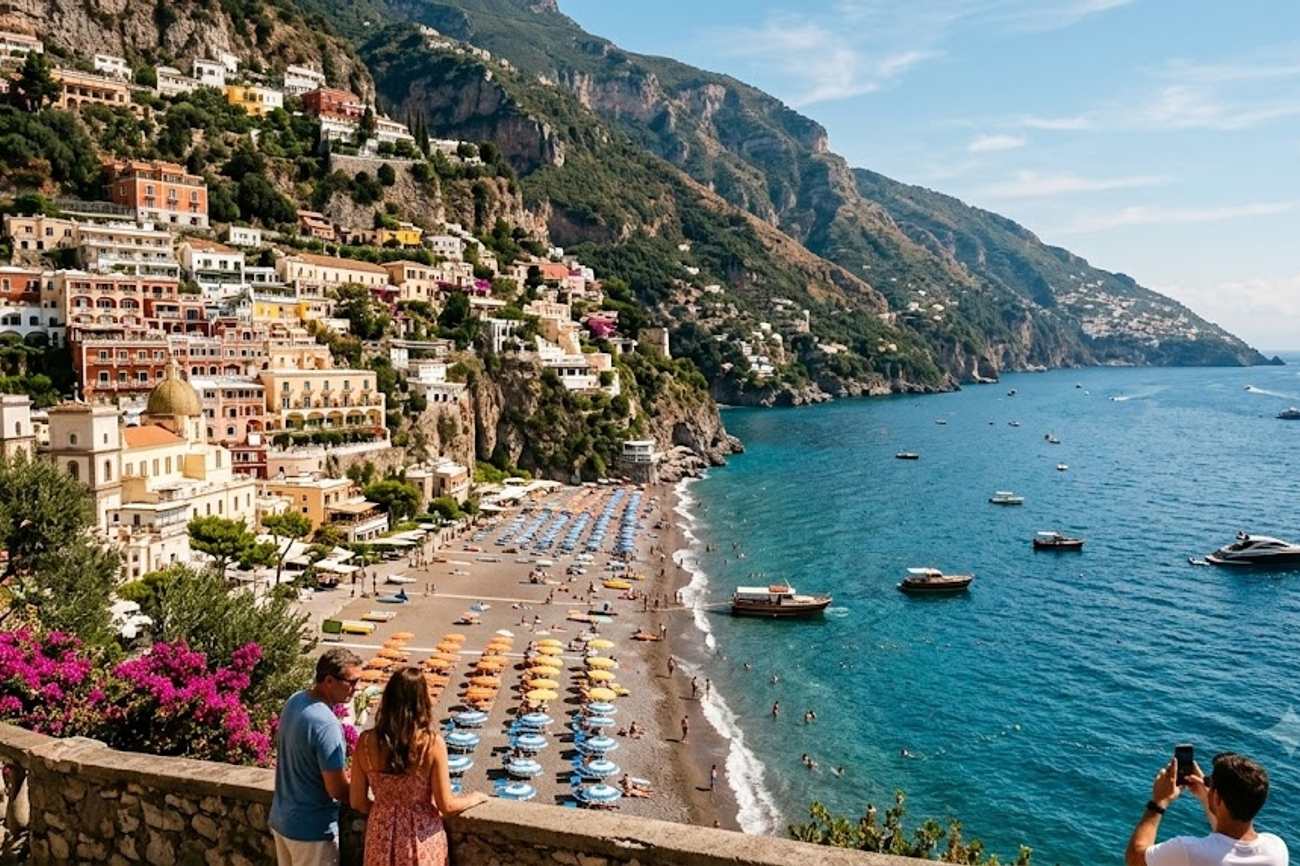
Image generated by AI
Are you planning a trip to Europe's most photographed coastlines and wondering how to actually navigate the logistics of these high-traffic zones? While social media highlights the aesthetic appeal of places like Positano and Étretat, the reality of visiting these "Instagrammable" spots involves complex transit hurdles, strict access regulations, and specific timing requirements.
The Shift Toward Visual Tourism Logistics
The current travel trend in Europe is shifting toward "visual tourism," where destinations are selected based on their social media footprint. According to data from weloveholidays, Positano Beach currently leads Europe in destination-level visibility with over 2.5 million Instagram hashtag posts. This is closely followed by Cinque Terre, which has recorded more than 2.4 million posts.
However, there is a logistical distinction between a "destination" and a "beach." While Positano and Cinque Terre dominate as overall regions, specific natural landmarks lead the beach-only category. Étretat Beach in France is the primary example here, with over 406,000 posts, followed by Durdle Door in England with more than 265,000 posts, and La Pelosa Beach in Sardinia with a third-place ranking.
For the traveler, this means that visiting a "destination" (like Positano) requires planning for urban congestion and hillside navigation, whereas visiting a "beach" (like Étretat) requires planning for geological terrain and remote access.
Route and Schedule Details
Navigating these high-density coastal areas requires an understanding of the primary transit hubs and the modes of transport that actually work during peak seasons.
| Route | Primary Transit Mode | Frequency | Typical Duration | Status |
|---|---|---|---|---|
| Naples $\rightarrow$ Positano | SITA Bus / Ferry | Hourly (Seasonal) | 1.5 - 2 Hours | High Congestion |
| La Spezia $\rightarrow$ Cinque Terre | Cinque Terre Express | Every 15-30 Mins | 10-20 Mins per village | High Volume |
| Barcelona $\rightarrow$ Sitges | Rodalies R2 Sud Train | Every 30 Mins | 35-45 Mins | Efficient |
| Le Havre $\rightarrow$ Étretat | Regional Bus | Scheduled | 45-60 Mins | Limited |
| Weymouth $\rightarrow$ Durdle Door | Bus / Private Hire | Scheduled / On-Demand | 30-45 Mins | Remote |
| Alghero $\rightarrow$ La Pelosa | Local Bus / Shuttle | Seasonal | 30-60 Mins | Restricted Access |
Traveler Logistics Guide
Visiting these locations requires more than just a ticket; it requires a strategic approach to avoid the crowds that generate those millions of posts.
1. Navigating the Amalfi Coast (Positano) To reach Positano, avoid renting a car. The roads are narrow, and parking is nearly non-existent. The most efficient method is taking a ferry from Naples or Sorrento, which allows you to avoid the winding coastal roads. If you use the SITA bus, buy your tickets at a Tabacchi shop before boarding, as drivers rarely sell them. For those arriving via Naples, check the Trenitalia schedules for the regional train to Sorrento, then transfer to a ferry.
2. Managing Cinque Terre Access The five villages are best navigated via the Cinque Terre Express train. Do not attempt to drive into the villages, as they are largely pedestrianized. Purchase a Cinque Terre Card, which covers all train travel between the villages and provides access to the hiking trails. Be aware that some trails now require a paid reservation during peak summer months to prevent overcrowding.
3. Accessing Remote Beaches (Étretat and Durdle Door) For Étretat, the most reliable connection is via the city of Le Havre. From there, regional buses are the primary link. Once you arrive, the walk to the cliffs is straightforward, but wear sturdy footwear; the chalk cliffs are slippery. For Durdle Door, the most practical approach is using a base in Weymouth. Since there is no direct train to the beach, you must rely on local bus services or a pre-booked taxi.
4. Special Entry Requirements for La Pelosa Unlike most European beaches, La Pelosa in Sardinia often implements a quota system to protect its ecosystem. You cannot simply show up; you must book your entry slot online in advance. Failure to do so will likely result in being turned away at the entrance.
According to recent research, Positano Beach in Italy has been named the most Instagrammable destination, surpassing popular spots in Spain, Germany, and other European countries. For travelers planning to visit Positano, it is recommended to fly into Naples International Airport, which provides convenient connections to the Amalfi Coast, and more information can be found on the official airport website. The airport offers a range of services, including car rentals and shuttle buses, to help passengers reach their final destination.
5. Digital Coordination For all Mediterranean routes, use digital ticketing to bypass long queues. In Spain, the Renfe app is essential for the Barcelona to Sitges corridor. In Italy, using a digital wallet for contactless payments is now standard for almost all urban transit and ferries.
Regional Connectivity Impact
The extreme popularity of these sites is reshaping how regional transit is managed. In Italy, the surge in visitors to Positano and Cinque Terre has led to a "de-carring" of the coast, where local authorities prioritize rail and sea transport over private vehicles. This makes the regions more sustainable but increases the reliance on the efficiency of the regional rail networks.
In Northern Europe, the inclusion of Sylt (ranked 4th) and Rügen (ranked 8th) in the Instagram rankings shows that coastal tourism is expanding beyond the Mediterranean. This has prompted increased investment in ferry links and regional rail in Germany to accommodate the shift toward "nature-based" visual tourism.
In France and England, the focus on specific geological landmarks like the arches of Étretat and Durdle Door has created "bottleneck tourism." Because these sites are single points of interest rather than sprawling towns, the ground transport infrastructure (small parking lots and narrow lanes) often struggles to keep up with the volume of visitors arriving for a single photograph.
FAQ: European Coastal Transit 2024
Do I need a transit visa for these regions? If you are traveling within the Schengen Area (Italy, Spain, France, Germany), no internal visas are required. However, ensure your passport is valid for at least six months beyond your stay.
How long should a layover be when connecting to these coasts? If connecting from a major hub like Naples or Barcelona to a coastal town, allow at least 4 hours. Regional transport (ferries and local buses) is subject to seasonal delays and long boarding queues.
Can I check bags through to my coastal hotel? Generally, no. Regional trains and ferries in these areas do not offer luggage transfer services. Use lockers at the main stations (e.g., La Spezia or Sorrento) if you have a gap between your arrival and hotel check-in.
Is it possible to visit multiple "Instagrammable" beaches in one trip? Yes, but they are geographically dispersed. You can easily combine Positano and Cinque Terre via a train journey from Salerno to La Spezia, but adding Étretat or Durdle Door would require separate flights or long-distance rail.
Plan for the crowd, not the photo, to ensure your transit is as seamless as the scenery.
Related Travel Guides
- Croatia Joins Italy And More To Spotlight Dubrovnik Beaches For Diverse Adriatic Travel Experiences
- Sydney Turns Pandemic Dining Into Permanent Street Culture With $20 Million Tourism Upgrade
- South Africa Teams Up With Seychelles In Leading September Tourism Surge As African Nations Target Travellers With Culture And Luxury Experiences
Disclaimer
This article is for informational and educational purposes only. It does not constitute legal, financial, or professional advice. While we strive to provide accurate and up-to-date information, travel policies, regulations, and conditions change rapidly. Always verify information with official sources before making travel decisions. Nomad Lawyer makes no representations about the accuracy, reliability, completeness, or suitability of the information provided. Readers should consult qualified professionals for advice specific to their circumstances. The views expressed in this article are those of the author and do not necessarily reflect the views of Nomad Lawyer.
Preeti Gunjan
Contributor & Community Manager
A passionate traveller and community builder. Preeti helps grow the Nomad Lawyer community, fostering engagement and bringing the reader experience to life.
Learn more about our team →