
America’s Christmas Market Economy Is Keeping Festive Travel Spending at Home
America’s Christmas Market Economy Is Keeping Festive Travel Spending at Home

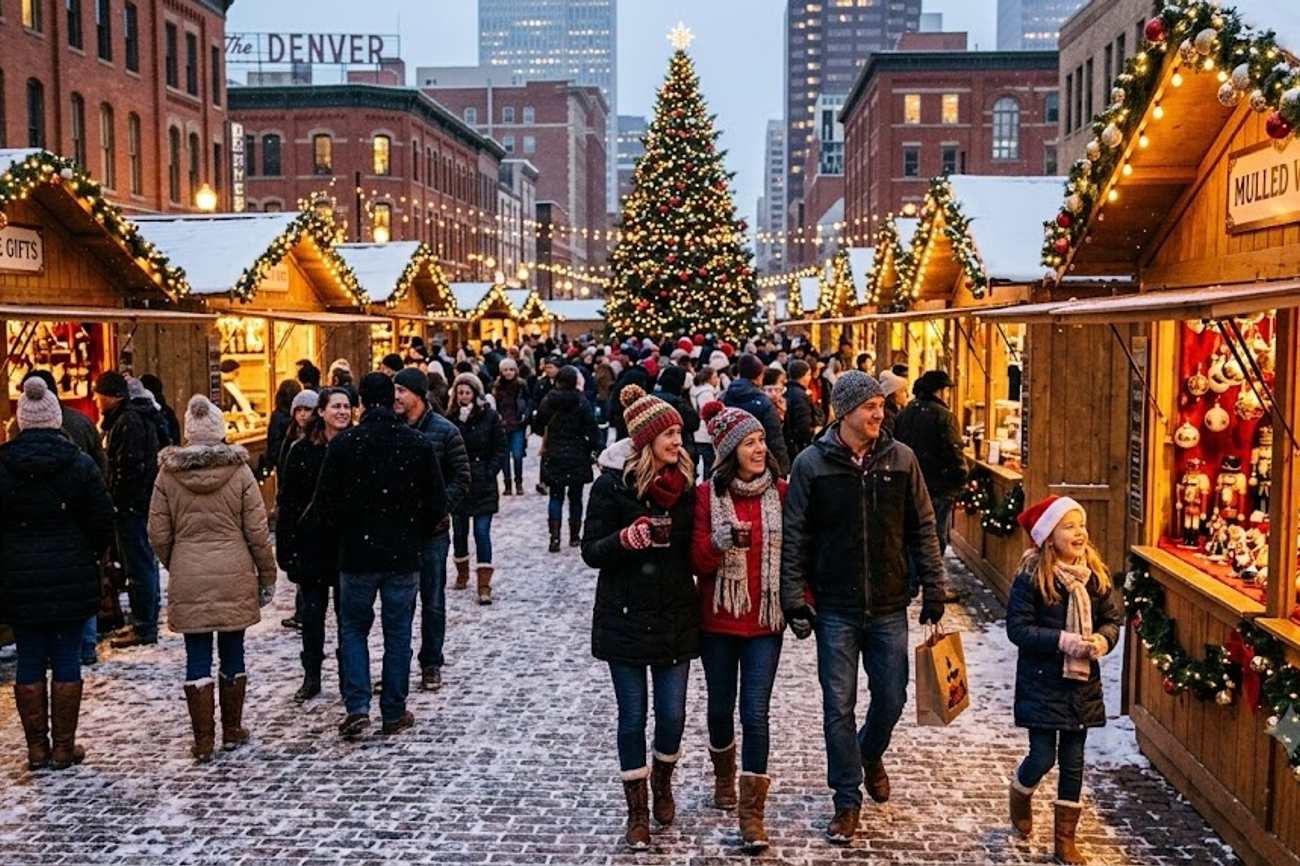
Image generated by AI
45 rotating vendors at the Holland Kerstmarkt serve as a microcosm of a broader shift in American domestic travel: the transformation of the European-style Christmas market from a niche cultural curiosity into a primary driver of winter urban tourism. While historically these markets were the exclusive domain of cities like Nuremberg, Vienna, Strasbourg, and Cologne, a strategic adaptation of the model is now fueling a domestic economy that leverages heritage, immersive experiences, and extended seasonal calendars to capture traveler spend.
The Architecture of Seasonal Tourism Extension
The migration of the Christmas market model to the United States is not merely a cultural trend but a calculated economic strategy designed to solve the "winter dip" in tourism. In many American destinations, the period between November and January represents a significant lull in visitor numbers. By implementing the European model—characterized by dismantleable wooden stalls and curated artisan experiences—cities are creating "anchor attractions" that justify travel during the coldest months of the year.
The U.S. Bureau of Economic Analysis provides the macroeconomic backdrop for this growth, reporting that real travel and tourism output surged by 20.8% in 2022, followed by a further 7% increase in 2023. While specific data for Christmas markets is not isolated in national statistics, the correlation between these events and the rise in regional short-breaks is evident. The strategy is most visible in mid-sized destinations like Holland, Michigan. The Kerstmarkt, which launched in 1997 with a modest 10 booths, has evolved into a sophisticated operation that uses a rotating vendor system to incentivize repeat visits and diversify the economic benefit across a wider array of independent artists and food producers.
Regional Diversification and Market Logistics
The current American market landscape is segmented by cultural identity, allowing different cities to capture different traveler demographics. Rather than offering a monolithic "holiday fair," destinations are leveraging specific ethnic and historical ties to create unique value propositions.
| Destination | Primary Cultural Theme | Strategic Tourism Opportunity |
|---|---|---|
| Chicago, IL | German (Christkindlmarket) | High-density urban winter breaks |
| Holland, MI | Dutch (Kerstmarkt) | Regional cultural tourism |
| Solvang, CA | Danish (Julefest) | Warm-weather festive travel |
| San Francisco, CA | Victorian | Immersive cultural tourism |
| Philadelphia, PA | European-style | Heritage and food-centric travel |
| New York, NY | Multi-market (Bryant Park/Union Sq) | Multi-day urban holiday circuits |
| Arlington, TX | German-inspired | Southwest family-oriented travel |
| Washington DC | Artisan/Downtown | Museum-integrated shopping |
| Providence, RI | Local Artisan | Short-haul regional excursions |
In Chicago, the Christkindlmarket has optimized its operational window to maximize revenue. By scheduling the Wrigleyville market from 20 November to 31 December 2026, the organizers are capturing the "Post-Christmas/Pre-New Year" travel window—a period traditionally ignored by markets that close on December 24. This extension transforms the event from a shopping trip into a New Year’s tourism product, integrating it with the broader Winterland experience at Gallagher Way to attract families and multi-day visitors.
Expert Analysis: The Multiplier Effect of "Free" Entry
For the average traveler, the appeal of these markets is often the low barrier to entry; most markets allow visitors to enter for free. However, from a business and legal perspective, the "free" entry is a loss-leader designed to trigger a massive secondary spend. This is known in tourism economics as the multiplier effect.
For travelers booking these routes, the direct consequence is a shift in how they budget for holiday trips. The market itself is the catalyst, but the actual economic impact occurs in the surrounding ecosystem. When a traveler visits the Kerstmarkt in Holland or the Christmas Village in Philadelphia, the spending leaks into several high-margin sectors:
- Hospitality Compression: Hotels near these markets can move away from selling "rooms" to selling "packages." A hotel with walkable access to a market can command a premium seasonal rate by bundling the experience.
- Logistical Spend: The increase in day-trippers creates a surge in demand for local parking, public transport, and ride-sharing services.
- Off-Season Employment: These markets provide a critical revenue stream for performers, security teams, and event staff during a period when other outdoor festivals are dormant.
The pricing pressure this creates means that while the market entry is free, the overall cost of the trip increases. Travelers should anticipate "seasonal pricing" not just in hotels, but in the surrounding restaurants and cafes that pivot their menus to high-margin festive offerings. The shift toward "immersive" and "ticketed" events in some cities further indicates a move toward monetizing the experience itself, rather than just the goods sold at the stalls.
Key Takeaways
- Strategic Scheduling: Top-tier markets, such as Chicago's, are now extending operations through December 31 to capture New Year's Eve travel, moving beyond the traditional December 24 cutoff.
- Economic Diversification: The "free entry" model serves as a lead generator for local hotels, restaurants, and transport services, leveraging the International Air Transport Association (IATA) trends of increased domestic short-haul travel.
- Vendor Rotation: The use of rotating vendor schedules (as seen in Holland's 45-vendor lineup) is a deliberate tactic to encourage repeat visitation within a single season.
- Cultural Segmentation: U.S. markets are avoiding homogeneity by leaning into specific identities (Danish in Solvang, Dutch in Holland, Victorian in San Francisco) to attract a broader range of domestic tourists.
FAQ: US Christmas Markets 2026
Do I need to pay admission to enter US Christmas markets? Most traditional markets, such as those in Chicago and New York, offer free entry. However, some "immersive" or "ticketed" experiences may charge a fee. Always check the official organizer's website for the 2026 admission policy before traveling.
When is the best time to visit to avoid crowds? Since many markets now operate from late November through December 31, visiting in the first two weeks of December or the window between Christmas and New Year's often provides a less crowded experience than the peak mid-December rush.
Are these markets suitable for overnight trips? Yes. Destinations like Holland, Michigan, and Solvang, California, have specifically designed their markets to encourage overnight stays, with local hotels often offering festive packages that include market access.
How do US markets differ from European ones? While modeled after cities like Nuremberg and Vienna, US markets often blend multiple traditions (German, Scandinavian, Victorian) and integrate with larger urban entertainment districts, such as Chicago's Gallagher Way.
The American festive market is no longer a tribute to Europe; it is a sophisticated domestic engine for winter economic survival.
Tags: Christkindlmarket 2026, Holland Kerstmarkt, US Domestic Tourism, Winterland Chicago, Solvang Julefest, Seasonal Tourism Economics
Related Travel Guides
Disclaimer
This article is for informational and educational purposes only. It does not constitute legal, financial, or professional advice. While we strive to provide accurate and up-to-date information, travel policies, regulations, and conditions change rapidly. Always verify information with official sources before making travel decisions. Nomad Lawyer makes no representations about the accuracy, reliability, completeness, or suitability of the information provided. Readers should consult qualified professionals for advice specific to their circumstances. The views expressed in this article are those of the author and do not necessarily reflect the views of Nomad Lawyer.
Kunal K Choudhary
Co-Founder & Contributor
A passionate traveller and tech enthusiast. Kunal contributes to the vision and growth of Nomad Lawyer, bringing fresh perspectives and driving the community forward.
Learn more about our team →