
Washington DC Fall 2026 Transit Outlook: Navigating Post-America 250 Mall Closures and Museum Access
Fall 2026 emerges as the optimal window for Washington DC visitation, combining eased National Mall restrictions following the America 250 celebrations with a surge in synchronized museum exhibitions.

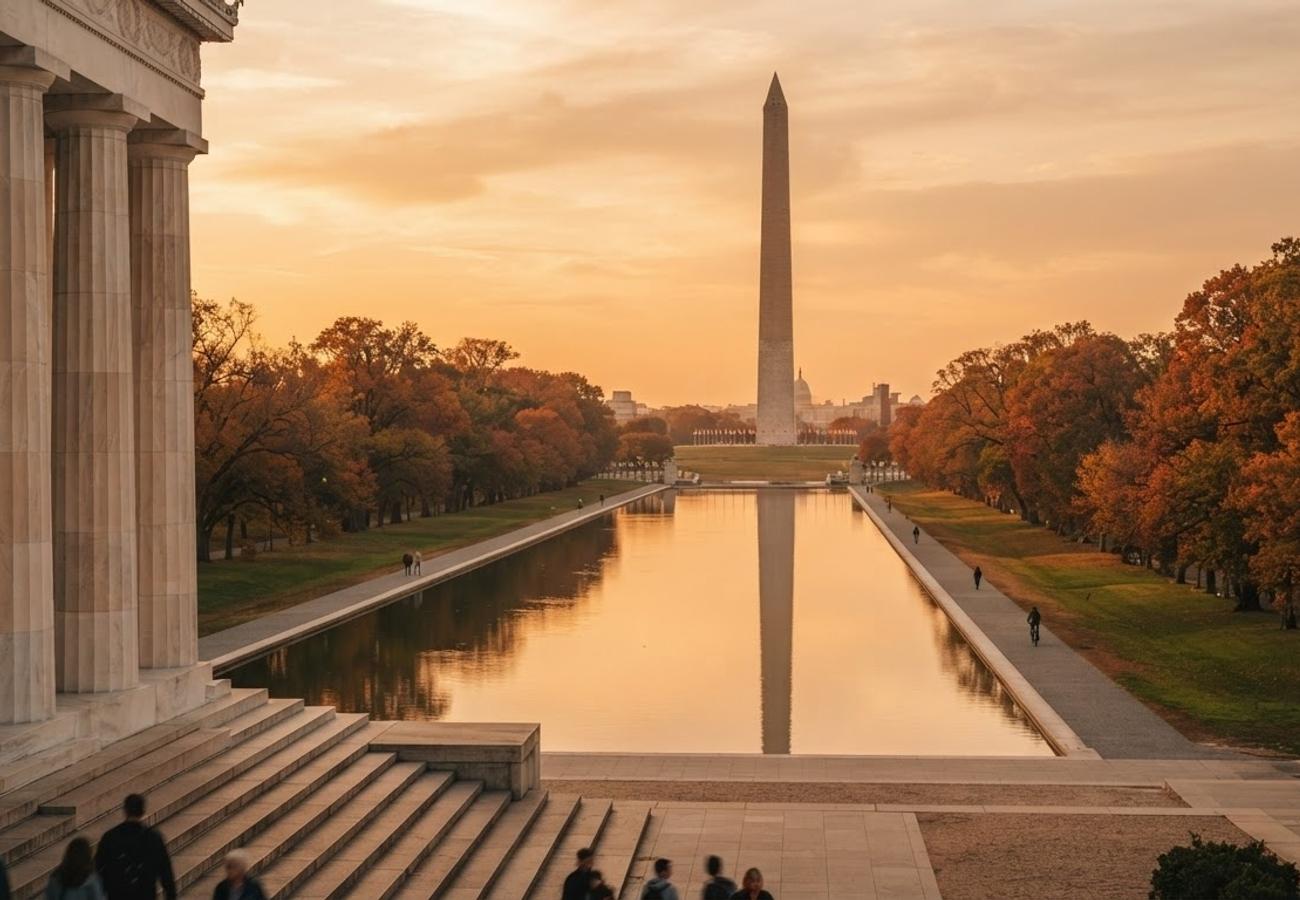
Image generated by AI
The convergence of declining international crowds and the dismantling of massive America 250 event infrastructure makes autumn 2026 the strategic window for visiting the U.S. capital.
Washington, DC is navigating a complex transition in 2026. While the city has seen a robust recovery in tourism—with visitation exceeding 27 million travelers in 2025—the peak of the 250th anniversary of the Declaration of Independence created significant logistical bottlenecks during the first half of the year. For those planning a visit in the latter half of 2026, the environment is shifting from high-density celebration to a more accessible, culturally rich shoulder season.
National Mall Infrastructure and Accessibility Recovery
Throughout mid-2026, the National Mall experienced unprecedented disruption. National Park Service (NPS) management documents confirm that temporary closures began June 10, 2026, to accommodate the Great American State Fair and a FIFA Fan Zone. These installations created extensive fencing and road closures from the Capitol grounds to the Lincoln Memorial, forcing pedestrians into lengthy detours along Independence and Constitution Avenues.
As of late September 2026, the dismantling of these large-scale structures is underway. While some barriers remain for re-sodding and pavement repair, the "cordoned-off" atmosphere of the summer is receding. Travelers arriving in October and November will find improved sightlines to monuments and a return to the walkable, open-lawn vistas that define the city's core.
Simultaneously, federal transportation planning is upgrading regional connectivity. Rehabilitation projects are active in Rock Creek Park and along the Capital Crescent and Anacostia Riverwalk trails, enhancing the cycling and pedestrian network just as peak fall foliage arrives.
Synchronized Cultural Programming and Exhibition Schedule
The museum landscape in late 2026 is characterized by a thematic synchronization focused on democracy and innovation. The Smithsonian Institution and independent galleries have timed their major launches to coincide with the fall window.
| Institution | Exhibition/Event | Key Dates | Focus/Theme |
|---|---|---|---|
| Hirshhorn Museum | Revolutions: Art 1860–1960 | Through Nov 1, 2026 | Modern Art & Redesigned Sculpture Garden |
| The Phillips Collection | Tomorrow the Sun Will Rise | Aug 1 – Sept 20, 2026 | Regional Creativity (50+ Artists) |
| Smithsonian Folklife | Sing Democracy 250 | Fall 2026 | Democracy & Community |
| National Museum of American History | Democracy-themed series | Fall 2026 – 2027 | US 250th Anniversary Reflections |
| National Museum of the American Indian | Democracy-themed series | Fall 2026 – 2027 | Indigenous Perspectives on Governance |
Traveler Logistics Guide: Navigating DC in Autumn 2026
From a ground-level perspective, the best way to navigate the capital during this transition is to avoid reliance on the primary Mall axis for transit and instead utilize the expanding perimeter trails.
Booking and Timing With international visitation remaining flat in 2026, there is currently a surplus of hotel inventory and flight availability compared to the July 4th peak. We recommend targeting the window between late September and early November to secure aggressive promotional packages designed to fill rooms after the anniversary rush.
Navigating the Mall While the major fences are coming down, "restoration zones" (re-sodding areas) are common. Use the DC Metro (Orange/Blue/Silver lines) to jump between the Smithsonian and the National Mall stations rather than attempting to walk the full length of the Mall if you are on a tight schedule.
Customs and Digital Transit For international visitors, ensure all ESTA or visa documentation is processed at least 72 hours prior to arrival. While DC does not use a system like India's Digi Yatra, utilizing the SmarTrip app for seamless Metro and bus integration is the only efficient way to avoid ticket kiosk queues during festival weekends.
Optimal Layover and Connection Strategy If connecting through Dulles (IAD) or Reagan National (DCA), allow for increased ground transit times. The rehabilitation of bridges and parkways in the Rock Creek and Anacostia areas can cause intermittent delays for ride-shares. The Metro remains the most reliable transit method to bypass surface-level construction.
Regional Connectivity and Infrastructure Impact
The shift in 2026 from "recovery" to "long-term growth" is evident in the city's infrastructure spend. The investment in the Anacostia Riverwalk and Capital Crescent trails indicates a strategic move to decentralize tourism away from the National Mall. By pushing visitors toward the waterfronts and neighborhood hubs like Dupont Circle, the city is reducing the "bottleneck effect" experienced during the summer of 2026.
This decentralization, combined with a packed festival calendar (DC JazzFest, H Street Festival, and DC Bike Ride), transforms the city from a series of monuments into a living urban network. For the traveler, this means the "smartest" way to see DC in 2026 is to pair a morning at a Smithsonian with an afternoon on the rehabilitated riverfront trails.
The capital is finally breathing again after a summer of celebration.
Related Travel Guides
Disclaimer
This article is for informational and educational purposes only. It does not constitute legal, financial, or professional advice. While we strive to provide accurate and up-to-date information, travel policies, regulations, and conditions change rapidly. Always verify information with official sources before making travel decisions. Nomad Lawyer makes no representations about the accuracy, reliability, completeness, or suitability of the information provided. Readers should consult qualified professionals for advice specific to their circumstances. The views expressed in this article are those of the author and do not necessarily reflect the views of Nomad Lawyer.
Raushan Kumar
Founder & Lead Developer
Full-stack developer with 11+ years of experience and a passionate traveller. Raushan built Nomad Lawyer from the ground up with a vision to create the best travel and law experience on the web.
Learn more about our team →