
Washington County Pennsylvania Launches $110,300 Tourism Grant Program to Boost Regional Travel in 2026
Washington County is deploying a $110,300 strategic tourism grant program to enhance local attractions and events, targeting the rising demand for authentic regional travel in Pennsylvania.

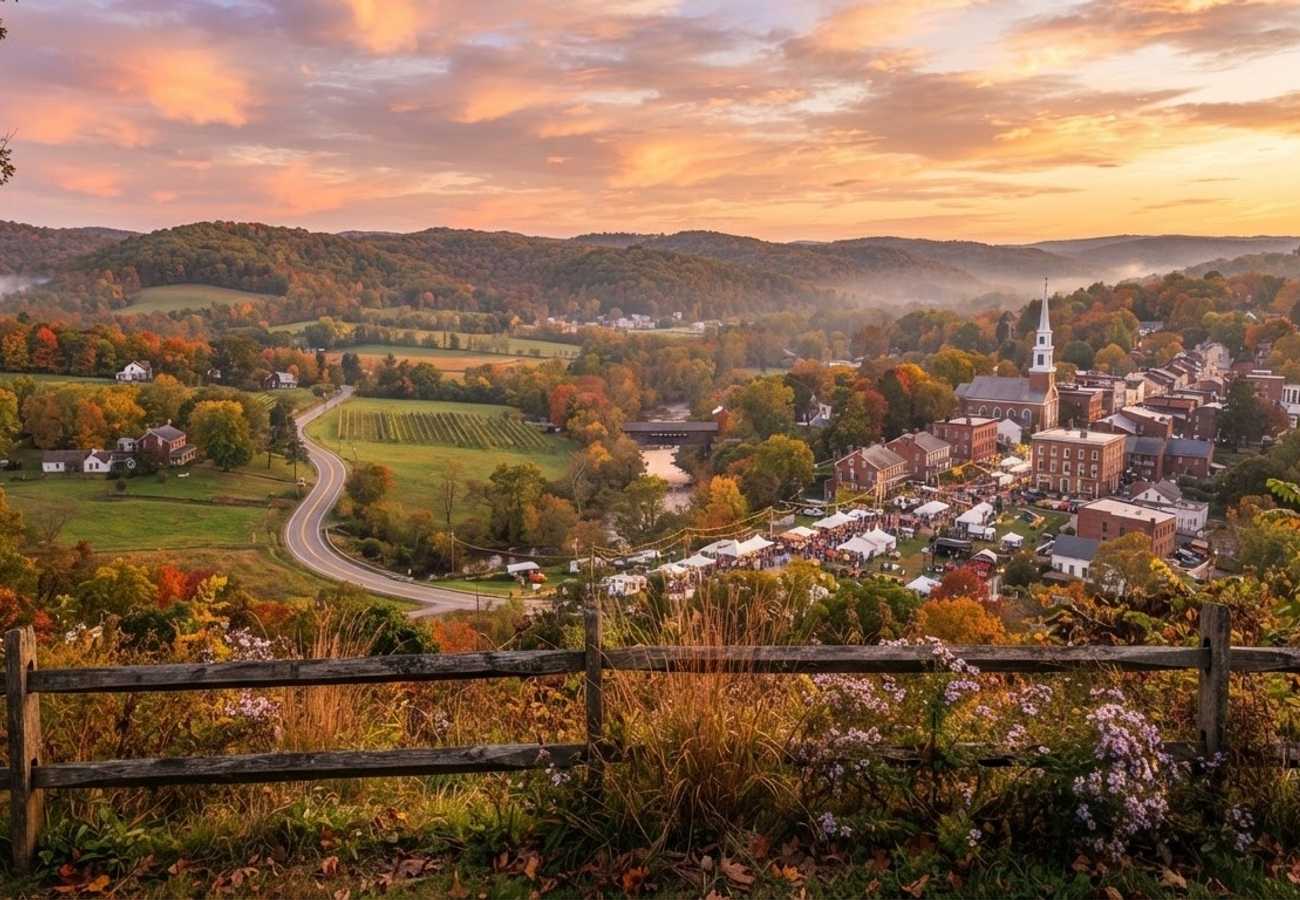
Image generated by AI
A strategic $110,300 investment in tourism grants is transforming Washington County, Pennsylvania, into a high-visibility destination for travelers seeking authentic American experiences. This funding initiative is specifically designed to scale local attractions, elevate community events, and refine the overall visitor journey to capture a growing segment of the domestic travel market.
As the travel landscape shifts away from overcrowded metropolitan hubs, smaller regional districts are finding new ways to compete. Washington County is leveraging this trend by utilizing targeted financial injections to improve destination storytelling and sustainable infrastructure, ensuring that the region is not just a pass-through point but a primary destination.
Strategic Grant Investment Revitalizes Washington County Travel
The introduction of the $110,300 grant program marks a pivotal shift in how Washington County approaches its visitor economy. Rather than relying on broad marketing campaigns, the county is directing funds toward the grassroots organizations that actually deliver the visitor experience. This targeted approach ensures that the money flows directly into the improvement of sites, the expansion of event capacities, and the enhancement of hospitality services.
Industry reports suggest that modern travelers are increasingly disillusioned with "cookie-cutter" tourism. There is a documented rise in demand for "slow travel"—trips characterized by deeper community connections, local heritage, and undisturbed natural landscapes. By funding local organizations, Washington County is essentially subsidizing the authenticity that today's travelers crave.
These grants serve as a catalyst for local tourism promotion agencies. When a small museum or a local festival receives funding to improve its facilities or digital presence, the ripple effect extends to the entire county. Improved visibility leads to longer average stays, which in turn increases the "per-visitor" spend at local hotels, eateries, and retail shops.
Enhancing Pennsylvania Visitor Experiences Through Targeted Funding
The shift in Washington County reflects a broader trend across the United States where destination development is moving toward "experience-based" tourism. Travelers are no longer satisfied with simply checking a landmark off a list; they are seeking immersive activities that provide a sense of place.
In Pennsylvania, this means bridging the gap between the state's famous historical landmarks and its lesser-known regional gems. The current funding initiative allows Washington County to develop a more cohesive narrative, linking its unique landscapes and cultural heritage into a seamless itinerary for the traveler.
For smaller destinations, this type of investment is a survival mechanism. Without specific funding to differentiate themselves from major urban centers, small counties risk becoming invisible. By focusing on distinctive local character—such as regional crafts, specific historical narratives, or unique outdoor terrains—Washington County is carving out a competitive niche in the Pennsylvania travel market.
Rising Demand for Regionalism in American Tourism
The growth observed in Washington County is not an isolated incident but part of a systemic transformation in American travel habits. There is a clear trend toward regionalism, where travelers prioritize accessibility and authenticity over the prestige of a world-famous city.
Pennsylvania is uniquely positioned to benefit from this, given its blend of scenic vistas and deep historical roots. However, the state's appeal is only as strong as its individual counties. When Washington County strengthens its internal tourism network, it adds value to the entire state's tourism portfolio.
This trend is particularly evident among two key demographics:
- Weekend Explorers: Urban dwellers from nearby cities looking for quick, high-impact escapes.
- Domestic Families: Travelers seeking safer, less crowded environments for educational and recreational outings.
Events as Primary Economic Engines for Local Communities
One of the most effective ways to trigger a surge in travel is through the creation of "anchor events." Festivals, cultural celebrations, and community-led programs act as primary drivers that compel travelers to book flights or hotels for specific dates.
The $110,300 grant program provides the necessary capital to move these events from "local gatherings" to "regional attractions." This involves:
- Scaling Marketing Reach: Using digital tools to attract visitors from outside the immediate area.
- Improving Infrastructure: Ensuring that parking, sanitation, and visitor services can handle increased crowds.
- Enhancing Quality: Investing in better entertainment and curation to encourage repeat visits.
When a festival succeeds, the economic benefits are distributed across the community. A visitor attending a weekend event doesn't just buy a ticket; they pay for a hotel room, dine at a local bistro, and purchase souvenirs from independent artisans.
Economic Stimulus and Community Entrepreneurship
Beyond the immediate increase in tourist foot traffic, these tourism investments function as a broader economic development strategy. Tourism is a powerful multiplier; for every dollar spent on a grant for an attraction, multiple dollars are generated in the local economy through indirect spending.
The stability provided by a steady stream of visitors encourages local entrepreneurship. When a region becomes a known destination, it becomes viable for new businesses—such as boutique bed-and-breakfasts, craft breweries, or guided tour companies—to open and thrive. This creates a cycle of growth where tourism funding leads to job creation, which in turn improves the quality of life for permanent residents.
Prioritizing Sustainable Tourism and Heritage Preservation
As Washington County expands its reach, the focus has shifted toward sustainability. The global travel industry is currently grappling with "overtourism," and the goal for Pennsylvania's regional hubs is to grow without destroying the very charm that attracts visitors.
The current development strategy emphasizes:
- Environmental Stewardship: Protecting natural landscapes from degradation caused by increased foot traffic.
- Heritage Conservation: Ensuring that historical sites are preserved rather than commercialized.
- Responsible Growth: Balancing the influx of visitors with the needs and privacy of the local population.
By integrating sustainability into the grant-funded projects, Washington County is ensuring that its tourism economy is viable for the long term, rather than experiencing a short-term boom followed by a decline in quality.
Why This Matters: The Traveler's Perspective
For the traveler, the professionalization of tourism in Washington County means a significant reduction in "travel friction." When grants are used to improve signage, visitor centers, and digital guides, the barrier to entry for a new destination drops.
From a logistical standpoint, this investment transforms the region from a "hidden gem"—which can often be frustratingly difficult to navigate—into an "accessible discovery." For the digital nomad or the leisure traveler, this means better infrastructure and more reliable services, making a trip to regional Pennsylvania a low-stress, high-reward experience.
Washington County is proving that strategic, small-scale investment can yield large-scale economic and cultural dividends.
Related Travel Guides
Disclaimer
This article is for informational and educational purposes only. It does not constitute legal, financial, or professional advice. While we strive to provide accurate and up-to-date information, travel policies, regulations, and conditions change rapidly. Always verify information with official sources before making travel decisions. Nomad Lawyer makes no representations about the accuracy, reliability, completeness, or suitability of the information provided. Readers should consult qualified professionals for advice specific to their circumstances. The views expressed in this article are those of the author and do not necessarily reflect the views of Nomad Lawyer.
Kunal K Choudhary
Co-Founder & Contributor
A passionate traveller and tech enthusiast. Kunal contributes to the vision and growth of Nomad Lawyer, bringing fresh perspectives and driving the community forward.
Learn more about our team →