
UK Air Traffic Failures 2026: How System Outages Cost the Tourism Economy Billions
Recent UK air traffic control failures are triggering economic ripples far beyond airline balance sheets, impacting a £58 billion tourism sector and corporate productivity.

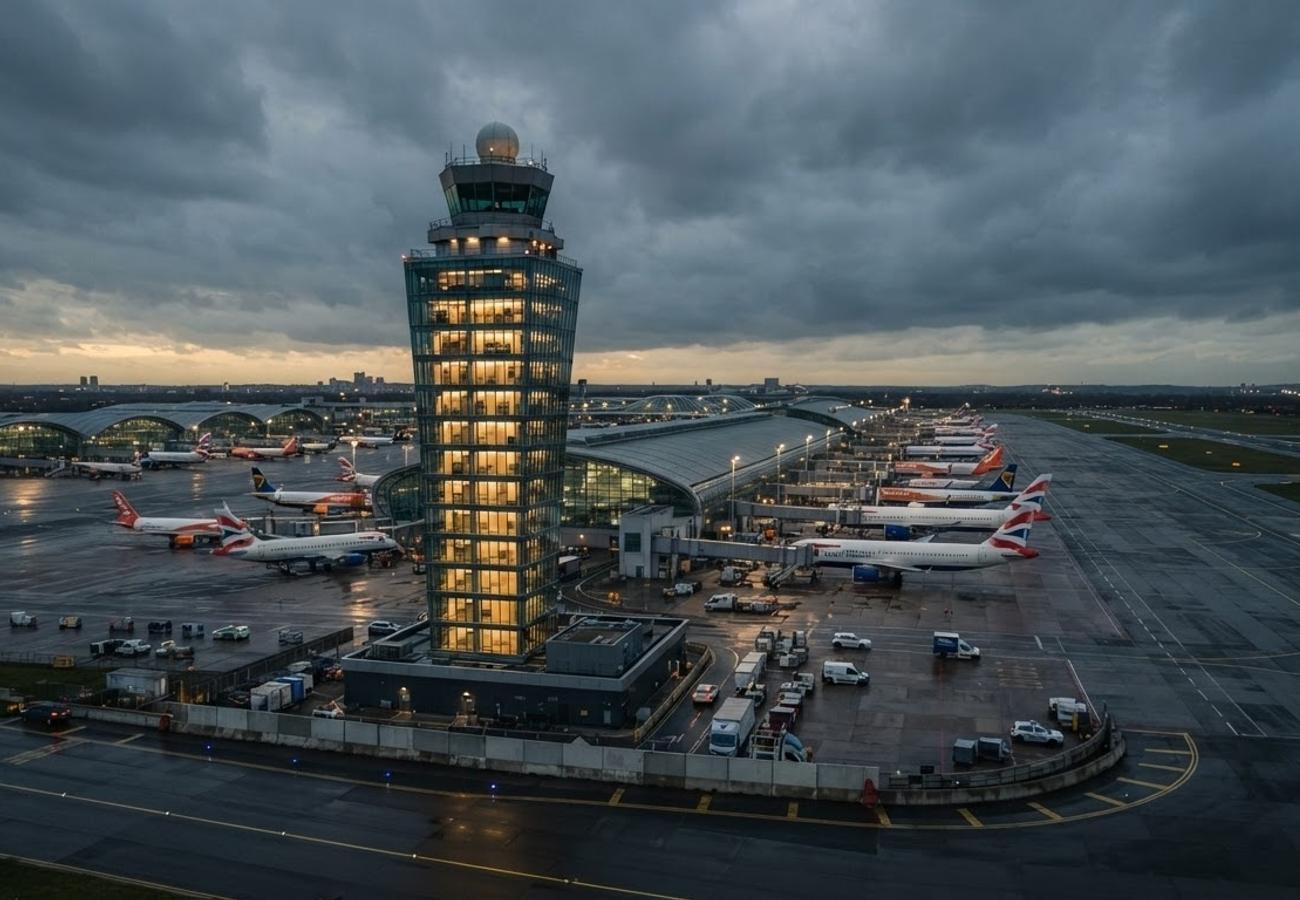
Image generated by AI
A single major UK air traffic failure can cost airlines approximately £100 million in direct losses, yet the wider economic damage to tourism and business travel is exponentially higher.
The Local Trend Revealed: The Aviation Domino Effect
Recent systemic failures within the United Kingdom's air traffic control (ATC) infrastructure have exposed a critical vulnerability in the nation's economic framework. While headline news typically focuses on cancelled flights and stranded passengers, the actual financial hemorrhaging extends deep into regional supply chains, hospitality, and corporate productivity.
The scale of the aviation footprint is immense. Parliamentary research indicates that tourism contributes roughly £58 billion to UK output. Because aviation serves as the primary gateway for this spending, any ATC outage creates a vacuum in revenue for hotels, local restaurants, and regional attractions. The multiplier effect is particularly evident with low-cost carriers; data shows that every £1 of value created directly by their operations supports nearly £4 across the broader economy. When the skies close, these secondary and tertiary spending flows vanish instantly.
Cultural & Environmental Value: The Human and Regional Cost
For the visitor, the real impact is a volatile travel experience that threatens the UK's reputation as a reliable global hub. Long-haul travelers and those on multi-city European itineraries are the most vulnerable, as a single ATC glitch can collapse a complex, high-spend trip.
This instability extends to the UK's cultural heritage and events sector. Government-commissioned research highlights that touring artists and large-scale productions face significant losses in output and employment when transport frictions increase. When airspace bottlenecks occur, the reach of festivals and touring shows is reduced, limiting the cultural exchange and economic injection these events provide to smaller regional towns.
Furthermore, the burden of these failures often falls on the individual. Official reviews of the 2023 outage showed that passengers faced days of rerouting, incurring significant out-of-pocket expenses for food and lodging. These costs are frequently absorbed by the traveler, often leading to credit card debt, while airlines and ATC providers engage in protracted disputes over who is legally responsible for "technical failures."
Corporate Productivity and the Hidden £1.6 Billion Drain
While leisure travel captures the public's attention, the corporate sector is absorbing a silent financial blow. Analysis from AI-powered travel management platforms estimates that UK companies spend over £1.6 billion annually mitigating travel disruptions. This includes emergency rebooking fees and lost billable hours, absorbing roughly 4 percent of the total national business travel budget.
In sectors like advanced manufacturing and high-value services, face-to-face contact remains non-negotiable. When airspace failures strand overseas partners or prevent site inspections, the result is delayed contracts and postponed investment decisions, creating a long-term drag on GDP that exceeds the immediate cost of a plane ticket.
Visitor Insider Tips: Navigating UK Air Volatility
To minimize the risk of being caught in a systemic ATC failure, travelers should adopt these local strategies:
- The "Buffer Day" Rule: When booking high-stakes connections (e.g., a cruise departure or a wedding), schedule your arrival in the UK at least 48 hours prior to the event.
- Diversify Your Entry Points: Avoid relying solely on Heathrow or Gatwick. Consider regional airports like Manchester or Birmingham for domestic connections to spread the risk of a single-hub failure.
- Digital Documentation: Keep a PDF folder of your travel insurance policy and "Right to Care" documentation. In the UK, if an airline claims an ATC failure is "extraordinary," your private insurance is often the only fast route to reimbursement.
- Local Transit Alternatives: If stranded between cities, utilize the National Rail network immediately. During air chaos, trains sell out rapidly as thousands of passengers pivot to ground transport.
Tourism Outlook: The Push for Infrastructure Resilience
The long-term viability of the UK's tourism growth depends on shifting from a "recovery" mindset to a "resilience" mindset. With visitor volumes now exceeding pre-pandemic levels, the pressure on air navigation service providers to modernize is critical.
Current debates center on liability. International airline groups argue that service providers are too insulated from the financial consequences of outages. For the destination to remain competitive, there is a growing call for clearer liability rules and coordinated crisis planning between the government and aviation managers to ensure that the £58 billion tourism engine isn't stalled by outdated technology.
The stability of the skies is no longer just an operational concern—it is a cornerstone of national economic security.
Related Travel Guides
Disclaimer
This article is for informational and educational purposes only. It does not constitute legal, financial, or professional advice. While we strive to provide accurate and up-to-date information, travel policies, regulations, and conditions change rapidly. Always verify information with official sources before making travel decisions. Nomad Lawyer makes no representations about the accuracy, reliability, completeness, or suitability of the information provided. Readers should consult qualified professionals for advice specific to their circumstances. The views expressed in this article are those of the author and do not necessarily reflect the views of Nomad Lawyer.
Kunal K Choudhary
Co-Founder & Contributor
A passionate traveller and tech enthusiast. Kunal contributes to the vision and growth of Nomad Lawyer, bringing fresh perspectives and driving the community forward.
Learn more about our team →