
Wellington Launches Lower North Island Rail Integrated Mobility Project With 18 Battery-Electric Trains
New Zealand is transforming regional travel with the introduction of 18 Alstom battery-electric trains to replace diesel services across the Wairarapa and Manawatū lines.

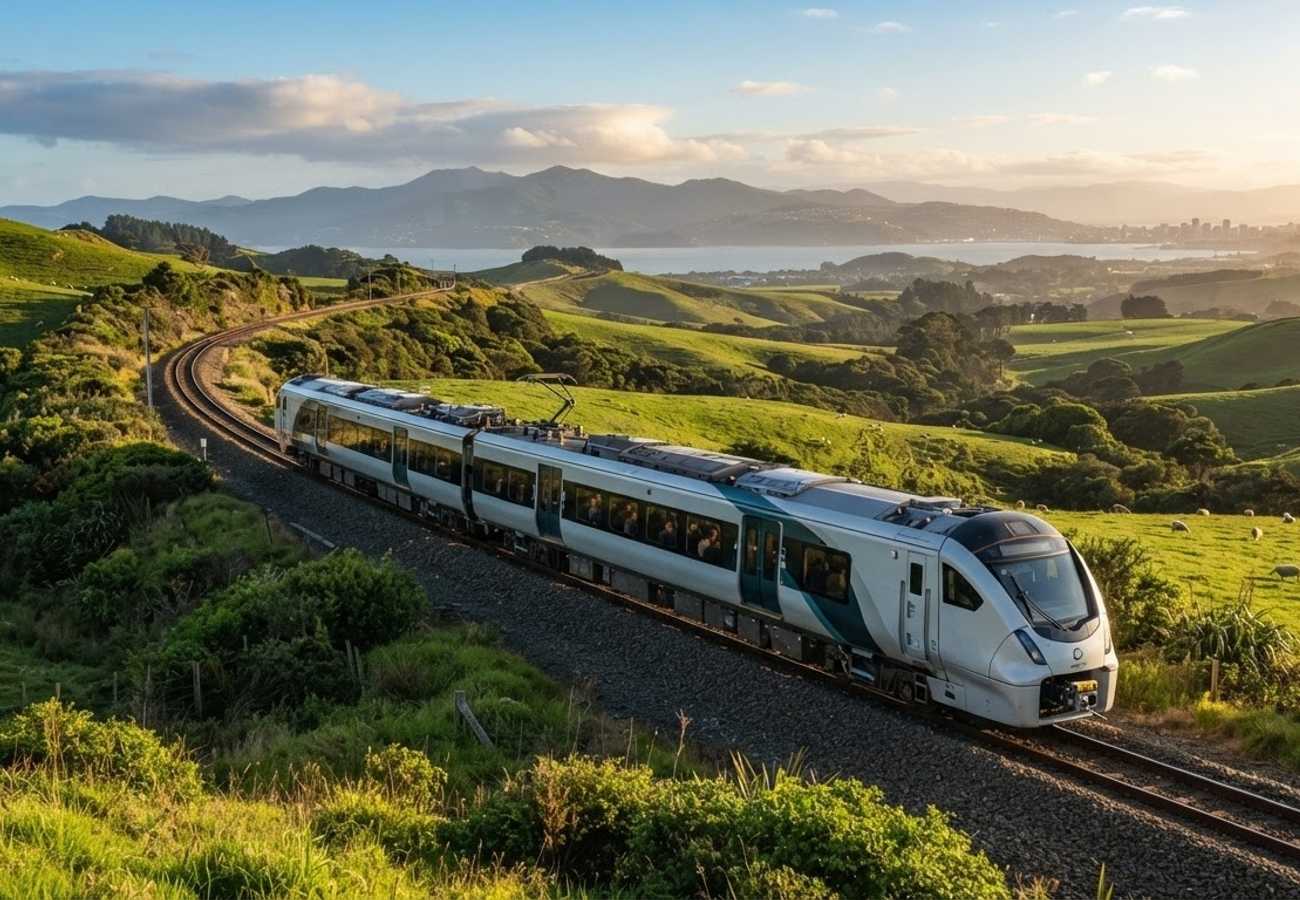
Image generated by AI
New Zealand is phasing out diesel locomotives in favor of 18 state-of-the-art battery-electric trains. This shift aims to modernize connectivity between Wellington, Wairarapa, and Manawatū while slashing regional carbon emissions.
The Lower North Island Rail Integrated Mobility (LNIRIM) project marks a pivotal transition in New Zealand's transport strategy. By replacing aging diesel-powered rolling stock with modern battery-electric multiple units (BEMUs), the region is addressing the long-standing challenge of providing sustainable transport on non-electrified tracks.
This initiative is not merely a vehicle replacement program but a comprehensive overhaul of regional mobility. The project integrates new fleet technology with significant infrastructure upgrades and revised scheduling to make rail a viable alternative to road travel for both commuters and tourists.
The Alstom Fleet and Technical Capabilities
Greater Wellington has partnered with Alstom to deliver and maintain the new fleet. The order consists of 18 Adessia Stream B battery-electric multiple-unit trains, specifically engineered to meet New Zealand's unique safety standards and geographic conditions.
The technical advantage of the Adessia Stream B lies in its hybrid power capability. These trains utilize overhead electric power where available and switch to battery operation on non-electrified sections of the network. This allows for seamless travel across the entire regional corridor without the need for full-scale electrification of every kilometer of track.
Key enhancements included in the new fleet:
- Dual-Power Operation: Seamless transition between overhead lines and battery power.
- Modernized Interiors: Updated passenger cabins designed for increased comfort and accessibility.
- Reliability: A new generation of rolling stock to reduce the frequent breakdowns associated with aging diesel units.
- Environmental Impact: Significant reduction in direct emissions during regional transit.
Regional Network Impact and Route Expansion
The deployment of these 18 trains will primarily focus on the Wairarapa and Manawatū lines. This ensures that key regional hubs, including Masterton and Palmerston North, are better connected to the capital city of Wellington.
By improving the frequency and reliability of these services, the LNIRIM project aims to shift the modal split from private vehicles to public rail. This is particularly significant for the Lower North Island, where natural landscapes and regional tourism centers often rely on road access.
Strategic Infrastructure Upgrades
The transition to battery-electric rail requires more than just new trains; it necessitates a new support ecosystem. A critical component of this project is the development of a dedicated maintenance facility in Masterton. This hub will specialize in battery servicing and fleet maintenance, ensuring the long-term viability of the electric fleet.
Additional infrastructure improvements include:
- Enhanced signaling systems to improve safety and efficiency.
- General network upgrades to support higher-frequency services.
- Station improvements to accommodate modern boarding requirements.
- Integration of new operational technology for better timetable management.
Driving Sustainable Tourism in the Lower North Island
The shift to cleaner rail services is expected to catalyze growth in sustainable tourism. The Wellington region is a gateway to vineyards, hiking trails, and coastal attractions that are currently difficult to access without a rental car.
With the introduction of the Adessia Stream B fleet, international and domestic visitors can explore the Wairarapa and Manawatū regions with a lower carbon footprint. This aligns with a global trend toward "slow travel" and responsible tourism, making the region more attractive to environmentally conscious travelers.
Implementation Timeline and Passenger Guidance
Passengers should note that the transition to battery-electric rail is a phased rollout. Current diesel services will continue to operate while the new trains are delivered and the necessary infrastructure—such as the Masterton facility—is completed.
Travelers are encouraged to monitor Metlink and Greater Wellington updates for official timetable changes and service announcements. The project is designed as a gradual integration to prevent service disruptions during the upgrade process.
Regional Rail Transformation Summary
| Feature | Old System | LNIRIM New System |
|---|---|---|
| Power Source | Diesel-powered locomotives | Battery-electric multiple units (BEMUs) |
| Fleet Model | Aging diesel rolling stock | 18 Alstom Adessia Stream B trains |
| Primary Routes | Wairarapa & Manawatū lines | Wairarapa & Manawatū lines |
| Key Destinations | Masterton, Palmerston North | Masterton, Palmerston North |
| Maintenance | General rail depots | Dedicated Masterton battery facility |
| Environmental Impact | High direct emissions | Low direct emissions |
Key Takeaways
- Fleet Expansion: 18 Alstom Adessia Stream B battery-electric trains will replace old diesel units.
- Hybrid Technology: Trains use overhead power and batteries to navigate non-electrified sections.
- Infrastructure Focus: A new maintenance hub in Masterton will support the electric fleet.
- Tourism Boost: Improved, cleaner connectivity to Wairarapa and Manawatū promotes sustainable travel.
- Phased Rollout: Services will be upgraded gradually; passengers should check Metlink for updates.
FAQ
Which specific train model is being used? Wellington has selected the Alstom Adessia Stream B battery-electric multiple-unit trains.
Will the trains only run where there are electric wires? No. The battery technology allows these trains to operate on non-electrified sections of the track, making them ideal for regional routes.
How many trains are being added to the network? The LNIRIM project includes the introduction of 18 new battery-electric trains.
Where will the trains be maintained? A new, dedicated maintenance facility is being developed in Masterton specifically for battery servicing and fleet care.
A bold step toward a carbon-neutral future for New Zealand's regional corridors.
Related Travel Guides
Disclaimer
This article is for informational and educational purposes only. It does not constitute legal, financial, or professional advice. While we strive to provide accurate and up-to-date information, travel policies, regulations, and conditions change rapidly. Always verify information with official sources before making travel decisions. Nomad Lawyer makes no representations about the accuracy, reliability, completeness, or suitability of the information provided. Readers should consult qualified professionals for advice specific to their circumstances. The views expressed in this article are those of the author and do not necessarily reflect the views of Nomad Lawyer.
Raushan Kumar
Founder & Lead Developer
Full-stack developer with 11+ years of experience and a passionate traveller. Raushan built Nomad Lawyer from the ground up with a vision to create the best travel and law experience on the web.
Learn more about our team →