
Manila Philippines Travel: MRT-7's Six Stations Transform Commute
Manila Philippines travel infrastructure gets a major upgrade as six MRT-7 stations open in 2026, easing commuter congestion across Bulacan and Metro Manila. Discover what this means for your journey.

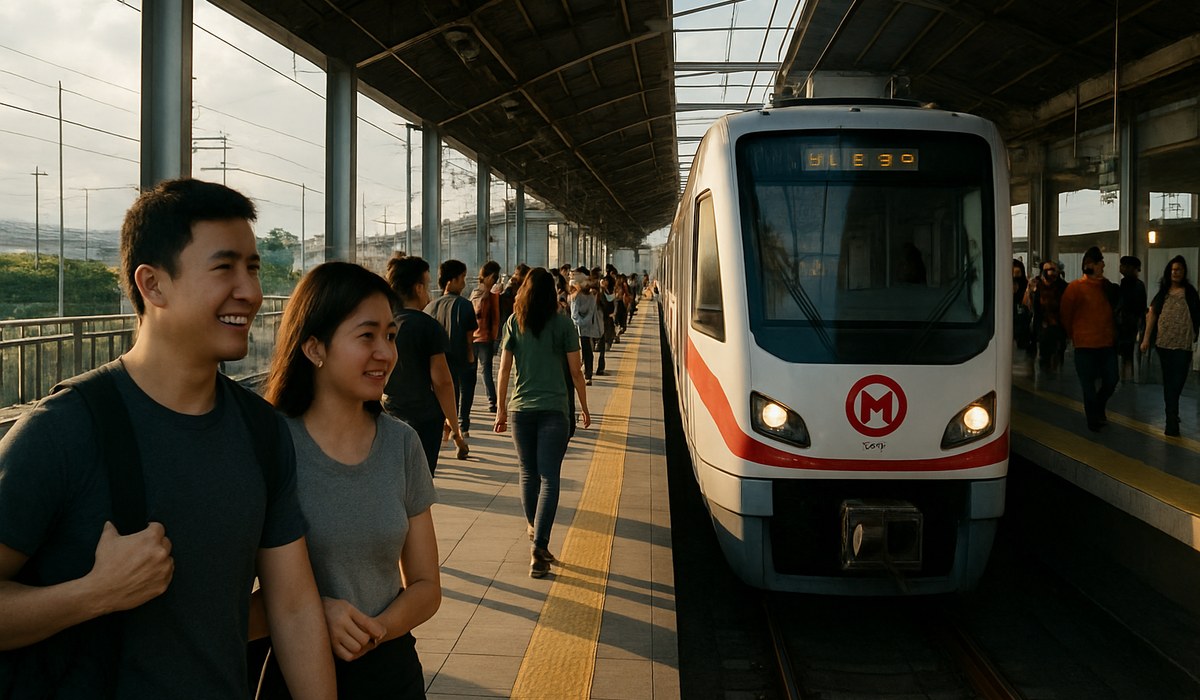
Image generated by AI
Manila Philippines Travel Gets a Rapid Transit Overhaul
The Department of Transportation (DOTr) has announced the imminent opening of six new MRT-7 stations spanning the Bulacan and northern Metro Manila corridors. This expansion arrives after years of construction, delivering a transformative shift in how daily commuters access the city's rail network. The partial opening represents Phase 2 of the metro's ambitious infrastructure modernization, designed to reduce travel times and decongest increasingly crowded routes.
Understanding the MRT-7 Route and New Stations
The MRT-7 extends from Bulacan southward toward Manila's central business districts. The six newly operational stations will serve commuters traveling between satellite communities and urban employment centers. Each station features modern facilities including climate-controlled waiting areas, real-time departure boards, and accessibility features for elderly and disabled passengers. The stations open to mixed acclaim from commuters who have endured temporary route disruptions during construction phases. Travelers planning Manila Philippines travel should note that the expanded network reduces average commute times by approximately 15–20 minutes compared to bus-dependent routes. Visit the official DOTr website for real-time service updates and schedule confirmations.
Service Changes and Daily Operating Hours
The newly opened stations operate on an extended daily schedule from 5:00 AM to 11:00 PM, aligning with broader Metro Manila transit patterns. Service frequency increases to every 3–4 minutes during peak morning hours (7:00–9:00 AM) and evening hours (5:00–7:00 PM), accommodating the surge of Manila Philippines travel demand. Off-peak services run every 6–8 minutes, ensuring consistent connectivity throughout the day. The DOTr has implemented temporary station crowding management protocols during the first month of operations. Commuters and travelers should anticipate slightly extended wait times as the system stabilizes. Station staff remain stationed throughout operating hours to assist with navigation and fare inquiries.
How to Book the Best Fare
The MRT-7 operates on a distance-based fare structure rather than flat-rate pricing. Single journey fares range from PHP 15 to PHP 25 depending on station-to-station distance, making it highly economical for short-haul Manila Philippines travel. Monthly pass commuter cards offer 12% savings compared to daily ticket purchases, ideal for business travelers and local workers. Visitors can purchase single-journey cards or day passes at station ticket windows—no advance booking is required. The system accepts both cash and contactless card payments at all ticket machines. Peak-hour surcharges do not apply on MRT-7, unlike some legacy metro systems. Trainline comparison tools can help international travelers estimate costs across Southeast Asian rail networks for broader trip planning.
Station Amenities and Onboard Experience
Each of the six stations features wheelchair-accessible elevators, dedicated seating for pregnant women and senior citizens, and family waiting zones. Trains themselves offer climate-controlled cabins with overhead luggage racks—essential for Manila Philippines travel with carry-on bags or medium suitcases. WiFi connectivity remains unavailable on current MRT-7 trains, though the DOTr has announced plans to introduce this within 18 months. Security personnel monitor platforms and train interiors to maintain passenger safety. Eating and drinking are prohibited onboard, though water stations operate at each station. Peak-hour crowding remains inevitable during commute windows, so flexible timing enhances comfort for leisure travelers exploring the network.
Station Access and Surrounding Area Navigation
The six stations integrate with existing bus networks, providing seamless transfers to regional Bulacan destinations and central Manila districts. Station entrances feature clear signage in English and Tagalog, with digital wayfinding systems directing passengers to exits and connecting transport modes. Each location offers taxi staging areas and motorcycle-taxi (tricycle) services for final-mile connectivity. Street-level merchants, convenience stores, and informal food vendors cluster near station exits, reflecting typical Manila Philippines travel node characteristics. Parking facilities at terminal stations accommodate approximately 150 vehicles each, suitable for park-and-ride commuting patterns. Overnight security measures ensure safe vehicle storage for extended periods.
Key Data: MRT-7 Expansion Snapshot
| Metric | Details |
|---|---|
| New Stations Opening | Six operational stations across Bulacan and northern Metro Manila |
| Daily Operating Hours | 5:00 AM – 11:00 PM year-round |
| Peak Hour Frequency | Every 3–4 minutes (7:00–9:00 AM, 5:00–7:00 PM) |
| Off-Peak Frequency | Every 6–8 minutes |
| Fare Range (Single Journey) | PHP 15–PHP 25 based on distance |
| Monthly Pass Discount | 12% savings versus daily ticket accumulation |
| Accessibility Features | Elevators, accessible seating, family zones at all stations |
| Platform Safety | Dedicated security personnel during all operating hours |
| Station Amenities | WiFi (planned Q4 2026), water stations, convenience stores, taxi staging |
What This Means for Travelers
Manila Philippines travel just became measurably faster and more convenient. Here's what matters for your journey:
-
Commute Time Savings: The six-station expansion cuts typical north-to-south travel by 15–20 minutes, freeing time for exploration or business.
-
Reduced Congestion: Overflow from legacy bus routes now distributes across modern rail infrastructure, making vehicles less crowded than previous years.
-
Cost Efficiency: Single fares under PHP 25 beat comparable taxi or ride-share costs on equivalent routes.
-
Extended Coverage: Bulacan residents gain direct access to central Manila without multi-modal transfers, improving connectivity for daily commuters and tourists.
-
Peak-Hour Flexibility: Knowing 3–4 minute frequency during rush windows lets travelers time rides strategically around their schedules.
-
Accessible Travel: Wheelchair ramps, elevators, and designated seating ensure inclusive Manila Philippines travel for all passenger groups.
Frequently Asked Questions
How does the MRT-7 expansion improve Manila Philippines travel logistics? The six new stations extend rail coverage northward into Bulacan, eliminating bus-transfer sequences and reducing overall journey duration by 15–20 minutes for affected corridors. Direct rail access lowers transportation costs and increases travel predictability.
What fare options should visitors use for short-term Manila Philippines travel? Single-journey tickets (PHP 15–25) work best for one-off trips, while three- or seven-day passes offer 10% discounts for multi-stop itineraries. Monthly cards suit business travelers only; leisure visitors rarely justify the PHP 1,800 cost.
Will the new MRT-7 stations reduce commuter crowding during peak hours? Partial relief occurs as capacity expands, though rush-hour congestion persists—especially 7:00–9:00 AM and 5:00–7:00 PM. Off-peak travel (10:00 AM–4:00 PM) offers significantly more comfortable conditions.
When should travelers avoid the MRT-7 during opening month? The first two weeks (March 23–April 6, 2026) will see stabilization delays, extended wait times, and occasional service interruptions. Experienced commuters recommend starting regular use after April 7 for normal operations.
Related Travel Guides
Navigating Metro Manila's Public Transportation Network in 2026
Essential Philippines Travel Safety Tips for Rail Commuters
Bulacan Province Day Trip Planning from Manila
Disclaimer
Disclaimer
This article is for informational and educational purposes only. It does not constitute legal, financial, or professional advice. While we strive to provide accurate and up-to-date information, travel policies, regulations, and conditions change rapidly. Always verify information with official sources before making travel decisions. Nomad Lawyer makes no representations about the accuracy, reliability, completeness, or suitability of the information provided. Readers should consult qualified professionals for advice specific to their circumstances. The views expressed in this article are those of the author and do not necessarily reflect the views of Nomad Lawyer.
Raushan Kumar
Founder & Lead Developer
Full-stack developer with 11+ years of experience and a passionate traveller. Raushan built Nomad Lawyer from the ground up with a vision to create the best travel and law experience on the web.
Learn more about our team →