
Hidden Grand Teton Alpine Lake Demands Serious Hiking Skills in 2026
Grand Teton's most rewarding alpine lake awaits hikers brave enough to tackle one of the range's most demanding trails in 2026, offering stunning mountain views and peaceful solitude.

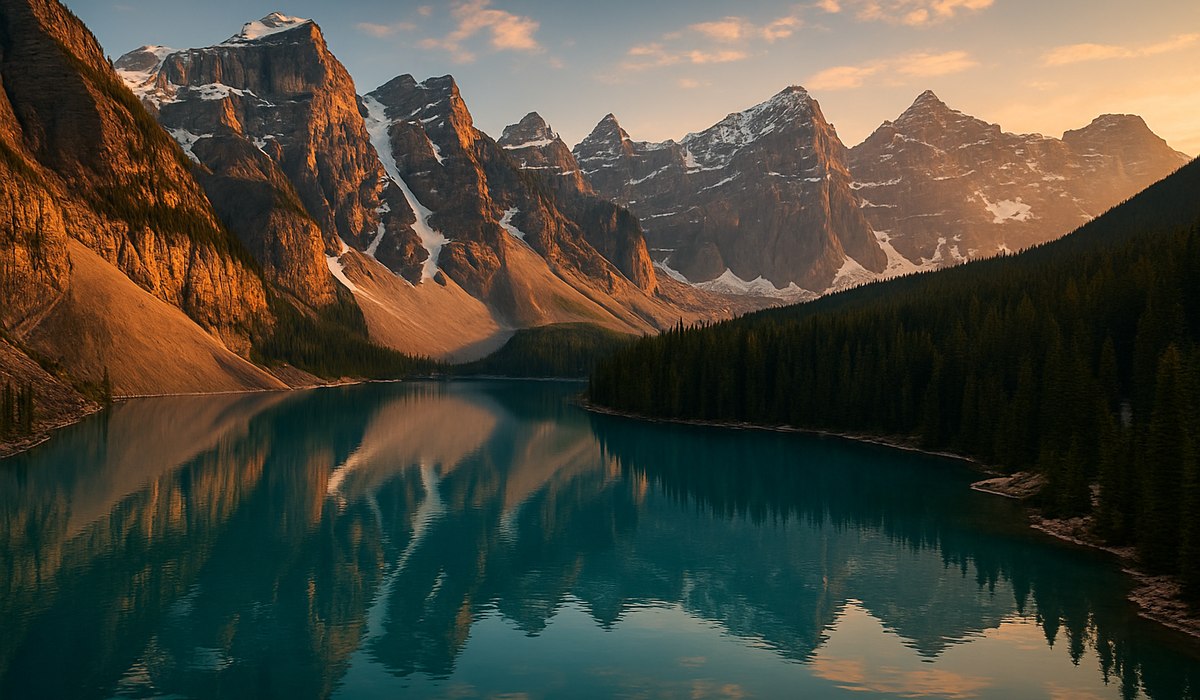
Image generated by AI
Grand Teton's Best-Kept Hiking Secret Emerges for 2026 Season
Grand Teton National Park conceals one of the American West's most spectacular yet underrated destinations: a serene alpine lake accessible only to hikers willing to endure substantial elevation gain and technical terrain. This hidden gem combines breathtaking mountain vistas, crystalline waters, and profound solitude—qualities increasingly rare in popular national parks. The trail remains quietly overlooked by casual visitors, making it an ideal destination for experienced hikers seeking authentic wilderness experiences away from crowded overlooks and established viewpoints.
Which Hidden Lake in Grand Teton Should You Visit?
The alpine lake in question sits nestled between jagged peaks within the park's remote backcountry, accessible via one of several challenging routes. Each approach offers distinct advantages depending on your experience level and available time. The most popular route provides consistent trail markers and established campsites, while alternative approaches reward adventurous hikers with fewer encounters and more dramatic scenery. This hidden Grand Teton destination has gained quiet recognition among serious hikers and mountaineers, though it remains absent from many guidebooks and casual hiking blogs.
The lake itself spans approximately fifteen acres at roughly 10,000 feet elevation. During peak summer months, water temperatures hover near freezing, preserving the pristine alpine ecosystem year-round. Wildlife sightings frequently include mountain goats, marmots, and occasionally bighorn sheep navigating the surrounding ridges. Visit Grand Teton National Park's official resource center for current trail conditions and permit information.
Trail Difficulty and What to Expect
This hidden Grand Teton trail presents serious challenges that demand proper preparation. The route encompasses approximately twelve miles round-trip with 3,500 feet of elevation gain compressed into the initial six miles. Rocky scrambles, exposed ridgelines, and altitude transitions require solid cardiovascular fitness and mountain hiking experience. Sections near the summit involve hand-over-hand climbing on weather-polished stone, where a single misstep creates genuine danger.
Weather conditions transform dramatically above 9,500 feet. Afternoon thunderstorms materialize with little warning, creating hazardous lightning conditions on exposed terrain. Snow patches persist into July on the highest elevations, concealing route-finding markers and creating slippery passage. Hikers report total journey times ranging from ten to fourteen hours depending on fitness, weather, and personal pacing. The trail's reputation for difficulty effectively limits traffic, preserving the peaceful atmosphere that makes this hidden Grand Teton location special.
Route-finding challenges increase as hikers progress toward the alpine zone. Trail blazes become sparse, requiring navigation skills and topographic map literacy. Stream crossings, particularly during snowmelt season, can reach hazardous levels. The descent proves equally demanding as the ascent, with gravity's assistance creating temptation toward dangerous speed that causes injury. Check current conditions at visitor centers before committing to this challenging expedition.
Best Time to Hike and Preparation Tips
The optimal hiking window extends from late June through early September, when snow melts sufficiently to expose reliable trail sections. July and August typically offer the most stable weather patterns, though afternoon thunderstorms remain common. Peak summer crowds, relative to this isolated destination, occur in mid-August. Early season attempts in June require avalanche awareness and stream-crossing expertise. September conditions deteriorate rapidly, with early storms bringing snow and hazardous wind.
Serious preparation distinguishes successful summits from dangerous situations. Essential gear includes detailed topographic maps, a compass or GPS device, and weather-appropriate layers. The hidden Grand Teton location demands trekking poles to reduce joint stress on the brutal descent. Bring high-calorie snacks exceeding typical day-hike provisions—most hikers underestimate energy demands at altitude. Start before dawn to maximize daylight hours; turnaround times become critical above 9,500 feet as afternoon conditions deteriorate.
Acclimatization proves vital for hikers arriving from lower elevations. Spending a night in the park at 6,000 feet elevation, then hiking to this alpine destination the following day, significantly improves performance and reduces altitude sickness risk. Hydration receives constant attention; reliable water sources exist only at specific established locations. Dehydration accelerates altitude-related symptoms and impairs decision-making capacity precisely when sound judgment becomes most critical.
Photography and Scenic Highlights Along the Route
The route showcases progressive landscape transitions that reward photographers and visual storytellers. Lower elevations feature subalpine forest with scattered meadows, creating classic alpine photography compositions. Mid-elevation sections reveal expanding vistas with distant peaks emerging above tree line. The final push through alpine tundra exposes increasingly dramatic scenery: windswept peaks, wildflower patches, and distant glacial valleys.
The hidden Grand Teton alpine lake itself presents stunning photographic opportunities, particularly during morning light when shadows enhance rocky features. Calm water surfaces create perfect mirror reflections of surrounding peaks—but such still conditions occur rarely. Bring neutral density filters to capture flowing water if small inlet streams are present. Late afternoon light casts dramatic shadows across ridgelines, creating three-dimensional landscape photographs difficult to achieve elsewhere.
Golden hour at sunset provides the most magical light, though lingering at the lake until evening proves dangerous on the exposed descent. Plan photography accordingly, recognizing that light quality and personal safety require careful balance. Sunrise compositions from high elevations often feature dramatic cloud inversions over lower valleys. The hidden Grand Teton location's photography potential justifies the physical effort, attracting serious outdoor photographers and visual content creators.
How to Book the Best Fare
While hiking requires no booking, comprehensive trip planning benefits from advance reservations at gateway accommodations and visitor facilities. The town of Jackson, Wyoming, serving as the primary access point, fills completely during peak summer months. Reserve lodging at least two months ahead to secure reasonable rates and convenient locations near trailhead parking. Campsites within the national park fill quickly through the National Recreation Reservation System.
Visitor centers provide trip planning consultation and current trail condition reports available nowhere else. Ranger staff offer specific advice about wildlife encounters, water quality, and hazardous conditions. Pre-trip visits to these facilities, accessible without fees, provide invaluable situational information. During peak season, arrive early at visitor centers to access backcountry permit stations before lines extend hours. Strategic planning during advance research prevents day-of surprises that might compromise trip success.
Key Data Table: Hidden Grand Teton Alpine Lake Specifics
| Metric | Details |
|---|---|
| Total Distance | 12 miles round-trip |
| Elevation Gain | 3,500 feet |
| Summit Elevation | 10,200 feet |
| Lake Elevation | 10,050 feet |
| Typical Hiking Time | 10-14 hours |
| Best Season | Late June through September |
| Water Temperature | 32-45°F year-round |
| Permit Requirements | Backcountry permit required |
| Trailhead Parking | Limited spaces; arrive by 7 AM |
| Technical Difficulty | Advanced scrambling sections |
| Weather Risk | Afternoon thunderstorms likely |
| Wildlife Encounters | Mountain goats, marmots, sheep |
What This Means for Travelers
The emergence of hidden Grand Teton as a recognized destination carries important implications for adventure travelers planning 2026 expeditions:
-
Secure permits early: Backcountry permits distribute on first-come, first-served basis during peak season. Call the park's backcountry office immediately upon deciding your travel dates.
-
Build fitness progressively: Three months of consistent cardiovascular training, including stair climbing and hill repeats, better prepares your body than last-minute conditioning.
-
Invest in proper equipment: Quality hiking boots, weather-appropriate layers, and reliable navigation tools prevent emergencies on this exposed
Disclaimer
This article is for informational and educational purposes only. It does not constitute legal, financial, or professional advice. While we strive to provide accurate and up-to-date information, travel policies, regulations, and conditions change rapidly. Always verify information with official sources before making travel decisions. Nomad Lawyer makes no representations about the accuracy, reliability, completeness, or suitability of the information provided. Readers should consult qualified professionals for advice specific to their circumstances. The views expressed in this article are those of the author and do not necessarily reflect the views of Nomad Lawyer.
Raushan Kumar
Founder & Lead Developer
Full-stack developer with 11+ years of experience and a passionate traveller. Raushan built Nomad Lawyer from the ground up with a vision to create the best travel and law experience on the web.
Learn more about our team →