
SpiceJet AC Malfunction Dispute: Airline Denies Cabin Heat Claims, Passenger Rights & Tarmac Rules Explained
Examine the SpiceJet cabin climate dispute, Indian airport tarmac thermal stress, passenger rights under DGCA rules, and practical flying advice for 2026.

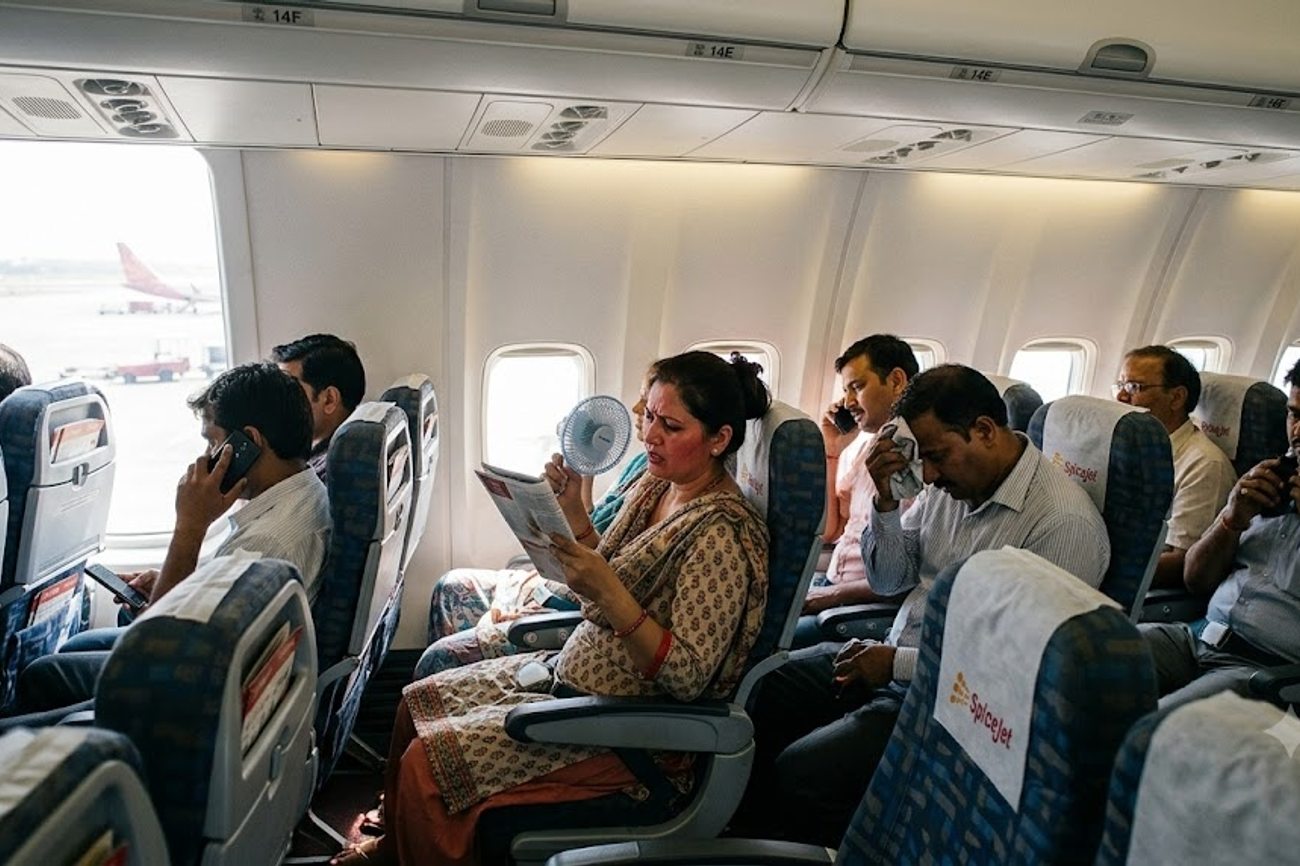
Image generated by AI
When surface temperatures on concrete airport aprons across northern and central India surpass 50 degrees Celsius in peak seasonal heat, the interior of a stationary narrow-body jet can heat up by more than 10 degrees in just fifteen minutes without active cooling. A recent dispute involving low-cost carrier SpiceJet has brought national attention to the delicate balance between technical compliance and passenger physical comfort during domestic operations. Passengers aboard a domestic service reported severe heat and stifling humidity inside the fuselage prior to departure, prompting vociferous on-board protests captured on viral smartphone video. While the airline firmly rejected claims of environmental control system malfunctions—asserting that cooling equipment ran within certified parameters and that cabin warmth stemmed strictly from ambient weather during boarding—the incident exposes the operational vulnerabilities of ground-level aircraft cooling across India's high-density transit corridors.
The Heat on the Tarmac: Decoding Cabin Climate Control and Passenger Rights
The conflict highlights the operational handoff that occurs while an aircraft sits parked at a departure bay. Before jet engines start and main air conditioning packs engage, cabins rely on two external cooling sources: ground conditioning units (GCUs) connected via flexible hoses, or the aircraft's internal auxiliary power unit (APU). Operational logs revealed that ground-cooling hoses were reported detached, delayed, or under-supplied during boarding. When airflow is interrupted, the fuselage traps body heat and tarmac radiation like a greenhouse.
Aviation observers scrutinizing the incident noted a sharp contrast between ambient thermal metrics on the tarmac and duct temperatures registered by onboard flight data monitors. While quick-access recorders may indicate normal valve positioning and pack output, air exchange rates can remain inadequate to dissipate heat loads across a packed single-aisle cabin. For low-cost carriers operating on tight margins, managing auxiliary power unit fuel burn economics against continuous pre-departure air conditioning is a constant operational calculation. Ground power units and pre-conditioned air carts provided by airport concessionaires face queue congestion, maintenance backlogs, and connector mismatches during peak departure banks, leaving aircraft vulnerable during gate holds.
For travelers, prolonged confinement in an overheated cabin creates physiological risks. Medical literature confirms that intense heat exposure in confined fuselages triggers acute anxiety, dehydration, cardiovascular strain, vasomotor instability, and electrolyte imbalances. Vulnerable demographics—including young children, elderly passengers, and pregnant women—face heightened susceptibility to heat exhaustion. When pushbacks are delayed or flights return to the apron, passenger fatigue escalates, downstream flight connections are missed, and consumer trust erodes. Stranded patrons increasingly seek legal remediation through airline grievance cells, consumer forums, and digital regulatory platforms.
What Makes Indian Aviation Transit Different
Traveling through Indian airports involves entering spaces where ultra-modern civil aviation infrastructure exists alongside regional cultural realities. At major hubs like Delhi Indira Gandhi International Airport, operated under standards overseen by the Directorate General of Civil Aviation, Terminals 1, 2, and 3 handle hundreds of thousands of daily passengers. Yet seasonal extremes—from blistering summer heatwaves to monsoon humidity—create unique environmental conditions rarely encountered in temperate climates.
In Delhi, Terminal 3 welcomes visitors with towering copper mudra sculptures representing classical dance gestures, an artistic installation promoted by Incredible India. Outside the terminal, travelers with extended layovers can take the high-speed Delhi Airport Metro Express to Connaught Place in twenty minutes or explore historic landmarks recognized by the UNESCO World Heritage Centre, including Humayun's Tomb and Qutub Minar.
What distinguishes the Indian travel experience is the deep societal importance of shared journeys. Indian domestic flights carry an extraordinarily diverse demographic cross-section: multi-generational families traveling to ancestral homes, pilgrims heading to sacred temple circuits, international backpackers, and corporate commuters. This social diversity means that when cabin conditions falter, collective community sentiment surfaces quickly. Rather than suffering in silence, Indian passengers voice collective concern for vulnerable co-travelers, transforming what might be an isolated service hiccup into a shared demand for dignity and care.
Visitor Insider Tips
Navigating domestic flights across India during hot or humid seasonal transitions requires local insight, advance preparation, and an understanding of passenger entitlements.
- Combat Tarmac Dehydration Before Boarding: Never board an Indian domestic flight during peak heat months without drinking water. Purchase sealed mineral water or tender coconut water at airport concession stands after security clearance. Pack oral rehydration salts (ORS) or electrolyte powder packets in your carry-on luggage to mix into water if cabin temperatures rise.
- Opt for Aerobridge Gates When Possible: When booking regional routes or selecting departure times, favor flights departing from contact gates equipped with passenger aerobridges over remote apron stands. At remote bays, passengers board via exposed tarmac stairs and unconditioned buses, dramatically increasing heat exposure before cabin boarding is complete.
- Etiquette When Interfacing with Cabin Staff: If cabin cooling feels insufficient during boarding, speak to the lead flight attendant promptly and calmly. A respectful greeting—such as "Namaste"—accompanied by a polite request to verify auxiliary power cooling often yields immediate action. Flight attendants can contact the cockpit to increase duct airflow or request ground air carts before doors are sealed.
- Asserting Rights Under the DGCA Charter: Under civil aviation requirements established by Indian regulators, passengers have defined rights during tarmac delays. If an aircraft experiences an extended ground delay exceeding defined thresholds, the airline is mandated to provide water, light refreshments, and functional air conditioning. If thermal conditions become intolerable, passengers can request gate returns or deboarding without penalty.
- Filing Grievances Digitally via Air Sewa: If your flight experiences severe cabin climate failures, preserve your boarding pass and document cabin conditions with timestamped notes or video. Lodge a formal complaint through the airline customer support desk, and escalate unresolved claims to the Ministry of Civil Aviation's dedicated Air Sewa digital grievance portal for tracked regulatory resolution.
Cultural and Environmental Context
The growth of civil aviation across India represents an extraordinary democratization of travel. Once reserved for a privileged minority, domestic flights now connect secondary and tertiary cities through regional connectivity initiatives, linking remote communities in the Himalayas, the Deccan plateau, and coastal regions with major economic centers. This accessibility has spurred regional tourism, fostered interstate business, and enabled families to bridge vast geographical distances.
Yet this rapid expansion coincides with escalating climate challenges. Indian metropolitan centers face intensifying summer heatwaves, with airport concrete tarmacs absorbing and re-radiating extreme thermal energy. Operating continuous ground cooling for thousands of daily departures demands massive power generation, challenging airports to reconcile passenger comfort with national carbon reduction pledges. Major facilities like Delhi Indira Gandhi International Airport have responded by installing multi-megawatt solar energy plants, deploying electric ground vehicles, and adopting energy-efficient pre-conditioned air technology.
At the community level, modern aviation operates alongside India's historic rail network. While flights offer speed across continental distances, travelers seeking lower environmental impacts increasingly combine short-haul flights with scenic journeys on Indian Railways, such as the Vande Bharat Express routes. By understanding both the environmental realities of regional aviation and the legal frameworks protecting passenger rights, travelers can navigate India's domestic skies with confidence, safety, and cultural appreciation.
FAQ: Flying in India 2026
What caused the SpiceJet cabin climate dispute? Passengers reported suffocating cabin heat during boarding, which SpiceJet attributed to ambient weather while denying mechanical malfunction. Observers cited detached or delayed ground-cooling hoses during the critical boarding sequence.
What are passenger rights during severe tarmac heat delays in India? Under DGCA passenger charter guidelines, airlines must maintain functional ventilation and air conditioning on the ground. If severe delays occur, carriers must provide drinking water, refreshments, and timely operational updates.
How can travelers escalate unresolved airline complaints in India? Unresolved service or safety grievances can be escalated through the Ministry of Civil Aviation's official Air Sewa digital portal or the National Consumer Helpline with booking and flight documentation.
How can visitors stay comfortable during summer domestic flights across India? Carry sealed mineral water, pack electrolyte hydration powders, choose morning or late evening flight departures to avoid midday tarmac heat, and request immediate crew assistance if feeling faint.
Above the sun-drenched plains of India, mindful travel begins with understanding both the mechanical realities of the tarmac and the enduring warmth of local hospitality.
Related Travel Guides
Disclaimer
This article is for informational and educational purposes only. It does not constitute legal, financial, or professional advice. While we strive to provide accurate and up-to-date information, travel policies, regulations, and conditions change rapidly. Always verify information with official sources before making travel decisions. Nomad Lawyer makes no representations about the accuracy, reliability, completeness, or suitability of the information provided. Readers should consult qualified professionals for advice specific to their circumstances. The views expressed in this article are those of the author and do not necessarily reflect the views of Nomad Lawyer.
Preeti Gunjan
Contributor & Community Manager
A passionate traveller and community builder. Preeti helps grow the Nomad Lawyer community, fostering engagement and bringing the reader experience to life.
Learn more about our team →