
New York Catskills Travel Revolution: Unlocking Rural Paradise Near NYC in 2026
The Catskills are transforming from remote mountain retreats into a high-end slow tourism hub for urbanites seeking nature and remote work flexibility.

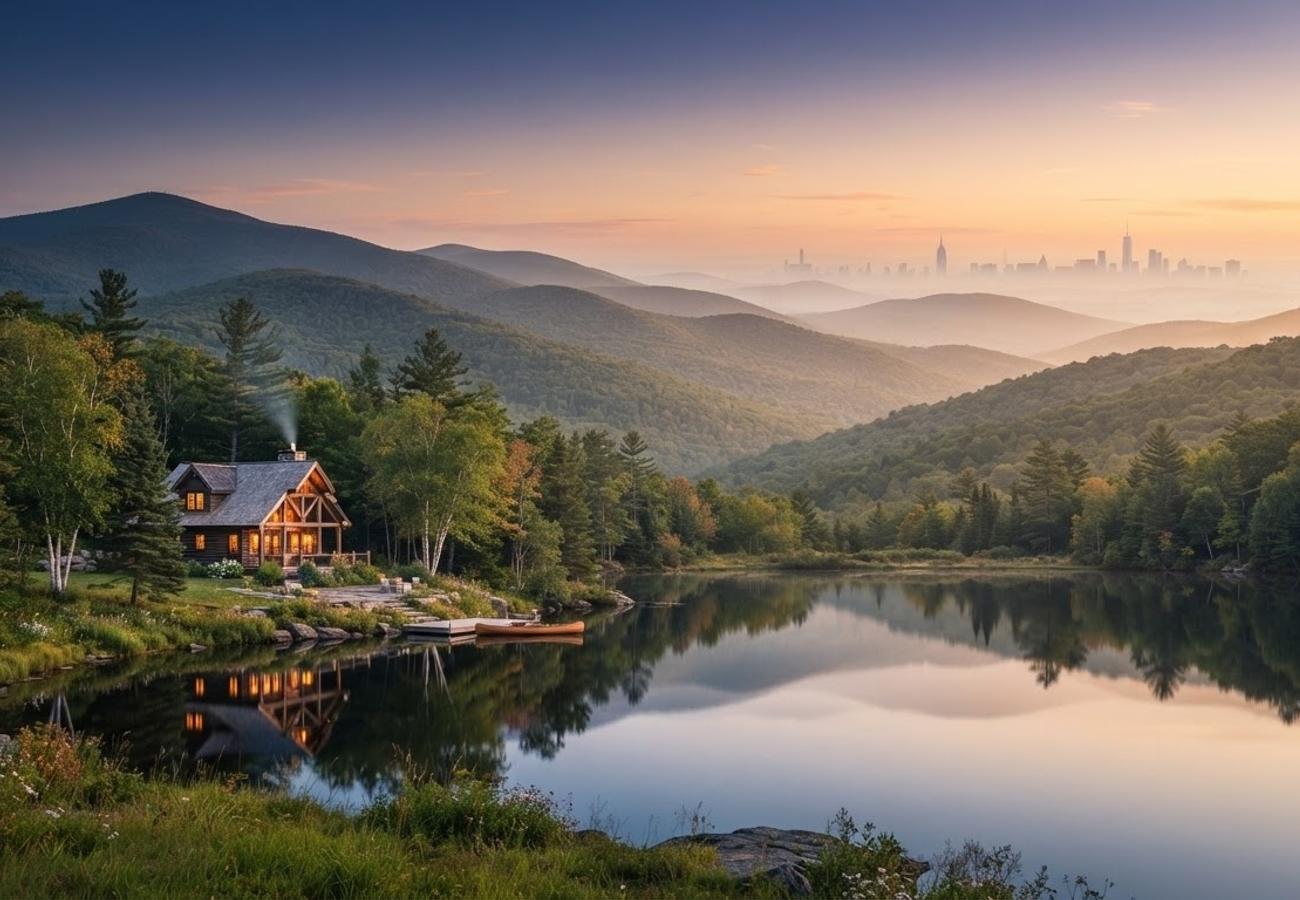
Image generated by AI
The Catskills are no longer just a remote memory of mid-century resorts; they have evolved into a strategic sanctuary where urban professionals trade skyscrapers for summits without leaving their WiFi signals behind. This shift is not merely a trend in sightseeing but a fundamental change in how Americans utilize their leisure time, prioritizing the "slow tourism" movement over the frantic pace of traditional sightseeing.
The Great Urban Exodus to the Mountains
What we are witnessing in the Catskills is a structural pivot in domestic travel. For decades, this region was viewed as a quiet backdrop or a nostalgic relic. Today, it is a primary engine for rural revitalization. The catalyst was a perfect storm: the rise of flexible work arrangements, a collective psychological shift toward nature-centric healing, and a desire to avoid the friction of airport security and international flight delays.
The region has successfully positioned itself as the antidote to the congested, built-up environments of New York City. By offering hundreds of miles of hiking routes, dense forests, and winding rivers, the Catskills provide a sensory reset. The convenience is the primary draw; the ability to transition from a corporate office in Manhattan to a mountain trailhead in a few hours by car has made the region a preferred alternative for those who value their time as much as their relaxation.
What Makes the Catskills Different
Unlike purpose-built resort towns that can feel sterile or artificial, the Catskills maintain a gritty, authentic local identity. The experience here is defined by a blend of heritage and modern luxury. You will find long-standing general stores and family-owned farms operating alongside avant-garde boutique hotels and design-forward wellness retreats.
The draw is the "meaningful experience." Visitors are moving away from the checklist style of tourism—where one simply visits a landmark and leaves—and moving toward immersive activities. This includes farm-to-table dining that sources ingredients from the very soil the guest is walking on, and wellness facilities that integrate the natural mountain air into their treatment protocols.
For those planning a visit, coordinating with I Love NY can provide a baseline for regional attractions, but the real magic lies in the unplanned detours through small villages that have seen a creative revival. The region's geography, characterized by its rugged peaks and river valleys, creates a natural sense of seclusion that is rare so close to one of the world's largest metropolises.
Visitor Insider Tips
Having spent significant time navigating these mountain roads, I can tell you that the Catskills are best experienced when you resist the urge to follow a strict itinerary.
Timing and Crowds To avoid the weekend rush of NYC residents, aim for mid-week visits. If you are visiting during the peak autumn foliage season, arrive at trailheads before 8:00 AM. The most popular vistas fill up quickly, but the lesser-known valley trails remain empty well into the afternoon.
Local Etiquette and Exploration Respect the "small town" rhythm. Many local businesses in the smaller hamlets operate on flexible hours. A friendly conversation with a shop owner often leads to the best recommendations for "off-map" swimming holes or private orchards that aren't listed on major apps.
Transport and Logistics A vehicle is non-negotiable. While some hubs are accessible, the true essence of the region is found in the gaps between towns. Ensure your rental has a full tank of gas before heading deep into the highlands, as service stations can be sparse once you leave the main arteries.
Where to Base Yourself Avoid the overly commercialized strips. Instead, look for accommodations in the smaller counties where the focus is on "experience-based stays." Look for lodges that offer seasonal dining and integrated outdoor activities to maximize your time.
Cultural and Environmental Context
The surge in tourism has brought a complex set of challenges and opportunities to the Catskills. On one hand, the economic impact is staggering. Visitor spending has reached billions of dollars annually, which has breathed new life into dying villages and supported thousands of jobs in the retail, food service, and hospitality sectors.
However, this popularity has triggered a significant shift in the property market. The demand for second homes and rural retreats has skyrocketed, as wealthy urbanites seek permanent escapes from city living. While this brings investment into local infrastructure, it also puts pressure on housing affordability for long-term residents.
Environmentally, the shift toward "slow tourism" is a double-edged sword. While it promotes an appreciation for the wilderness, the increase in vehicle traffic and foot traffic on sensitive hiking trails requires careful management. The region is currently balancing the need for economic growth with the preservation of the very natural beauty that attracts visitors in the first place. For those interested in the conservation efforts of the region, the New York State Department of Environmental Conservation (DEC) provides essential guidelines on sustainable trail use and wildlife protection.
FAQ: Visiting the Catskills 2026
What is the best time to visit? October is peak for foliage, but late May through June offers lush greenery and fewer crowds. For winter sports and cozy cabin vibes, January and February are ideal.
Do I need a car to explore the region? Yes. While some small towns are walkable, the attractions, hiking trails, and boutique hotels are spread across a vast rural area. A car is essential for a meaningful experience.
Is the region safe for solo travelers? Absolutely. The Catskills are generally very safe. Solo hikers should always notify their accommodation of their planned route and carry a physical map, as cell service can be spotty in the valleys.
How do I get there from New York City? The most efficient way is by car, typically a 2 to 3-hour drive depending on your specific destination within the mountains. Some regional bus services exist, but they limit your mobility.
Trade the concrete jungle for a canopy of maples and find your rhythm in the silence of the peaks.
Related Travel Guides
Disclaimer
This article is for informational and educational purposes only. It does not constitute legal, financial, or professional advice. While we strive to provide accurate and up-to-date information, travel policies, regulations, and conditions change rapidly. Always verify information with official sources before making travel decisions. Nomad Lawyer makes no representations about the accuracy, reliability, completeness, or suitability of the information provided. Readers should consult qualified professionals for advice specific to their circumstances. The views expressed in this article are those of the author and do not necessarily reflect the views of Nomad Lawyer.
Kunal K Choudhary
Co-Founder & Contributor
A passionate traveller and tech enthusiast. Kunal contributes to the vision and growth of Nomad Lawyer, bringing fresh perspectives and driving the community forward.
Learn more about our team →