
South Africa Teams Up With Seychelles In Leading September Tourism Surge As African Nations Target Travellers With Culture And Luxury Experiences
South Africa Teams Up With Seychelles In Leading September Tourism Surge As African Nations Target Travellers With Culture And Luxury Experiences

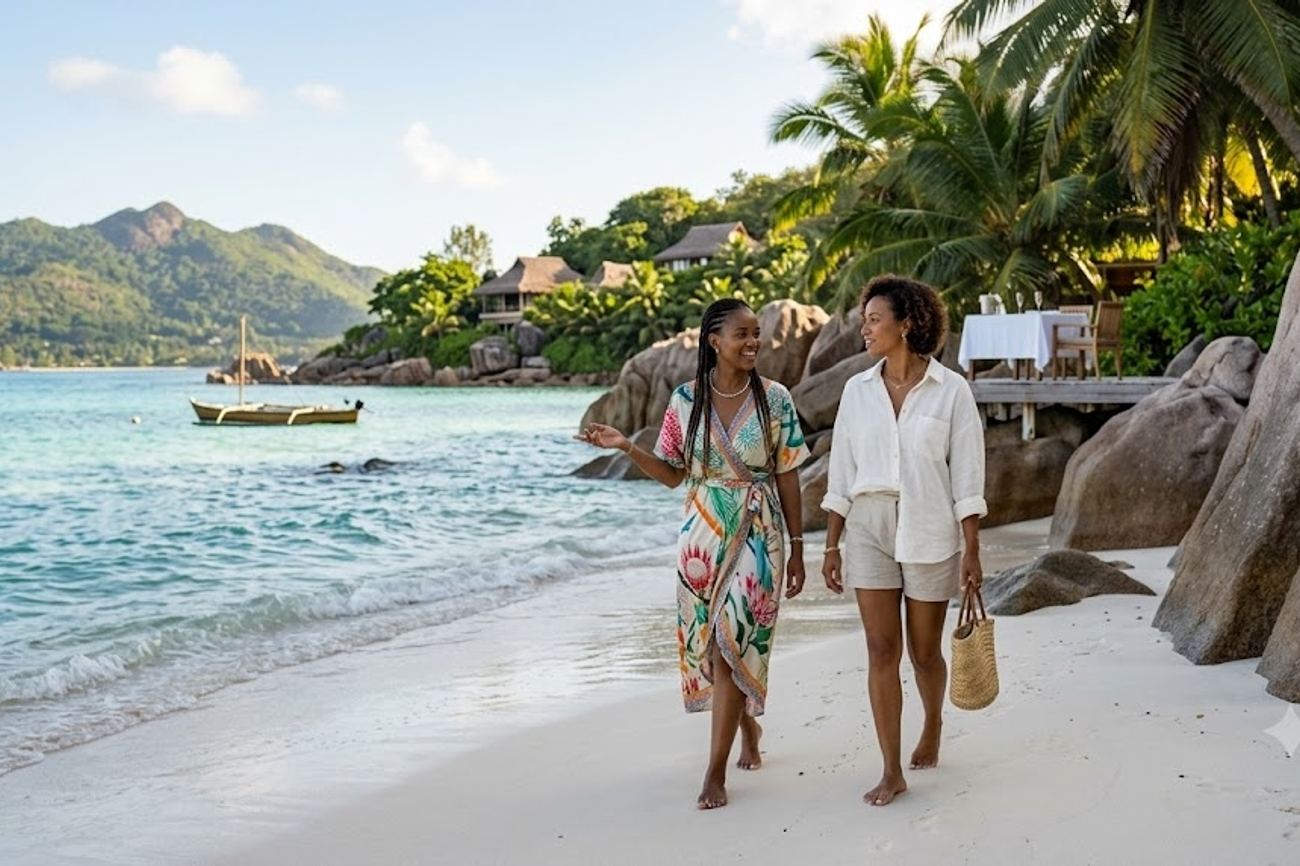
Image generated by AI
African tourism arrivals have historically fluctuated based on regional stability, yet the strategic pivot toward high-value, experience-led travel in 2026 marks a departure from the volume-based models of the previous decade. While traditional sightseeing once dominated the continent's appeal, the shift toward "innovation-based tourism" and digital integration—led by South Africa's 2026 initiatives—indicates a systemic move toward increasing the Average Daily Rate (ADR) per visitor rather than simply increasing passenger counts.
The Digital Pivot: South Africa’s 2026 Metrics
South Africa is currently spearheading a continental transition by aligning its tourism infrastructure with the "Digital Era." The September 2026 Tourism Month is not merely a promotional window but a strategic deployment of digital platforms to enhance destination visibility and economic accessibility. This move targets a specific shift in consumer behavior where the booking journey is increasingly decentralized and driven by social media visibility and seamless digital interfaces.
The South African model for September 2026 divides its focus across five distinct pillars: wildlife, heritage, coastal, digital, and community tourism. By integrating digital tourism—specifically online marketing and digital booking systems—South Africa is attempting to reduce the friction between international interest and actual arrival. This is a critical move for the region, as data from the World Travel & Tourism Council (WTTC) consistently shows that digital maturity in booking processes correlates directly with higher conversion rates for long-haul travelers.
The focus on "Community Tourism" is equally data-driven. By shifting spending toward local guides, artisans, and small businesses, South Africa is attempting to increase the "tourism multiplier effect," ensuring that a higher percentage of visitor spend remains within the local economy rather than leaking out to international hotel chains.
Regional Benchmarks: High-Value vs. Volume Models
The African tourism landscape is splitting into two distinct strategic directions: the "Comprehensive Experience" model and the "High-Value Niche" model. South Africa, Kenya, and Morocco are pursuing the former, creating diversified portfolios that combine luxury, culture, and nature to extend the average length of stay. Conversely, Rwanda and Seychelles are doubling down on the latter, focusing on exclusivity and conservation to drive premium pricing.
The following table analyzes the strategic focus of key African markets heading into the 2026 cycle:
| Destination | Primary Strategic Driver (2026) | Target Traveler Segment | Key Value Proposition |
|---|---|---|---|
| South Africa | Digital Integration & Diversification | Multi-segment (Domestic & Int'l) | Tech-enabled access to heritage & nature |
| Seychelles | Luxury Personalization | High-Net-Worth Individuals (HNWI) | Beyond-beach wellness & Creole culture |
| Rwanda | Conservation-Led Premium | Eco-conscious Luxury Travelers | Rare wildlife (Gorilla) & high-value eco-tourism |
| Kenya | Immersive Community Integration | Adventure & Cultural Seekers | Conservation-focused safaris & Maasai Mara |
| Morocco | Regional Extension (Longer Stays) | Cultural & Culinary Tourists | Heritage cities blended with desert luxury |
| Tanzania | Dual-Experience Bundling | Safari & Beach Vacationers | Serengeti wildlife paired with Zanzibar luxury |
This regional divergence is a response to global travel patterns. According to UN Tourism (formerly UNWTO), there is a rising global demand for "authentic" and "sustainable" journeys. Rwanda’s model, which ties tourism income directly to environmental protection, serves as a benchmark for the "High-Value Niche" approach, where lower visitor volumes are offset by significantly higher per-person expenditure.
Practical Traveler Advisory and Strategic Insights
The transition toward experience-led and digitally-integrated tourism changes the logistics of planning a trip to Africa in 2026. Travelers should no longer view these destinations as single-attraction stops (e.g., just a safari in Kenya or just a beach in Seychelles) but as integrated ecosystems.
1. Booking Windows and Digital Platforms: With South Africa’s push toward digital bookings for September 2026, travelers can expect more real-time availability and direct-to-provider booking options. However, because the focus is shifting toward "personalized experiences" and "community tourism," the most authentic local guides and boutique stays will likely reach capacity faster than large resorts. For Q3 2026 travel, booking 4-6 months in advance is recommended to secure these niche experiences.
2. Itinerary Diversification: The trend of "Dual-Experience Bundling," most evident in Tanzania (Serengeti + Zanzibar), is becoming the standard. Travelers should look for packages that combine high-adrenaline activities (like gorilla trekking in Rwanda or Mount Kenya climbs) with high-end wellness or cultural retreats. This approach maximizes the value of the long-haul flight.
3. Budgeting for "High-Value" Models: Travelers heading to Rwanda or Seychelles should prepare for a premium pricing structure. These nations are intentionally moving away from mass tourism. Expect higher entry fees and permit costs, particularly for conservation-focused activities, as these funds are now explicitly linked to community development and environmental protection.
South Africa and Seychelles are collaborating to boost tourism in September, offering a range of cultural and luxury experiences to attract travelers. According to the South African Tourism board, the partnership aims to promote the unique heritage and natural beauty of both countries. By working together, they hope to increase visitor numbers and showcase the best of African hospitality.
The 2027 Trajectory: Toward a Seamless Continental Network
Based on current data, the trajectory for African tourism is moving toward "Inter-Destination Connectivity." While the current focus is on individual national strategies, the underlying pattern suggests a future where travelers can more easily move between these hubs—for example, combining a Moroccan heritage tour with a South African digital-safari experience.
The integration of digital platforms in South Africa is the first step toward a more unified regional booking ecosystem. As more nations adopt the "Digital Era" framework, we can expect to see a rise in multi-country "Experience Passes" and integrated transport networks that reduce the reliance on fragmented third-party agencies.
Furthermore, the shift toward "Community Tourism" is likely to evolve into a standardized certification for sustainable travel. As travelers become more scrutinizing of "greenwashing," destinations that can provide transparent data on how visitor spend supports local artisans and conservation—as Rwanda currently does—will capture a larger share of the Gen Z and Millennial luxury market.
FAQ: African Tourism Trends 2026
Will travel costs increase due to the "luxury" and "high-value" focus? Yes, in specific niches. Destinations like Rwanda and Seychelles are intentionally targeting higher-spending travelers to protect their environments. However, South Africa's push for domestic and digital tourism may create more competitive pricing for mid-range travelers.
Is September 2026 a good time to visit Africa? Yes. The coordinated push across multiple nations during this month means an increase in cultural festivals, digital promotions, and curated experiences. It is an ideal window for those seeking a blend of wildlife and cultural immersion.
Which destinations are best for sustainable travel? Rwanda and Seychelles are currently the leaders in conservation-linked tourism. Their models ensure that a direct percentage of your spending goes toward protecting endangered species and marine ecosystems.
How has the booking process changed for these regions? There is a significant shift toward direct digital bookings. You will find fewer "middle-man" agencies and more direct access to local operators, especially in South Africa, leading to more transparent pricing and personalized itineraries.
The era of the generic safari is ending; the era of the data-driven, high-impact African experience has arrived.
Related Travel Guides
- Oman’s Al Jabal Al Akhdar Sparks a Massive Tourism Revolution as Gulf Tourism Capital 2027 Brings Global Attention and Unmatched Experiences
- Manchester Leads Liverpool in International Visitors as UK Aviation, Culture and Hotel Markets Diverge
- Australia Secures Regional Tourism Routes as Holiday Travel and Harvest Demand Rise
Disclaimer
This article is for informational and educational purposes only. It does not constitute legal, financial, or professional advice. While we strive to provide accurate and up-to-date information, travel policies, regulations, and conditions change rapidly. Always verify information with official sources before making travel decisions. Nomad Lawyer makes no representations about the accuracy, reliability, completeness, or suitability of the information provided. Readers should consult qualified professionals for advice specific to their circumstances. The views expressed in this article are those of the author and do not necessarily reflect the views of Nomad Lawyer.
Preeti Gunjan
Contributor & Community Manager
A passionate traveller and community builder. Preeti helps grow the Nomad Lawyer community, fostering engagement and bringing the reader experience to life.
Learn more about our team →