
South Africa Opens 11 Eastern Cape Nature Reserves Free to Day Visitors Until 4 October
South Africa Tourism South Africa opens 11 Eastern Cape nature reserves free to day visitors until 4 October, giving residents and trave

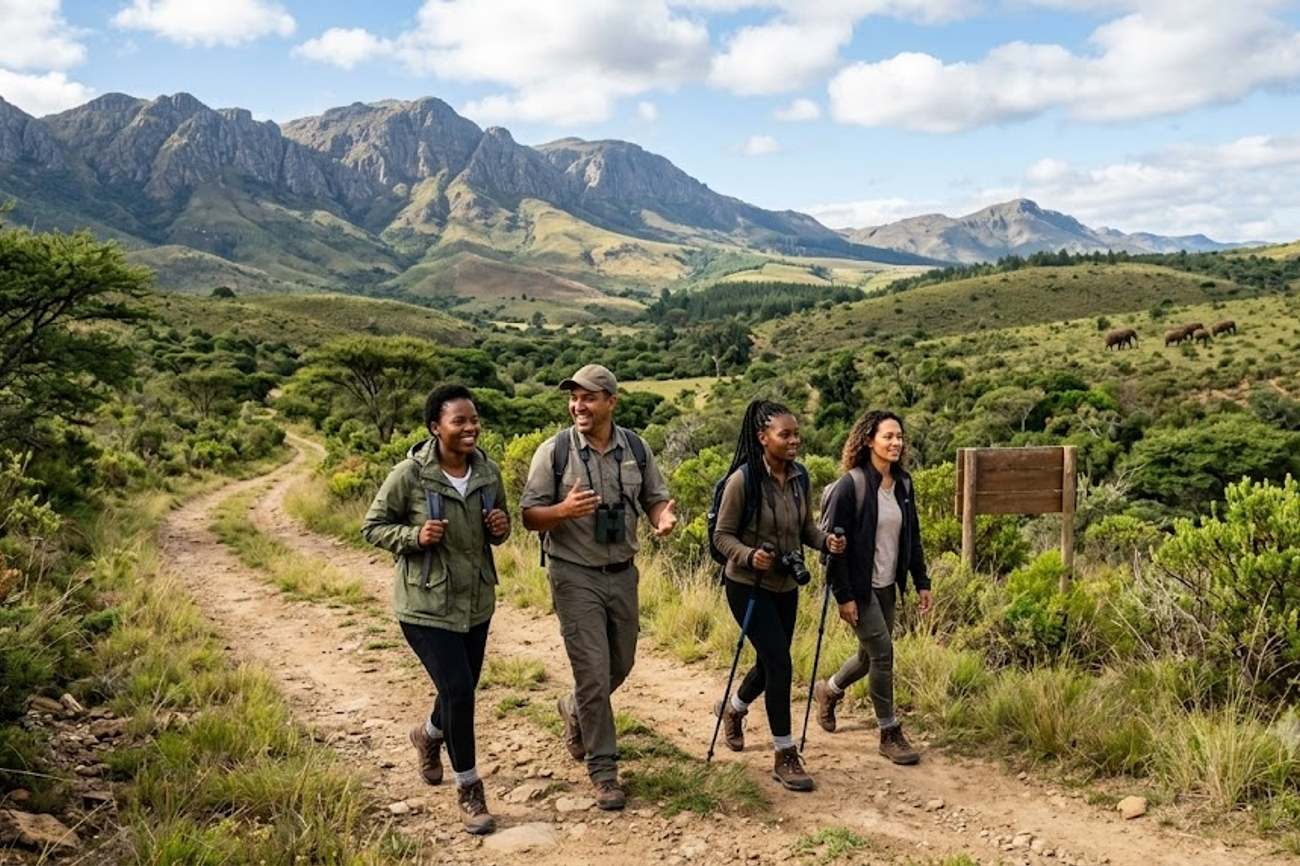
Image generated by AI
South Africa Tourism
South Africa opens 11 Eastern Cape nature reserves free to day visitors until 4 October, giving residents and travellers a limited opportunity to explore protected coastal, mountain, grassland and river landscapes without paying normal gate and conservation fees during the Eastern Cape Parks and Tourism Agency’s annual Free Access Week.
Running from 24 September to 4 October 2026, the initiative applies specifically to day access. Accommodation, organised activities, guided experiences and other chargeable products are not included, making it important for visitors to distinguish between free reserve entry and services purchased once inside.
For South Africa’s travel trade, the promotion also creates an opportunity to introduce lesser-known Eastern Cape protected areas into self-drive holidays and regional itineraries ahead of the summer travel season.
Eleven Eastern Cape Reserves Join Free Access Programme
The 2026 initiative covers 11 reserve areas across the Eastern Cape, creating options ranging from the Indian Ocean coastline to inland mountains and grasslands.
The participating protected areas are:
Nature Reserve Area or Travel Appeal East London Coast Nature Reserve Coastal landscapes around East London Silaka Nature Reserve Wild Coast Hluleka Nature Reserve Wild Coast Mkambati Nature Reserve Wild Coast Thomas Baines Nature Reserve Inland Eastern Cape Waters Meeting Nature Reserve River and inland scenery Tsolwana and Commando Drift Inland wildlife and landscapes Mpofu and Fort Fordyce Mountain and forest environments Oviston Nature Reserve Inland landscapes Ongeluksnek Nature Reserve Mountain scenery Groendal Nature Reserve Wilderness and outdoor recreation
The geographical spread is one of the initiative’s strongest tourism features.
Visitors are not being offered 11 versions of the same experience. The reserves represent different ecosystems and landscapes, allowing travellers to combine coast, mountains, forests, rivers and grassland within a wider Eastern Cape itinerary.
Wild Coast Gains a Timely Tourism Opportunity
The inclusion of Silaka, Hluleka and Mkambati places particular attention on the Wild Coast.
This section of the Eastern Cape offers dramatic coastal landscapes but is markedly different from South Africa’s heavily developed urban tourism centres. That can make it particularly attractive to travellers seeking nature-focused road trips and quieter destinations.
Free access can provide another reason for domestic visitors already travelling through the region to include a protected area in their itinerary.
The Eastern Cape Provincial Government has announced that 11 nature reserves in the region will be open to day visitors free of charge until 4 October. This initiative aims to promote tourism and encourage locals to explore the province's natural beauty, as outlined on the Eastern Cape Parks and Tourism Agency website. Visitors can enjoy a range of activities, including hiking, birdwatching, and game viewing, in these stunning reserves.
It also gives tourism businesses an opportunity to connect reserve visits with accommodation, restaurants, cultural experiences and locally operated tourism products outside the protected areas.
Free Entry Does Not Mean Every Activity Is Free
Visitors need to understand exactly what the promotion covers.
The offer removes applicable gate and conservation fees for qualifying day visitors during the promotional period. It does not turn every service within the participating reserves into a complimentary activity.
Travellers should still budget separately for services such as:
Accommodation Guided experiences Special activities Additional tourism services Other products carrying separate charges
This distinction is important for travel agencies and tour operators advertising the promotion.
Using wording such as “free reserve access” or “free day entry” is more accurate than describing an entire visit as free.
Travel Operators Can Use the Window to Develop New Products
The promotion has potential value beyond the money saved at a reserve entrance.
Tour operators can use the period to examine destinations they may not currently include in their Eastern Cape programmes.
A familiarisation journey during the campaign could help businesses assess practical issues including road access, journey times, visitor facilities and how individual reserves fit into existing itineraries.
That is particularly useful for operators based around major Eastern Cape travel gateways such as Gqeberha, East London and Mthatha.
To make the most of this opportunity, day visitors can plan their trip by checking the South African National Parks website for information on reserve opening times, facilities, and activities. The website also provides details on how to get to each reserve, as well as any specific rules or regulations that visitors need to be aware of. By planning ahead, visitors can ensure a smooth and enjoyable trip to these beautiful nature reserves.
Instead of waiting until peak season, companies can evaluate potential excursions during a period when the financial cost of testing reserve entry is lower.
Self-Drive Tourism Could Benefit
The Eastern Cape is particularly suited to road-based tourism.
Many travellers cross the province while connecting destinations elsewhere in South Africa. The commercial challenge is encouraging those motorists to stop rather than treating the province only as a route between better-known destinations.
Nature reserves can help turn transit journeys into overnight stays.
A traveller who stops for a reserve visit may also purchase accommodation, meals, fuel and other local services. This means removing an entrance fee can potentially stimulate spending elsewhere in the destination.
For tourism planners, possible combinations include:
Travel Style Opportunity Self-drive Add a reserve to an existing road itinerary Family travel Affordable spring nature excursion Wildlife tourism Introduce lesser-known protected areas Photography Coastal and mountain landscapes Hiking Combine reserve visits with outdoor activities Regional tourism Build affordable multi-stop trips Domestic tourism Encourage residents to discover nearby reserves Heritage Month Becomes a Gateway to Nature Tourism
The timing around South Africa’s Heritage Month adds another dimension.
Nature reserves protect more than scenery. They safeguard biodiversity, landscapes and environmental heritage that form part of South Africa’s wider tourism identity.
Free-access campaigns can lower one of the barriers preventing residents from discovering protected areas near their own communities.
This is particularly relevant for domestic tourism, which helps support tourism businesses outside international peak periods.
Cape Town is pursuing a similar approach in 2026, offering free access at Blaauwberg, Helderberg, Table Bay and Tygerberg nature reserves from 24 to 27 September as part of its Heritage Weekend programme.
The free access to Eastern Cape nature reserves is expected to boost tourism in the region, and visitors can find more information on accommodation, dining, and other activities on the South African Tourism website. This website is a valuable resource for travelers, providing insights into the country's diverse culture, history, and natural beauty, as well as practical tips and advice for planning a trip. By exploring the Eastern Cape's nature reserves and other attractions, visitors can experience the best of what South Africa has to offer.
The parallel initiatives demonstrate how access to protected natural spaces is being incorporated into Heritage Month tourism activity.
Spring Timing Could Help Eastern Cape Tourism Businesses
Late September and early October arrive at a useful point in South Africa’s tourism calendar.
Spring conditions can encourage outdoor travel while the main December holiday season is still ahead.
That gives tourism businesses an opportunity to test products, refresh itineraries and generate demand before the high season.
An operator could use a reserve visit as the central attraction in a broader day trip involving a restaurant, local guide or nearby accommodation provider.
The entrance saving may be relatively small compared with the total holiday budget, but it creates a straightforward promotional hook.
Visitors Should Check Conditions Before Travelling
Planning remains essential, particularly when travelling to remote reserves.
The Eastern Cape covers a large geographical area, and access conditions differ significantly between destinations. Some Wild Coast and mountain locations require considerably more travel preparation than reserves close to major towns.
Visitors should confirm conditions directly with the relevant reserve before departure.
Important points include:
Current opening and closing times Road and weather conditions Vehicle suitability Available visitor facilities Activity charges Accommodation availability Any temporary access restrictions
This becomes particularly important after heavy rainfall, when access roads in remote
FAQ: South Africa Opens 11 Eastern Cape Nature Reserves 2026
What is the offer? Free entry to 11 Eastern Cape nature reserves.
How long is the offer valid? Until 4 October 2026.
What type of visitors is the offer for? Day visitors.
Are there any restrictions? No booking or payment required.
Related Travel Guides
- Nicaragua Faces New UN Crimes Against Humanity Findings as Experts Document 161 Disappearances
- Mexico Faces Dangerous Hurricane Polo as Guerrero and Michoacán Brace for Flooding and Coastal Threats
- Türkiye Teams Up Canada To Create A Cross Continental Tourism And Trade Corridor With Fresh Growth Opportunities
Disclaimer
This article is for informational and educational purposes only. It does not constitute legal, financial, or professional advice. While we strive to provide accurate and up-to-date information, travel policies, regulations, and conditions change rapidly. Always verify information with official sources before making travel decisions. Nomad Lawyer makes no representations about the accuracy, reliability, completeness, or suitability of the information provided. Readers should consult qualified professionals for advice specific to their circumstances. The views expressed in this article are those of the author and do not necessarily reflect the views of Nomad Lawyer.
Naina Thakur
Contributor & Travel Specialist
Travel enthusiast and legal writer covering visa regulations, responsible tourism, and cultural journeys across global destinations.
Learn more about our team →