
Saudi Arabia Restores Hajj Eligibility for Pilgrims Aged 12 and Above
Saudi Arabia has abruptly reversed its ban on pilgrims under 15 for the annual Hajj, restoring eligibility for children aged 12 and above and prompting a massive recalibration of family travel plans and airline logistics.

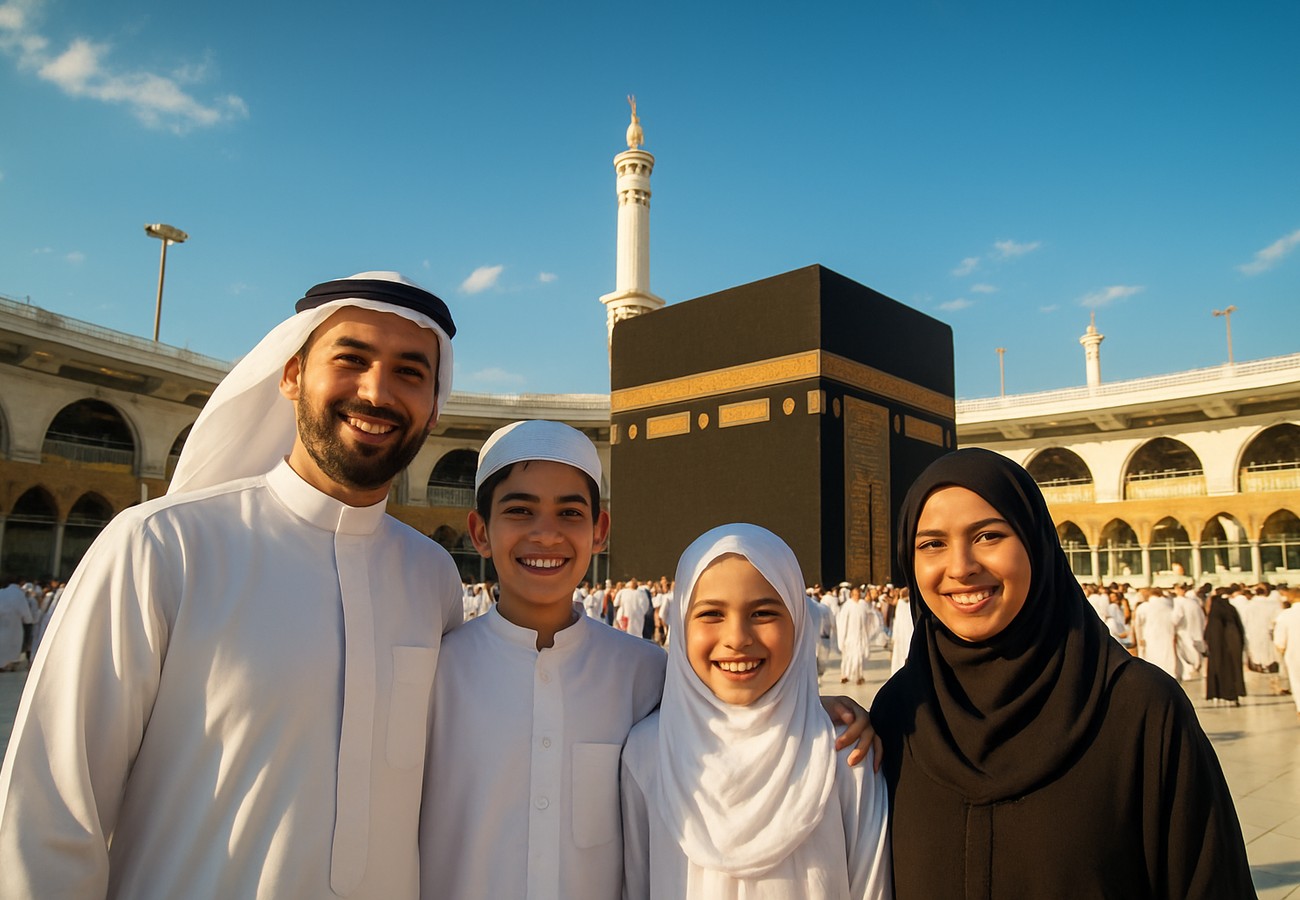
Image generated by AI
Quick Summary
- Saudi Arabia's Ministry of Hajj and Umrah has abruptly reversed a newly introduced policy that barred pilgrims under the age of 15 from participating in the annual Hajj pilgrimage.
- The reversal reinstates previous eligibility criteria, allowing children aged 12 and above to perform the Hajj, immediately unblocking thousands of disrupted family travel plans.
- The original restriction, intended to take effect on May 3, 2026, triggered widespread concern and visa cancellations across major participating countries including Pakistan, India, Bangladesh, and Indonesia before being retracted within hours.
- The policy shift requires immediate visa reprocessing and significant logistical adjustments for airlines operating charter services out of hubs like Karachi, New Delhi, Mumbai, Jakarta, and Kuala Lumpur.
In a swift policy reversal that has triggered immediate recalibrations across the global travel industry, Saudi Arabia has lifted a brief ban on pilgrims under the age of 15 for the annual Hajj pilgrimage. The Kingdom’s Ministry of Hajj and Umrah has officially restored the previous policy, allowing children aged 12 and above to participate in one of the world's largest religious gatherings.
The initial restriction, which was slated to take effect on May 3, 2026, caused temporary chaos for travel operators and families across the globe. Its rapid reversal has brought profound relief to the international Muslim community while simultaneously creating a logistical sprint for aviation authorities, tour operators, and hospitality providers in Jeddah, Mecca, and Medina.
From Restriction to Restoration: The 2026 Policy Reversal
The short-lived ban on pilgrims under 15 threatened to derail the itineraries of thousands of families who had spent months preparing for the journey. Visas that had been cancelled or rejected during the brief restriction period are now eligible for reprocessing under the restored guidelines.
Saudi aviation authorities have already been instructed to update their travel permissions. This rapid alignment means affected pilgrims can immediately proceed with securing health clearances, travel authorizations, and airline confirmations.
For the international travel market, the reversal is consequential. The Hajj pilgrimage is a cornerstone event that generates billions in economic activity across aviation, hospitality, and ground transportation.
Global Impact: Asia and the Middle East
The reversal is particularly impactful for nations with the highest volumes of Hajj participants. Pakistan, India, Bangladesh, and Indonesia represent massive segments of the pilgrimage demographic, where traveling as a multi-generational family unit is deeply embedded in the cultural fabric of the Hajj experience.
Airlines and Aviation Logistics: Airlines managing dedicated Hajj charter flights face immediate operational adjustments to accommodate the reinstated younger demographic. Key international departure hubs will see heightened demand and required manifest adjustments, including:
- Pakistan: Karachi, Lahore, and Islamabad
- India: New Delhi and Mumbai
- Southeast Asia: Jakarta and Kuala Lumpur
Aviation authorities and ground handlers must now coordinate boarding support, baggage handling, and in-flight assistance tailored to larger family cohorts, while Saudi immigration checkpoints brace for an influx of reprocessed visas.
Economic Ripple Effects in Saudi Arabia
Beyond the spiritual significance, the Hajj is a massive economic driver for Saudi Arabia's tourism and hospitality sectors. The restoration of family travel eligibility directly expands the demographic footprint of the 2026 pilgrimage.
Hospitality and Accommodation: Hotels in Jeddah, Medina, and Mecca are anticipating occupancy spikes, specifically for family suites and larger room configurations designed for multi-generational groups. Families traveling together historically spend more on ancillary services, including organized group tours, local excursions, and specialized dining, driving broader revenue across the Kingdom's local commerce sectors.
Tour Operator Strategy: For Hajj travel agencies, the reversal requires a rapid pivot. Operators who had scrambled to downsize group itineraries must now:
- Recalibrate packages to include child-friendly services and dedicated guides
- Manage the surge in visa reprocessing and flight reconfirmations
- Communicate transparently with clients via digital platforms to navigate the last-minute policy shift
Health and Safety Considerations for Younger Pilgrims
While the eligibility restoration is a welcome development for families, travel professionals emphasize that the Hajj remains a physically demanding journey. The harsh desert climate, characterized by extreme daytime temperatures, poses specific risks for younger travelers.
Travelers aged 12 to 15 require targeted health planning, including:
- Strict hydration strategies to combat heat-related illnesses
- Comprehensive pre-travel health consultations and necessary vaccinations
- Robust travel insurance that covers emergency medical interventions
Tour operators are increasingly incorporating contingency health protocols into their family packages, ensuring that younger pilgrims receive adequate logistical and physical support while navigating the crowded conditions and long walking distances inherent to the pilgrimage.
FAQ: Saudi Arabia Hajj Age Eligibility 2026
What is the minimum age to perform Hajj in 2026? Following a recent policy reversal, Saudi Arabia has restored Hajj eligibility for pilgrims aged 12 and above. A brief ban on individuals under 15 was introduced but subsequently lifted.
What happens if my child's Hajj visa was cancelled under the under-15 ban? Pilgrims whose visas were cancelled or rejected during the brief restriction period are now eligible for reprocessing. Families must coordinate with their authorized travel agents to re-submit documentation under the restored age guidelines.
Which countries are most affected by the Hajj family travel rules? Countries with the largest Muslim populations and highest Hajj quotas, including Indonesia, Pakistan, India, and Bangladesh, are the most heavily impacted by shifts in family travel and age eligibility policies.
Related Travel Guides
Disclaimer
This article is for informational and educational purposes only. It does not constitute legal, financial, or professional advice. While we strive to provide accurate and up-to-date information, travel policies, regulations, and conditions change rapidly. Always verify information with official sources before making travel decisions. Nomad Lawyer makes no representations about the accuracy, reliability, completeness, or suitability of the information provided. Readers should consult qualified professionals for advice specific to their circumstances. The views expressed in this article are those of the author and do not necessarily reflect the views of Nomad Lawyer.
Kunal K Choudhary
Co-Founder & Contributor
A passionate traveller and tech enthusiast. Kunal contributes to the vision and growth of Nomad Lawyer, bringing fresh perspectives and driving the community forward.
Learn more about our team →