
Alaska Airlines Completes Ambitious Fleet-Wide Cabin Upgrade After Nearly Two Years of Intensive Renovations
Breaking airline news and aviation industry updates for 2026.

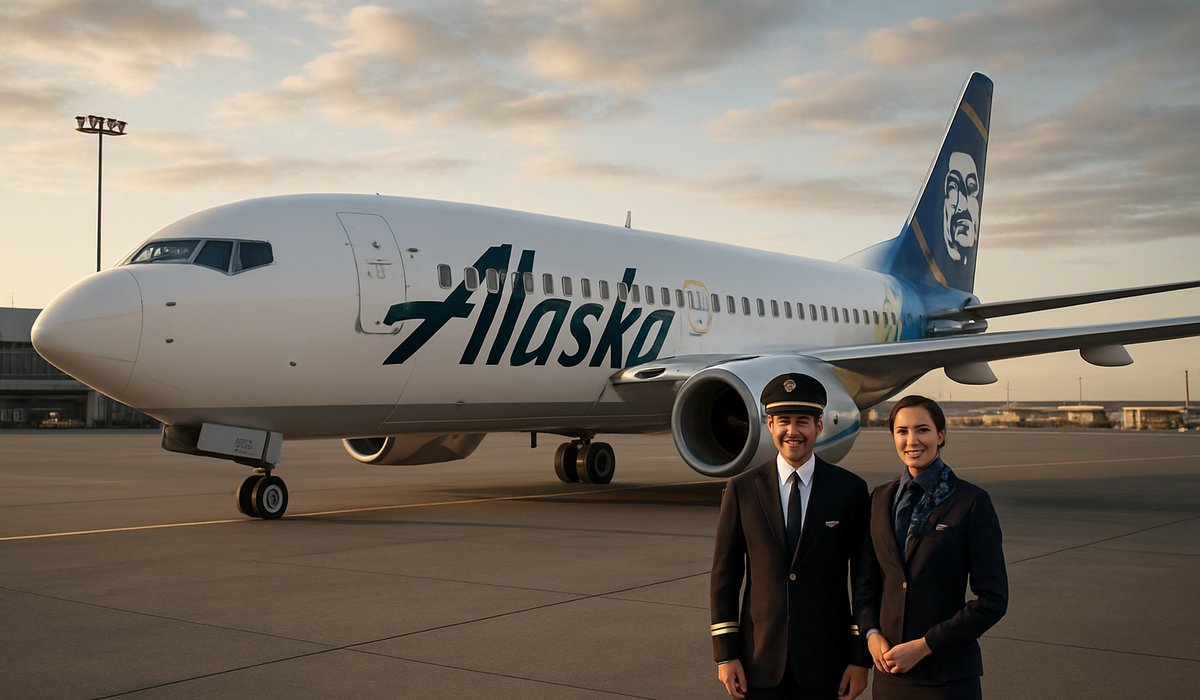
Image generated by AI
Alaska Airlines Completes Ambitious Fleet-Wide Cabin Upgrade After Nearly Two Years of Intensive Renovations
The carrier retrofitted over 200 Boeing 737s with premium seating in record-breaking three-day cycles, reshaping its competitive positioning in North American aviation
Major Milestone Marks End of Historic Fleet Modernization
Alaska Airlines has officially concluded an extensive premium cabin refresh program affecting its entire Boeing 737 fleet, with the final aircraft returning to scheduled service last week. The comprehensive initiative, which commenced in early 2024, represents one of the aviation industry's most ambitious single-aircraft modernization efforts in recent years, fundamentally altering the carrier's product offering and market competitiveness across North American routes.
The scope of the undertaking underscores the operational complexity required to maintain service schedules while executing fleet-wide improvements. Alaska Airlines successfully processed more than 200 narrowbody aircraft through its renovation pipeline, with each plane completing its transformation in remarkably tight three-day turnaround windows—a logistical achievement that required meticulous coordination between maintenance teams, supply chain management, and flight scheduling operations.
Operational Achievement Reflects Industry Pressures
The completion of this upgrade cycle demonstrates Alaska Airlines' strategic response to intensifying competitive pressures within the United States aviation sector. Premium cabin enhancements have become increasingly critical as carriers vie for revenue opportunities beyond standard economy fares, particularly as passenger demand remains robust across domestic networks.
The carrier's decision to systematically upgrade all 737s rather than implementing gradual improvements signals confidence in sustained travel demand and the financial viability of enhanced seating configurations. This approach contrasts with more conservative strategies adopted by some competitors, reflecting management's commitment to product differentiation in a crowded marketplace.
Fleet Modernization in Context of Aviation Industry Trends
Alaska Airlines' project completion arrives as the broader aviation sector navigates multifaceted challenges including elevated jet fuel prices, labor cost pressures, and evolving passenger expectations regarding in-flight comfort. Carriers have increasingly turned to cabin modifications and ancillary revenue streams—including baggage charges and premium seating fees—to offset operational cost escalation.
The two-year renovation timeline required synchronized scheduling across Alaska Airlines' network operations, necessitating sophisticated planning to minimize revenue disruption while ensuring each aircraft met refurbishment standards. The successful execution of this program positions the carrier competitively as it pursues market share among premium-conscious travelers on high-frequency routes.
Looking Forward
With the fleet modernization now concluded, Alaska Airlines can redirect operational focus toward maximizing revenue potential from its upgraded cabin products and managing post-pandemic demand normalization across its network.
Frequently Asked Questions
What was the scope of Alaska Airlines' cabin upgrade program? Alaska Airlines refurbished more than 200 Boeing 737 aircraft with new premium seating configurations, completing the initiative over approximately two years starting in 2024.
How quickly did Alaska Airlines process each aircraft through the renovation program? Each plane underwent modification in three-day turnaround cycles, enabling rapid fleet-wide transformation while maintaining operational schedules.
Why do airlines invest in premium cabin upgrades? Premium seating enhancements generate incremental ancillary revenue, improve competitive positioning, and support pricing strategies amid rising operational costs including elevated jet fuel expenses.
How does this modernization affect passenger ticket prices? While basic fares may remain competitive, passengers selecting premium cabin seats can expect higher pricing reflecting improved comfort, amenities, and onboard services.
What does this program indicate about Alaska Airlines' financial strategy? The ambitious scope demonstrates management confidence in sustained demand, justifying significant capital investment in product differentiation and revenue optimization initiatives.
Related Travel Guides
External Resources
Disclaimer
This article is for informational and educational purposes only. It does not constitute legal, financial, or professional advice. While we strive to provide accurate and up-to-date information, travel policies, regulations, and conditions change rapidly. Always verify information with official sources before making travel decisions. Nomad Lawyer makes no representations about the accuracy, reliability, completeness, or suitability of the information provided. Readers should consult qualified professionals for advice specific to their circumstances. The views expressed in this article are those of the author and do not necessarily reflect the views of Nomad Lawyer.
Preeti Gunjan
Contributor & Community Manager
A passionate traveller and community builder. Preeti helps grow the Nomad Lawyer community, fostering engagement and bringing the reader experience to life.
Learn more about our team →