
Alaska Airlines' Seamless Exit From Boeing 737-900 Fleet Signals Strategic Fleet Modernization Push
Breaking airline news and aviation industry updates for 2026.

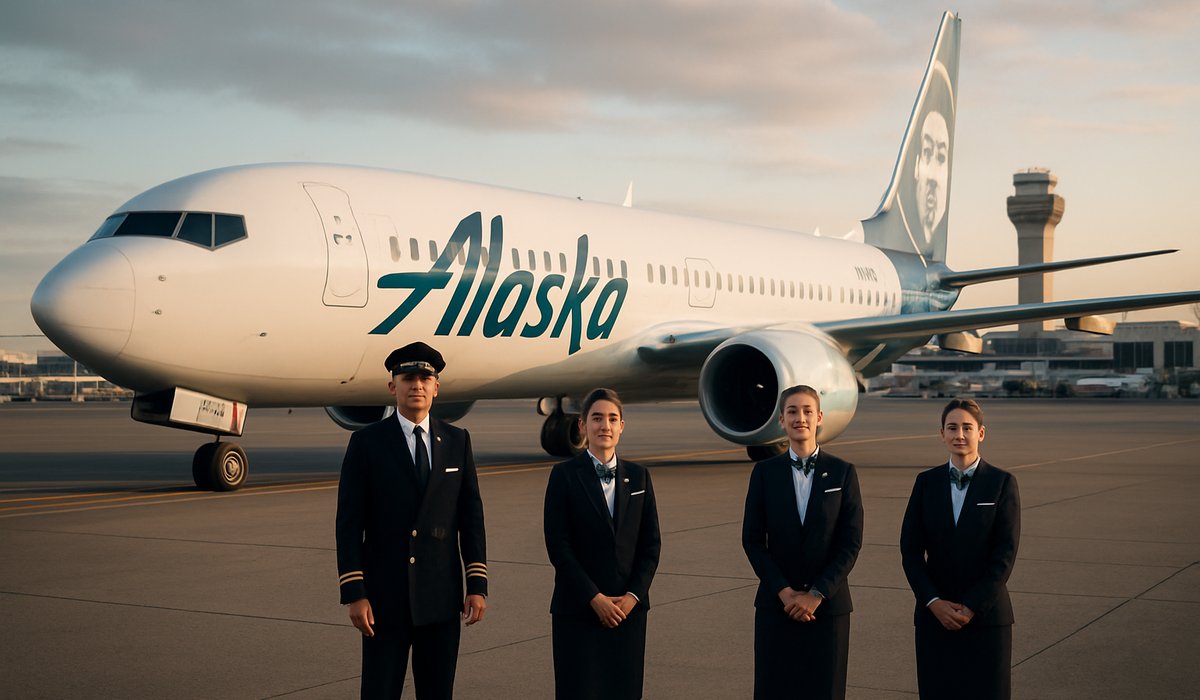
Image generated by AI
Alaska Airlines' Seamless Exit From Boeing 737-900 Fleet Signals Strategic Fleet Modernization Push
The carrier completes phased retirement of aging narrowbody variant amid broader industry shift toward fuel-efficient aircraft
Streamlining Operations: Alaska Airlines Retires Older Boeing Variant
Alaska Airlines has successfully completed the retirement of its Boeing 737-900 fleet, marking a significant milestone in the carrier's ongoing fleet modernization strategy. As one of the world's largest Boeing 737 operators, Alaska Airlines maintains multiple variants of the venerable narrowbody aircraft across its network—yet the carrier expressed minimal hesitation in divesting from this particular generation.
The decision underscores a broader industry trend where legacy aircraft are being phased out in favor of newer, more economical platforms. For Alaska Airlines, which continues to operate five distinct Boeing 737 passenger variants, the 737-900 retirement represents a calculated operational streamlining that aligns with cost management priorities across the sector.
Why the Transition Posed Minimal Disruption
Industry analysts suggest Alaska Airlines faced few operational obstacles during the 737-900 phase-out, largely due to the carrier's diversified narrowbody portfolio. Unlike carriers heavily dependent on single aircraft types, Alaska's mixed fleet composition provided adequate capacity alternatives to absorb routes previously served by the retired variant.
The timing of the retirement also reflects broader industry dynamics. Rising jet fuel prices and evolving emissions standards have accelerated carriers' decisions to retire older, less efficient aircraft. The 737-900, while reliable, consumes more fuel per available seat mile compared to newer generation variants like the 737 MAX and 737-800 aircraft that dominate Alaska's current operations.
Strategic Fleet Positioning in a Competitive Market
Alaska Airlines' approach demonstrates how established carriers are managing fleet economics in an increasingly competitive landscape. By maintaining operational flexibility through multiple aircraft types, the airline avoided the costly disruptions that accompany wholesale fleet transitions.
The carrier's decision also reflects confidence in alternative capacity solutions. Modern 737 variants offer superior fuel efficiency, reduced maintenance costs, and enhanced passenger comfort features—elements increasingly important as carriers navigate volatile operating expenses and competitive pricing pressures.
For Alaska Airlines, the 737-900 retirement was less a difficult strategic choice and more a logical step within a comprehensive fleet optimization plan that positions the carrier for sustained profitability across its West Coast and growing network footprint.
Frequently Asked Questions
Why are airlines retiring older Boeing 737 aircraft like the 737-900? Newer variants offer superior fuel efficiency, lower operating costs, and reduced maintenance requirements. With jet fuel prices remaining volatile, carriers prioritize aircraft that maximize revenue per available seat mile while minimizing fuel consumption.
How many Boeing 737 variants does Alaska Airlines currently operate? Alaska Airlines maintains five distinct Boeing 737 passenger variants in its active fleet following the 737-900 retirement.
What impact does aircraft retirement have on airline fees and passenger costs? Fleet modernization can reduce per-passenger operating costs, potentially affecting baggage charges, fuel surcharges, and overall ticket pricing. However, competitive market pressures often determine final pricing rather than aircraft efficiency gains alone.
How does fleet modernization affect the broader aviation industry? Widespread retirement of older aircraft accelerates industry-wide fuel cost management and emissions reduction, influencing everything from airport infrastructure investments to ancillary revenue strategies across carriers globally.
Which aircraft are replacing retired 737s in Alaska Airlines' network? Modern variants like the Boeing 737 MAX and 737-800 provide enhanced capacity and efficiency, allowing carriers to maintain or expand service while reducing operational expenses.
Related Travel Guides
External Resources
Disclaimer
This article is for informational and educational purposes only. It does not constitute legal, financial, or professional advice. While we strive to provide accurate and up-to-date information, travel policies, regulations, and conditions change rapidly. Always verify information with official sources before making travel decisions. Nomad Lawyer makes no representations about the accuracy, reliability, completeness, or suitability of the information provided. Readers should consult qualified professionals for advice specific to their circumstances. The views expressed in this article are those of the author and do not necessarily reflect the views of Nomad Lawyer.
Raushan Kumar
Founder & Lead Developer
Full-stack developer with 11+ years of experience and a passionate traveller. Raushan built Nomad Lawyer from the ground up with a vision to create the best travel and law experience on the web.
Learn more about our team →