
Nicaragua Pacific Coast Infrastructure Surge: Carretera Costanera Opens 62 Beaches for 2026 Tourism
New road infrastructure along Nicaragua's Pacific coast, including the completed Carretera Costanera, is driving a surge in international arrivals and spending in Rivas and San Juan del Sur.

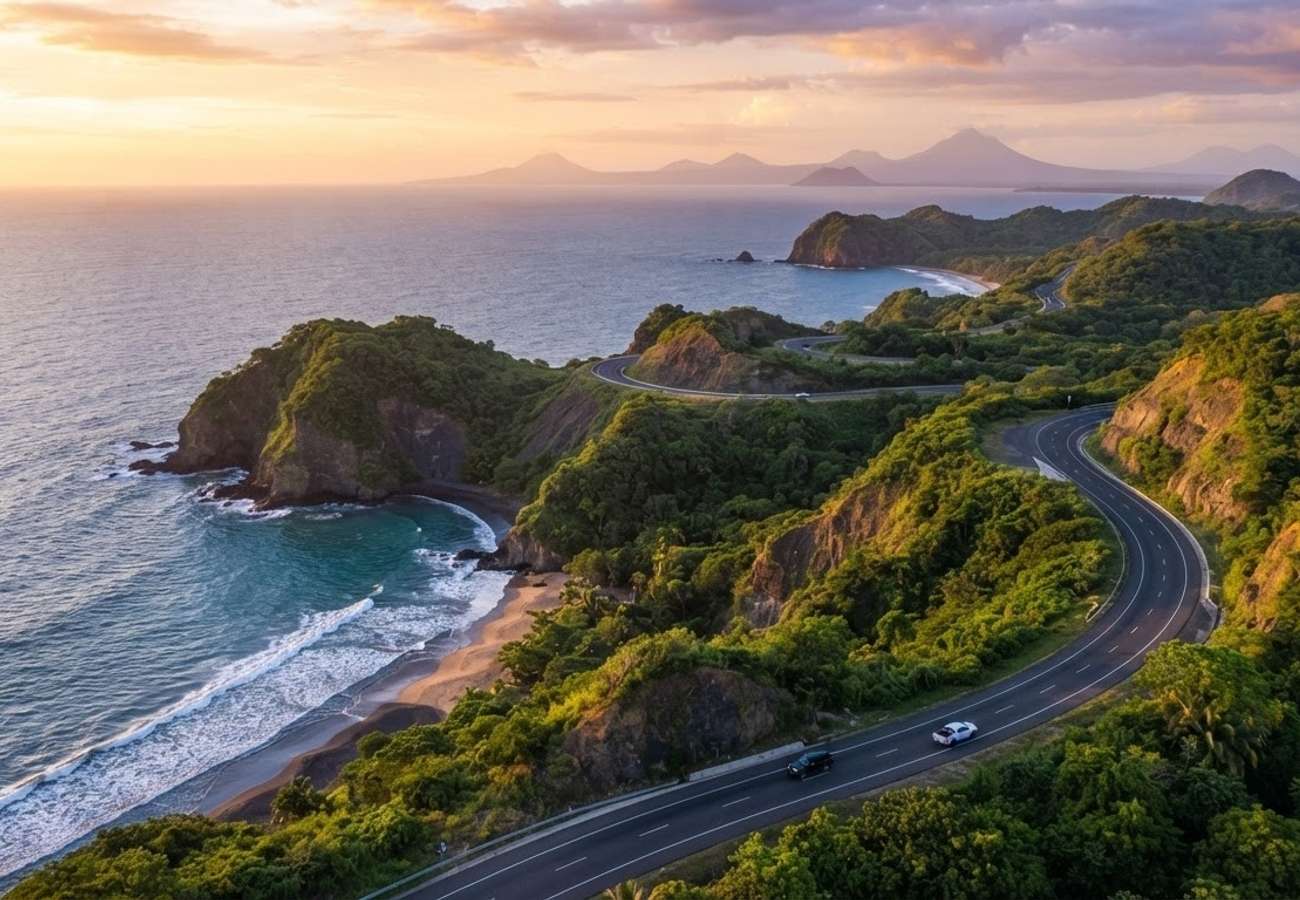
Image generated by AI
The completion of the Carretera Costanera infrastructure has fundamentally altered the geography of Nicaragua's Pacific coast, providing streamlined access to 62 beaches and driving a 40.1% increase in tourism receipts.
Pacific Coast Infrastructure Expansion
The logistical landscape for travelers in Nicaragua has shifted following the strategic expansion of the Carretera Costanera. The total Costanera route now spans 89 kilometers, following the completion of a 30-kilometer third stage.
In July 2026, official reports confirmed the completion of the first phase, covering 119 kilometers from El Naranjo to Masachapa. This development removes previous transit barriers, allowing visitors to access remote coastal regions and beaches that were previously unreachable via standard road networks.
Regional Connectivity and Route Impact
Our analysis of the new road network indicates a transition from "single-destination" trips to integrated coastal circuits. The improved infrastructure allows for seamless travel between several high-value hubs:
- Primary Hubs: San Juan del Sur and Rivas.
- Integrated Coastal Communities: Tola, El Astillero, and Popoyo.
- Key Access Points: El Naranjo and Masachapa.
- Strategic Reach: Direct road access to 62 distinct Pacific beaches.
For the self-drive traveler, this connectivity enables flexible itineraries that combine surfing hubs, nature-focused activities, and small coastal businesses without the need for arduous off-road transit.
2026 Tourism Performance Metrics
Data provided by the Nicaragua Tourism Institute (INTUR) confirms a significant upward trend in international travel activity for the 2026 period.
Visitor Volume and Revenue
| Metric | 2026 Figure | Comparison/Detail |
|---|---|---|
| Total Visitor Arrivals (Jan-Apr) | 499,899 | Up from 463,131 in 2025 |
| International Arrivals | 284,610 | Subset of total arrivals |
| Tourism-Specific Visits | 131,935 | Primary reason for travel |
| Tourism Receipts (Q1) | $159 Million | 40.1% increase vs 2025 |
| Average Daily Spend | $49.10 | Non-resident visitors |
| Average Length of Stay | 10.1 Days | General average |
Regional Spending and Duration Analysis
Flight and transit data show varying patterns based on the visitor's origin:
- European Visitors: Highest average stay at 14.7 days.
- North American Visitors: Average stay of 12.7 days.
- South American Visitors: Highest economic impact with an average daily spend of $148.20.
Passenger Advisory: Navigating the New Coastal Routes
For the affected traveler planning a 2026 visit, the shift in infrastructure necessitates a change in logistics and legal considerations regarding transit.
Rental and Transit Rights Our analysis of local rental policies suggests that travelers should verify "all-terrain" requirements even on the Costanera. While the primary route is paved, accessing the 62 specific beaches often requires transitioning to secondary roads. Ensure your rental agreement covers "unpaved road usage" to avoid insurance voids.
Itinerary Optimization The data suggests that the most efficient route now involves a "Cultural-to-Coastal" pipeline. Travelers should anchor their trip in León and Granada for colonial architecture and Lake Nicaragua before transitioning south through the Costanera corridor toward Rivas and San Juan del Sur.
Remote Region Logistics While the Pacific coast is now highly connected, travelers heading to the Caribbean coast (Bluefields and Corn Island) or Ometepe Island must account for entirely different transit frameworks, as these regions remain decoupled from the Costanera road network.
The 40.1% surge in tourism receipts is not merely a result of increased volume, but a shift in visitor behavior. The increase in the average stay (10.1 days) indicates that the Carretera Costanera is successfully converting "stopover" visitors into "long-stay" tourists.
By decentralizing tourism away from the capital and traditional hubs, Nicaragua is distributing economic gains across smaller coastal communities. The high daily spend from South American visitors suggests a growing luxury and boutique market in the Tola and Popoyo regions, which were previously limited by accessibility.
The integration of the Pacific coast marks a pivotal shift in Nicaragua's competitive positioning within Central American tourism for 2026.
Related Travel Guides
Disclaimer
This article is for informational and educational purposes only. It does not constitute legal, financial, or professional advice. While we strive to provide accurate and up-to-date information, travel policies, regulations, and conditions change rapidly. Always verify information with official sources before making travel decisions. Nomad Lawyer makes no representations about the accuracy, reliability, completeness, or suitability of the information provided. Readers should consult qualified professionals for advice specific to their circumstances. The views expressed in this article are those of the author and do not necessarily reflect the views of Nomad Lawyer.
Raushan Kumar
Founder & Lead Developer
Full-stack developer with 11+ years of experience and a passionate traveller. Raushan built Nomad Lawyer from the ground up with a vision to create the best travel and law experience on the web.
Learn more about our team →