
Aruba Tourism Surges in September 2026 as Travelers Bypass Hurricane Belt for Sustainable Travel
Aruba reports a significant tourism spike in late 2026, leveraging its position outside the hurricane belt and a new strategic shift toward sustainable, community-based exploration.
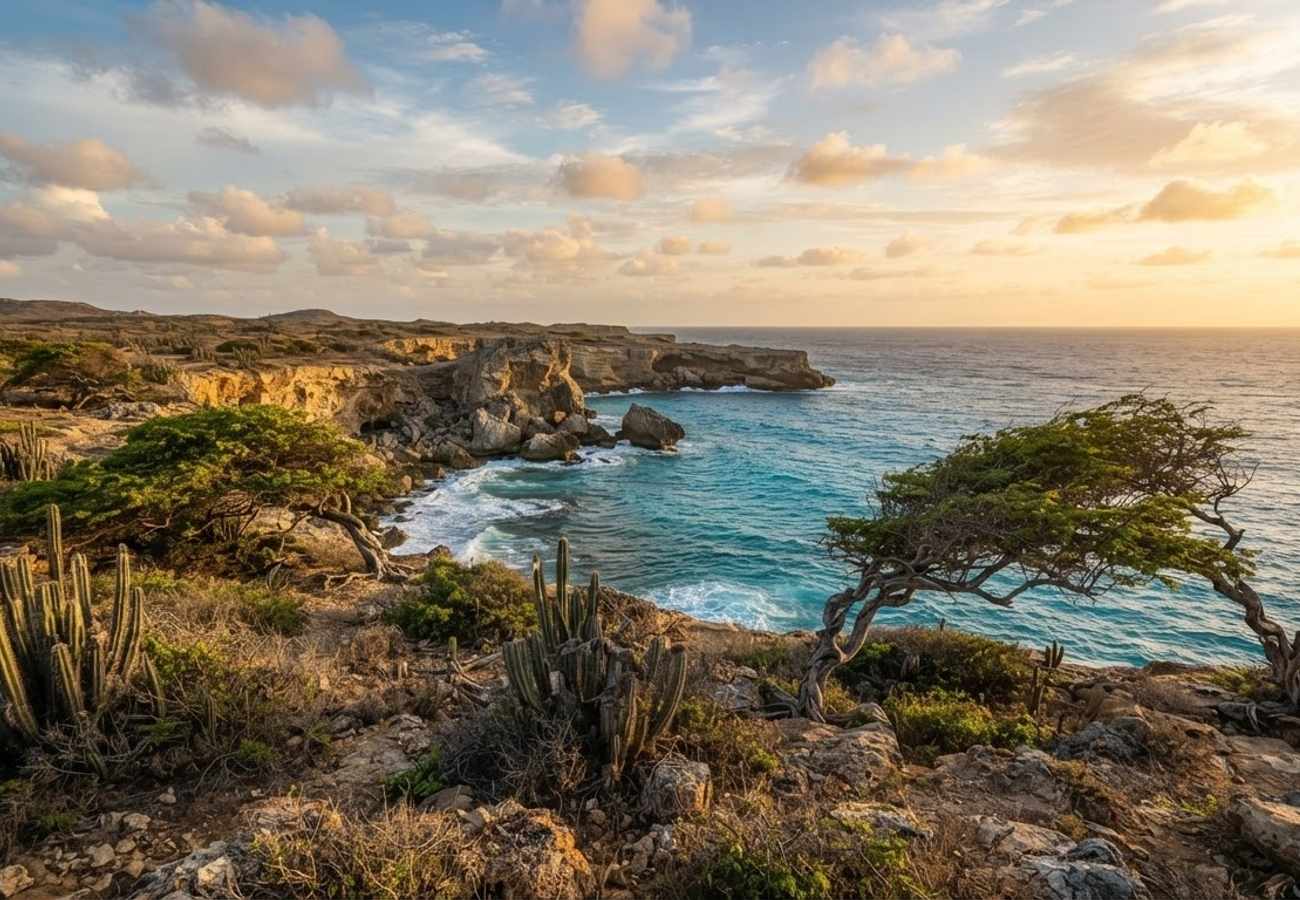
Image generated by AI
Aruba is defying the traditional Caribbean "off-season" by attracting a surge of autumn travelers seeking guaranteed sun and a lower risk of tropical storms. By positioning itself as a safe haven outside the primary hurricane belt, the island is successfully diversifying its appeal beyond luxury resorts.
Strategic Shift Toward Sustainable Exploration
Aruba is currently pivoting its tourism model away from the "all-inclusive" resort bubble. The current strategy emphasizes sustainable tourism, encouraging visitors to venture beyond the high-rise hotel districts of Palm Beach and San Nicolas to explore the island's authentic interior.
This shift aims to distribute economic benefits more evenly across the local community. Data indicates a measurable increase in visitor spending within local supermarkets, public transportation, retail stores, and independent restaurants, signaling a move toward a more integrated travel experience.
The government is aligning these efforts with a new 2026-2030 framework. This policy acknowledges the structural limitations of previous tourism models and seeks to protect the island's fragile ecosystems, including its coral reefs and native flora across its 70 square miles of land.
The "Hurricane Belt" Advantage
While September through November is typically viewed as the off-season for the Caribbean, Aruba’s southern geographic position provides a distinct competitive edge. Because the island sits outside the main hurricane belt, it remains a primary target for North American travelers who wish to avoid the volatility of tropical storm seasons.
Although passing systems can occasionally bring wind or rain, the risk of a major hurricane is considerably lower than in the northern Caribbean. This climate profile has transformed the autumn travel calendar, allowing for consistent hiking, diving, and water sports while other regional destinations face potential disruptions.
Accessibility remains a key driver of this growth, with Queen Beatrix International Airport maintaining frequent nonstop and connecting flight paths from major North American hubs.
Diversification Through San Nicolas and the Interior
The southern city of San Nicolas has emerged as a cornerstone of Aruba's cultural diversification. Once an industrial hub, the city is now a center for street art, murals, and local gastronomy.
Recent public investments have revitalized historical areas and public spaces to integrate tourism with local economic development. A prime example of this was the San Nicolas Food Truck Festival in August 2026, which highlighted local entrepreneurship and culinary heritage.
Beyond the urban centers, Aruba is promoting its unique arid geography. The island's interior offers a stark contrast to typical tropical imagery, featuring:
- Arikok National Park: The primary destination for rugged hiking and wildlife spotting.
- Desert Landscapes: Vast areas of cacti and rocky formations.
- Coastal Viewpoints: Remote vistas that offer a quieter alternative to resort beaches.
The island's compact size allows travelers based in Oranjestad to transition from a beach environment to a desert landscape within a single day, making it an efficient destination for short-stay visitors.
July 2026 Tourism Performance Data
The effectiveness of these strategies is reflected in the most recent official statistics. The island saw strong overnight visitor numbers in mid-summer, setting a high baseline for the autumn surge.
| Metric | July 2026 Statistics |
|---|---|
| Total Overnight Tourists | 160,858 |
| Total Tourist Nights | 1.07 Million |
| Average Length of Stay | 6.7 Nights |
Key Takeaways
- Climate Resilience: Aruba's location outside the hurricane belt makes it a premier autumn destination for sun-seekers.
- Economic Diversification: Tourism is shifting from resort-centric spending to local businesses, including retail and public transport.
- Cultural Pivot: San Nicolas is being repositioned as a cultural and artistic hub to draw visitors away from crowded beach zones.
- Sustainability Focus: The 2026-2030 framework prioritizes the protection of the island's 70 sq mi of fragile ecosystems.
Frequently Asked Questions
Is Aruba safe to visit during hurricane season? Yes. Aruba is located in the southern Caribbean, outside the main hurricane belt, making the risk of major tropical storms significantly lower than in other Caribbean islands.
What is the best way to explore Aruba's interior? Many visitors rent vehicles or join guided excursions to visit Arikok National Park and the island's desert landscapes, as these areas are distant from the main hotel districts.
How has San Nicolas changed as a tourist destination? San Nicolas has transitioned from an industrial center to a cultural destination known for its street art, murals, and local food festivals.
Aruba continues to redefine the Caribbean experience by blending ecological responsibility with a strategic geographic advantage.
Related Travel Guides
Disclaimer
This article is for informational and educational purposes only. It does not constitute legal, financial, or professional advice. While we strive to provide accurate and up-to-date information, travel policies, regulations, and conditions change rapidly. Always verify information with official sources before making travel decisions. Nomad Lawyer makes no representations about the accuracy, reliability, completeness, or suitability of the information provided. Readers should consult qualified professionals for advice specific to their circumstances. The views expressed in this article are those of the author and do not necessarily reflect the views of Nomad Lawyer.
Naina Thakur
Contributor & Travel Specialist
Travel enthusiast and legal writer covering visa regulations, responsible tourism, and cultural journeys across global destinations.
Learn more about our team →