
US Updates Peru Travel Advisory 2026: Safety Shifts for Machu Picchu and Amazon Regions
The United States has updated its travel advisory for Peru, maintaining a Level 2 status while warning visitors about regional crime, kidnapping risks, and unregulated traditional substances.

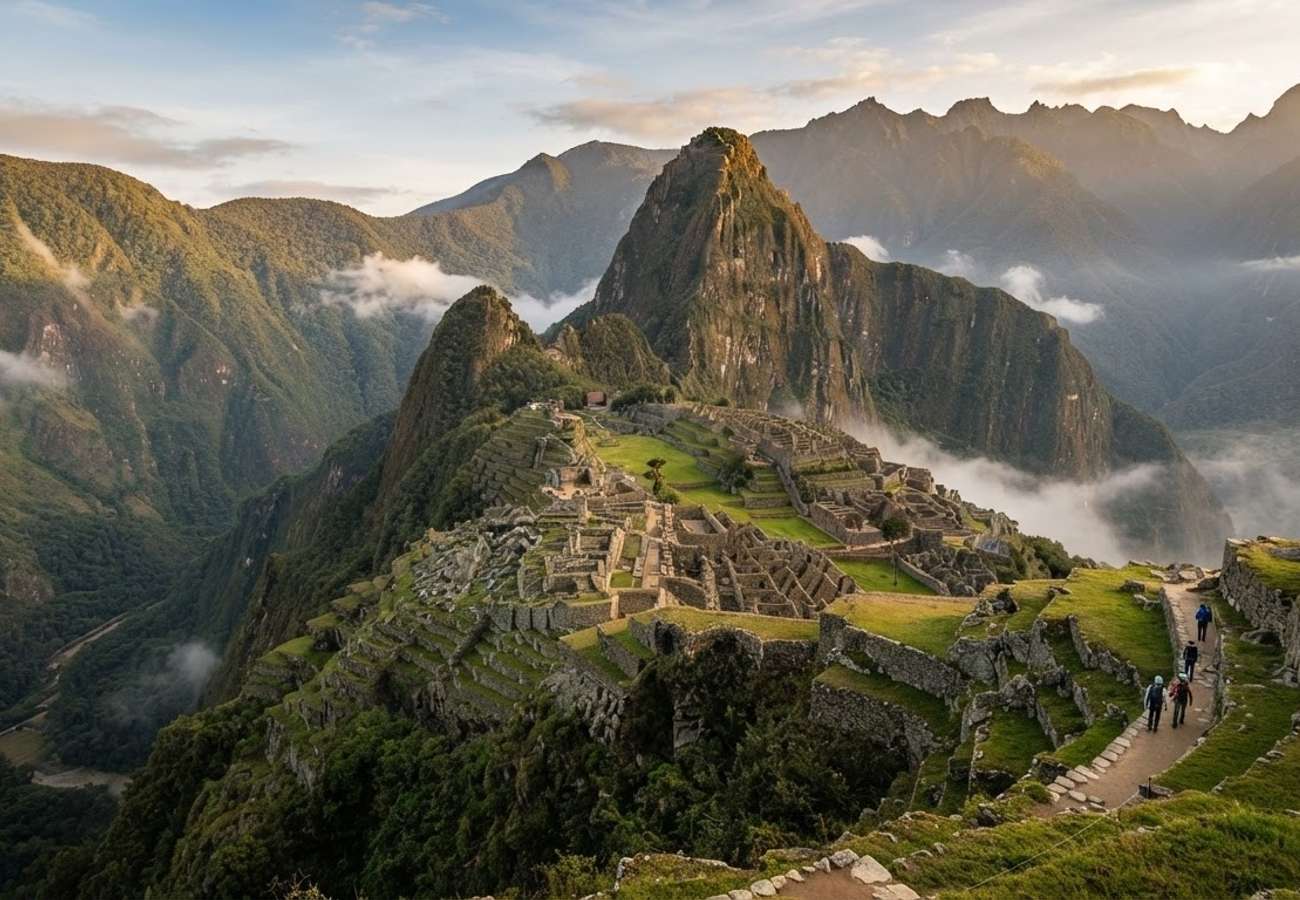
Image generated by AI
The United States has maintained Peru at a Level 2 "Exercise Increased Caution" status, but new warnings regarding "express kidnappings" and unregulated Amazonian retreats signal a shift in traveler risk profiles.
The updated guidance from US authorities emphasizes that while Peru remains a premier global destination, security is not uniform across the country. Travelers are urged to differentiate between high-traffic tourism corridors and volatile border or jungle regions.
Regional Security Disparities in Peru
The current advisory does not suggest a blanket restriction on visiting Peru. Instead, it highlights a fragmented security environment where risks vary by province and region.
For the majority of international visitors, the primary tourism circuit remains operational and accessible. However, the US government warns that crime, civil unrest, and terrorism are concentrated in specific pockets of the country.
This nuanced approach reflects a broader trend in 2026 travel, where "destination awareness" is replacing general country-wide assumptions. Travelers are now expected to conduct granular research on specific municipalities rather than relying on national averages.
Status of Major Tourism Hubs: Cusco and Machu Picchu
Despite the updated warnings, Peru’s economic engines—Cusco, the Sacred Valley, the Inca Trail, and Machu Picchu—are not located within the highest-risk zones.
These areas continue to welcome millions of visitors drawn to Andean culture and archaeological sites. However, the advisory notes that high-density tourist areas are prime targets for opportunistic crime.
To mitigate risks in these hubs, visitors should:
- Utilize only authorized and licensed transport providers.
- Avoid displaying high-value electronics or jewelry in crowded markets.
- Maintain high situational awareness in transit hubs.
Critical Warnings on Crime and "Express Kidnappings"
A primary driver of the updated advisory is the prevalence of urban crime. US officials warn that robberies and assaults occur frequently, even during daylight hours in populated centers.
Of particular concern are "express kidnappings." In these scenarios, victims are briefly abducted and forced to withdraw funds from ATMs before being released.
To avoid these threats, the guidance suggests avoiding unfamiliar neighborhoods at night and exercising extreme caution when using public transportation. The responsibility for visitor safety is increasingly falling on local hotels and certified tour operators to provide real-time security briefings.
High-Risk Zones and Prohibited Areas
While the tourism circuit is generally stable, certain regions are flagged with severe warnings. The US government strongly advises against travel to the following areas:
- Loreto Region: Specifically the border area with Colombia due to high crime rates.
- VRAEM: The Valley of the Apurímac, Ene, and Mantaro Rivers, where both organized crime and terrorism are active.
- Other Restricted Zones: Specific sectors within Ayacucho, Cusco, Huancavelica, and Junín.
These regions differ fundamentally from the standard tourist experience and are typically only visited by experienced adventure travelers or NGO workers.
Health and Legal Risks of Unregulated Substances
A new layer of the 2026 advisory focuses on the "wellness" and "adventure" tourism sector in the Amazon. US authorities are warning against the use of traditional substances such as ayahuasca and kambo.
Reports indicate that some travelers have suffered serious illness, injuries, or have been victims of robbery and assault after engaging with unregulated spiritual retreats. Many of these experiences are marketed by unofficial operators who lack safety protocols.
Additionally, the advisory notes that coca-based products can lead to legal complications depending on the traveler's home country regulations and the circumstances of possession.
Essential Safety Protocols for 2026 Visitors
For those planning a journey to Peru, the US government recommends a proactive preparation strategy to ensure personal safety.
Recommended Pre-Departure Steps:
- Enroll in STEP: The Smart Traveler Enrollment Program allows the US embassy to communicate emergency updates directly to citizens.
- Insurance: Secure comprehensive travel insurance that covers medical evacuation.
- Communication: Establish a clear check-in plan with family or colleagues.
- Monitoring: Follow local news to avoid spontaneous political demonstrations.
Regional Risk Summary
| Region/Zone | Risk Level | Primary Concerns | Recommendation |
|---|---|---|---|
| Cusco & Machu Picchu | Moderate | Petty theft, pickpocketing | Exercise caution in crowds |
| Loreto (Colombia Border) | High | Organized crime | Avoid travel |
| VRAEM | High | Terrorism, crime | Avoid travel |
| Amazon Basin (Remote) | Moderate/High | Unregulated retreats, health risks | Use certified operators |
| Ayacucho, Junín, Huancavelica | High (Specific Areas) | Civil unrest, crime | Review specific zone maps |
Key Takeaways
- Level 2 Status: Peru remains under "Exercise Increased Caution," not a "Do Not Travel" warning.
- Safe Zones: Machu Picchu and the Sacred Valley remain viable and active for tourism.
- New Threats: "Express kidnappings" and unregulated Amazonian retreats are highlighted as specific dangers.
- No-Go Zones: The VRAEM region and Colombia-Peru border are strictly discouraged.
- Preparation: Enrollment in STEP and the use of licensed guides are strongly recommended.
FAQ
Is it still safe to visit Machu Picchu in 2026? Yes, Machu Picchu and Cusco are not in the high-risk zones. However, visitors should remain alert to petty crime in crowded areas.
What is an "express kidnapping"? It is a short-term abduction where the perpetrator forces the victim to withdraw money from bank accounts via ATM before releasing them.
Why is the US warning against ayahuasca? The warning focuses on unregulated providers who may cause physical harm or use the retreats as a front for robberies and assaults.
Safe exploration of the Andes requires a balance of curiosity and caution.
Related Travel Guides
Disclaimer
This article is for informational and educational purposes only. It does not constitute legal, financial, or professional advice. While we strive to provide accurate and up-to-date information, travel policies, regulations, and conditions change rapidly. Always verify information with official sources before making travel decisions. Nomad Lawyer makes no representations about the accuracy, reliability, completeness, or suitability of the information provided. Readers should consult qualified professionals for advice specific to their circumstances. The views expressed in this article are those of the author and do not necessarily reflect the views of Nomad Lawyer.
Naina Thakur
Contributor & Travel Specialist
Travel enthusiast and legal writer covering visa regulations, responsible tourism, and cultural journeys across global destinations.
Learn more about our team →