
Vietnam Launches Hue–Da Nang Heritage Train and The Vietage by Anantara Luxury Rail Services in 2026
Vietnam transforms coastal transit with the Hue–Da Nang Heritage Train and The Vietage by Anantara, integrating luxury rail and cultural heritage into its 2026 sustainable tourism strategy.

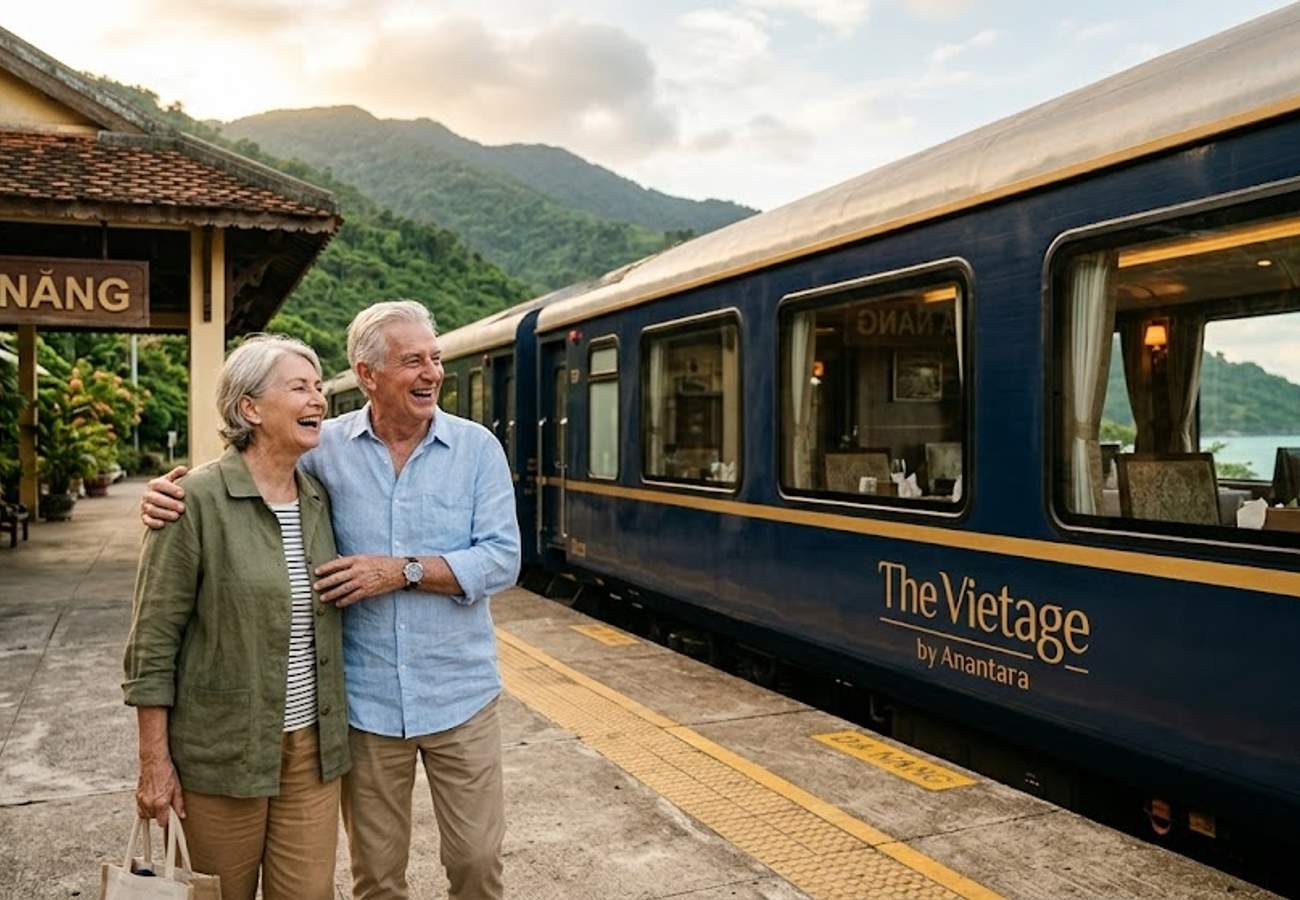
Image generated by AI
Vietnam is pivoting its national tourism strategy toward high-value rail transit, debuting two distinct experiences that transform the Central Vietnamese coastline into a premier travel corridor. By blending cultural immersion with ultra-luxury hospitality, the country is positioning rail as a sustainable alternative to domestic aviation.
The Evolution of Central Vietnam's Rail Corridor
The shift toward "slow travel" has prompted Vietnam to move beyond treating railways as mere transit links. The central coastline, characterized by dramatic descents from mountains to the sea, is now the focal point of an experiential rail renaissance. This strategy aims to distribute tourism revenue beyond major hubs, encouraging longer stays in regional coastal towns.
The Hue–Da Nang Heritage Train: A Cultural Transit Experience
Operated by Vietnam Railways, the Hue–Da Nang Heritage Train is designed specifically for the tourism sector rather than general commuters. The service centers on the transit through the Hai Van Pass and Lang Co Bay, widely considered the most visually rewarding rail sections in Southeast Asia.
To enhance the passenger experience, the Heritage Train incorporates:
- Cultural Integration: Live traditional Vietnamese music performances conducted onboard.
- Regional Gastronomy: Menus featuring authentic Central Vietnamese cuisine.
- Architectural Optimizations: Custom-designed observation windows specifically engineered to maximize views of fishing villages and coastal cliffs.
The Vietage by Anantara: Ultra-Luxury Rail Transit
While the Heritage Train focuses on culture, The Vietage by Anantara targets the luxury segment. This service operates as a boutique hotel on rails, restricting capacity to just 12 passengers to ensure a high staff-to-guest ratio and personalized service.
The Vietage connects the primary coastal hubs of Da Nang (serving Hoi An), Quy Nhon, and Nha Trang. The onboard offering includes multi-course gourmet dining, complimentary premium beverages, and integrated spa treatments, providing a sophisticated alternative to short-haul flights.
Transit Specifications and Route Parameters
| Service | Operator | Route | Key Highlights | Capacity/Focus |
|---|---|---|---|---|
| Heritage Train | Vietnam Railways | Hue $\rightarrow$ Da Nang | Hai Van Pass, Lang Co Bay, Traditional Music | Cultural Immersion |
| The Vietage | Anantara | Da Nang $\rightarrow$ Quy Nhon $\rightarrow$ Nha Trang | Gourmet Dining, Onboard Spa, Panoramic Views | 12 Passengers (Luxury) |
Traveler Logistics Guide: Navigating Central Vietnam by Rail
From a ground-level perspective, the best way to navigate this corridor is to treat the rail journey as a primary destination rather than a gap between cities.
Booking and Connections For those using the Hue–Da Nang Heritage Train, coordinate arrivals via Phu Bai International Airport (HUI) in Hue. For The Vietage, the most efficient entry point is Da Nang International Airport (DAD). Because The Vietage has a strict 12-passenger limit, bookings must be secured well in advance through Anantara's luxury concierge.
Optimal Layover Strategy To maximize the experience, travelers should avoid "back-to-back" transit. The ideal itinerary involves a 48-hour stay in the Imperial City of Hue, followed by the Heritage Train to Da Nang. From there, a transition to The Vietage allows for a slow descent toward Nha Trang, with a planned stop in Quy Nhon to visit Ky Co Beach and Eo Gio.
Digital and Customs Policies Travelers should ensure their digital entry permits are updated. While domestic rail does not require customs checks, ensure all travel insurance covers rail transit. For those utilizing the luxury services, digital boarding passes are typically managed via the operator's app or concierge email.
Infrastructure and Regional Impact
The introduction of these services fundamentally changes the connectivity of Central Vietnam. By linking the Imperial heritage of Hue with the resort infrastructure of Nha Trang, Vietnam is creating a seamless "Coastal Classic" itinerary.
This infrastructure shift has two primary impacts:
- Environmental Sustainability: Reducing the reliance on short-haul flights between Da Nang and Nha Trang lowers the overall carbon footprint of the regional tourism circuit.
- Economic Distribution: By slowing down the transit process, tourists are more likely to engage with local artisans and restaurants in smaller coastal towns, preventing the "overtourism" typically seen in Hoi An or Da Nang city centers.
Vietnam's rail strategy proves that the journey is no longer just a means to an end, but the destination itself.
Related Travel Guides
Disclaimer
This article is for informational and educational purposes only. It does not constitute legal, financial, or professional advice. While we strive to provide accurate and up-to-date information, travel policies, regulations, and conditions change rapidly. Always verify information with official sources before making travel decisions. Nomad Lawyer makes no representations about the accuracy, reliability, completeness, or suitability of the information provided. Readers should consult qualified professionals for advice specific to their circumstances. The views expressed in this article are those of the author and do not necessarily reflect the views of Nomad Lawyer.
Raushan Kumar
Founder & Lead Developer
Full-stack developer with 11+ years of experience and a passionate traveller. Raushan built Nomad Lawyer from the ground up with a vision to create the best travel and law experience on the web.
Learn more about our team →