
Vermont Outranks Hawaii and California as the Greenest US State for Sustainable Tourism in 2026
Vermont emerges as the premier US destination for eco-conscious travel in 2026, leveraging a network of 500+ EV stations and aggressive conservation goals to surpass Hawaii and California.

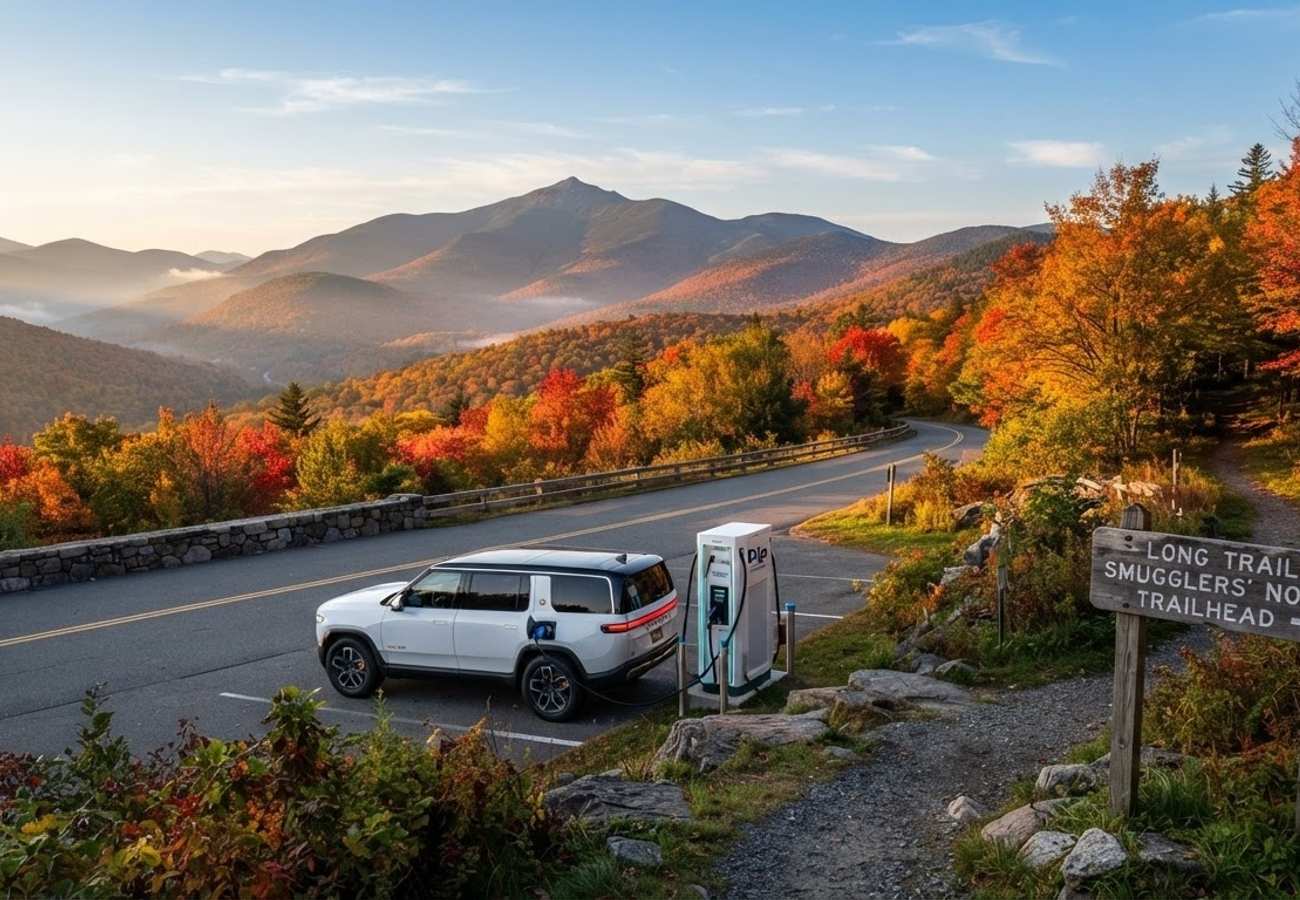
Image generated by AI
Vermont has officially surpassed Hawaii and California to become the greenest state in the U.S. for 2026, establishing itself as the primary hub for sustainable tourism through integrated EV infrastructure and aggressive land conservation.
The Shift Toward Sustainable Northeast Tourism
The United States is seeing a strategic alignment in travel priorities for 2026, with a marked increase in demand for environmentally conscious holidays. While California and Hawaii have traditionally dominated the sustainable travel narrative due to their vast natural landscapes, Vermont has emerged as the national leader in green rankings. This distinction is rooted in a combination of strict environmental policies, clean-air initiatives, and a state-wide infrastructure designed to facilitate low-impact living.
For the modern traveler, Vermont is no longer just a destination for autumn foliage or mountain escapes. It has evolved into a functional ecosystem for those seeking to minimize their carbon footprint. The state’s leadership is defined by its ability to integrate sustainability into its everyday infrastructure rather than treating it as a marketing veneer.
Environmental Performance Metrics
Vermont’s ranking ahead of other eco-leaders is based on an analysis of environmental quality, sustainable behavioral patterns, and climate-related contributions. A primary driver of this success is the state's agricultural sector. By prioritizing organic farming, Vermont has significantly reduced the use of petroleum-based fertilizers and harmful pesticides, resulting in healthier soil and waterways.
This systemic approach to ecology directly benefits the visitor experience. Tourism activities—such as cycling, hiking, and visiting rural communities—are naturally less resource-intensive, creating a symbiotic relationship between the state's environmental health and its tourism appeal.
EV Infrastructure and Road Trip Logistics
Transportation remains the largest contributor to travel emissions. To combat this, Vermont has implemented one of the strongest electric vehicle (EV) charging networks per capita in the United States.
With more than 500 public electric charging stations, the state has removed the "range anxiety" typically associated with rural American road trips. This allows travelers to construct multi-day itineraries that connect remote mountain communities and forest viewpoints without relying on internal combustion engines.
Sustainable Travel Feature Matrix
| Feature | Value for Visitors | Impact on Sustainability |
|---|---|---|
| Public EV Network | 500+ charging stations | Reduction in transport-related CO2 emissions |
| Organic Farming | Local farm-to-table dining | Lower chemical runoff and pesticide use |
| Recycling Initiatives | Low-waste travel options | Reduction in landfill contributions |
| Conservation Goals | Protected hiking/wildlife areas | Habitat preservation and biodiversity |
| Clean-Air Quality | Enhanced outdoor experiences | Healthier respiratory environment for hikers |
Conservation and High-Altitude Recreation
Vermont’s long-term appeal is anchored by an ambitious conservation mandate to protect a significant portion of its land by 2050. This ensures that the forests, wildlife habitats, and open spaces that attract tourists remain intact.
For those seeking physical adventure, the state offers a diverse mountainous terrain. There are more than 100 peaks exceeding 3,000 feet. Mount Mansfield, the highest summit at approximately 4,393 feet, provides panoramic views of the Green Mountains. For first-time hikers, the state is particularly accessible, offering gentler gradients and non-technical routes that allow for low-impact exploration of the wilderness.
Navigating the Autumn Peak Sustainably
The autumn foliage season remains the state's most significant tourism draw, particularly in hubs like Stowe and Woodstock. However, the influx of "leaf-peepers" can put pressure on local ecosystems.
From a ground-level perspective, the best way to navigate the peak season is to avoid the most congested corridors during mid-day. Travelers are encouraged to utilize electric rentals and combine multiple stops into a single efficient route to reduce idling and emissions. Utilizing chairlifts and gondolas to reach elevated landscapes also reduces the need for multiple vehicle trips to different viewpoints.
Traveler Logistics Guide: Navigating Vermont's Green Infrastructure
To maximize the sustainability of a 2026 Vermont itinerary, travelers should adopt the following logistics:
- EV Route Planning: Use dedicated EV mapping apps to locate the 500+ charging stations. Prioritize "Level 3" DC fast chargers for long-distance transit between the southern border and the northern peaks.
- Sustainable Transit: Once in hubs like Stowe, pivot from vehicles to walking tours or cycling. The state's infrastructure is increasingly geared toward pedestrian-first exploration.
- Seasonal Timing: To avoid the environmental strain of the October peak, consider "shoulder season" visits in late September. This reduces the load on local waste management and parking infrastructure.
- Local Sourcing: Prioritize accommodations and eateries with certified organic or "farm-to-table" credentials to support the agricultural policies that earned the state its green ranking.
Regional Connectivity Impact
Vermont's rise as an eco-leader changes the regional tourism dynamic of the Northeast. By proving that a small state can implement large-scale sustainable infrastructure, it provides a blueprint for other New England states to shift away from traditional high-impact tourism. This transition not only protects the local environment but also attracts a higher-spending, more conscious demographic of travelers who prioritize ethics over convenience.
Vermont proves that environmental stewardship is not a barrier to tourism, but its greatest asset.
Related Travel Guides
Disclaimer
This article is for informational and educational purposes only. It does not constitute legal, financial, or professional advice. While we strive to provide accurate and up-to-date information, travel policies, regulations, and conditions change rapidly. Always verify information with official sources before making travel decisions. Nomad Lawyer makes no representations about the accuracy, reliability, completeness, or suitability of the information provided. Readers should consult qualified professionals for advice specific to their circumstances. The views expressed in this article are those of the author and do not necessarily reflect the views of Nomad Lawyer.
Naina Thakur
Contributor & Travel Specialist
Travel enthusiast and legal writer covering visa regulations, responsible tourism, and cultural journeys across global destinations.
Learn more about our team →