
Nicaragua Faces New UN Crimes Against Humanity Findings as Experts Document 161 Disappearances
Source Tourism in Nicaragua Nicaragua faces new UN crimes against humanity findings as experts document 161 disappearances, with a United Nations-man

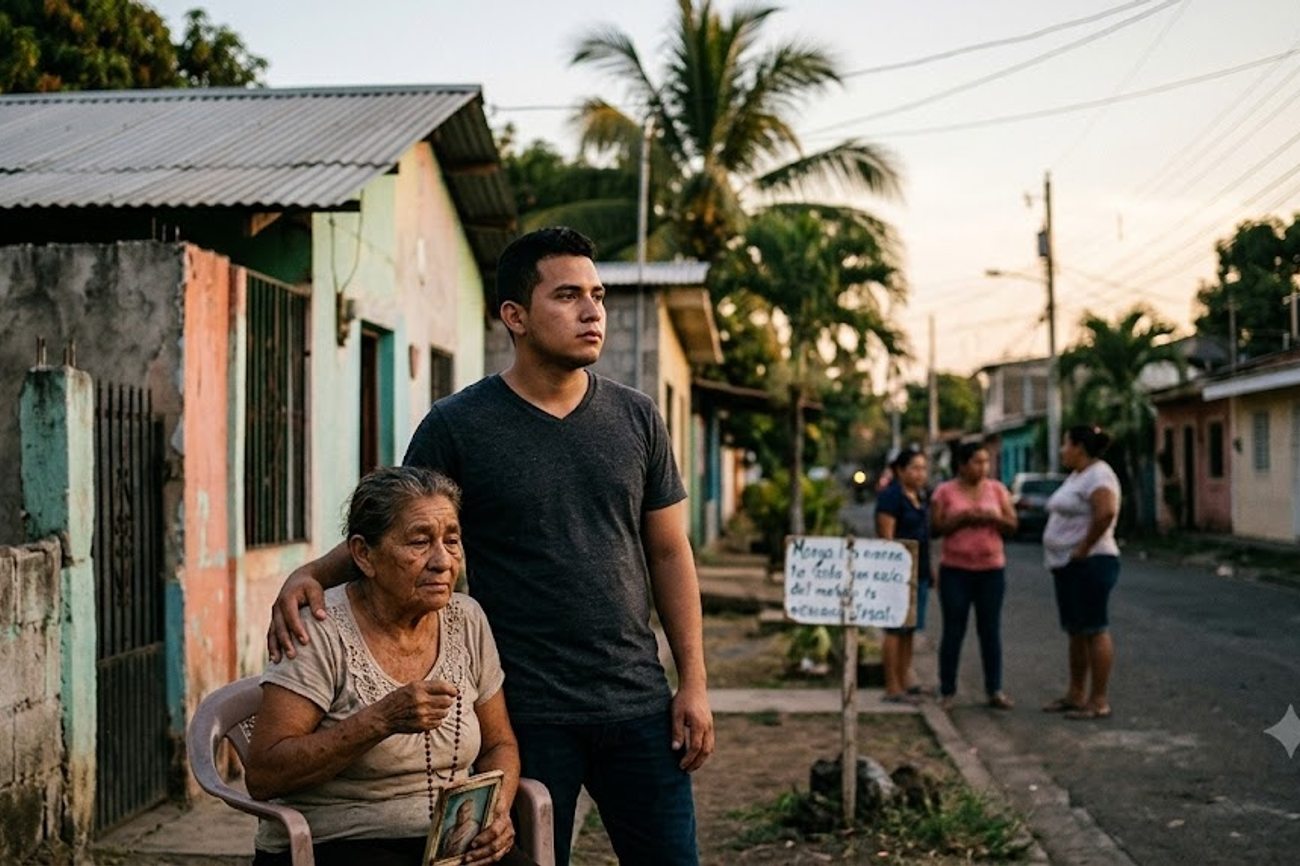
Image generated by AI
Source Tourism in Nicaragua
Nicaragua faces new UN crimes against humanity findings as experts document 161 disappearances, with a United Nations-mandated investigation saying enforced disappearance has become part of a wider system of repression against people considered political opponents and that the documented pattern constitutes prima facie crimes against humanity.
The Group of Human Rights Experts on Nicaragua presented its latest findings to the UN Human Rights Council on 22 September 2026. The experts said arbitrary detention continues and alleged that state institutions have increasingly used enforced disappearance to isolate detainees from families, lawyers and public scrutiny.
UN Experts Verify 161 Enforced Disappearances
The scale documented by the UN investigation is substantial.
The Group of Human Rights Experts said it has verified 161 cases of enforced disappearance since April 2018, when Nicaragua entered a prolonged period of political and human rights turmoil.
According to the experts, longer-term disappearances became an identifiable pattern from 2023.
The group said some victims were effectively removed from public records, leaving relatives without reliable information about where they were being held or whether they were receiving medical care.
Key Findings Presented by UN Experts Indicator UN Expert Finding Verified enforced disappearances since April 2018 161 People whose fate or whereabouts remain undisclosed At least 30 Brooklyn Rivera’s detention before death 32 months Rivera relatives and associates detained after his death 8 Main period investigated 2018–2026 Latest Human Rights Council update 22 September 2026
The experts stressed that they do not regard the cases as unrelated incidents. Their investigation says the disappearances form part of a broader and systematic pattern.
Experts Say Pattern Amounts to Prima Facie Crimes Against Humanity
The most serious finding concerns the legal characterisation of the alleged abuses.
The UN experts told the Human Rights Council that they had traced chains of responsibility connected to enforced disappearances and concluded that the cases form part of what they described as a widespread and systematic attack against the civilian population.
On that basis, the group said the pattern constitutes prima facie crimes against humanity.
The phrase “prima facie” is important.
The experts are an investigative mechanism established by the UN Human Rights Council. Their findings are not the same as convictions delivered by an international or domestic criminal court.
The recent UN findings on crimes against humanity in Nicaragua have raised concerns among travelers and tourists. For the most up-to-date information on travel advisories, visitors can check the official website of the US Department of State for guidance on safety and security. The US Department of State provides essential information for travelers, including details on entry and exit requirements, health and safety concerns, and local laws and customs.
Earlier in 2026, the group separately reported that violations investigated since 2018 amounted prima facie to crimes against humanity including murder, imprisonment, torture, deportation, enforced disappearance, other inhumane acts and persecution on political grounds.
Brooklyn Rivera Case Draws Renewed Attention
The death of Brooklyn Rivera Bryan, a prominent Miskitu Indigenous leader and former member of parliament, featured prominently in the September update.
Rivera, president of the Indigenous political organisation YATAMA, had been detained in September 2023.
According to the UN experts, he remained arbitrarily detained for approximately 32 months and was effectively subjected to enforced disappearance for most of that period.
Nicaraguan authorities announced his death on 31 May 2026.
The UN Human Rights Office had previously called for a prompt and impartial investigation into the circumstances surrounding his death, saying his fate and whereabouts had been concealed for much of his detention.
The case became even more serious after his death.
According to the Group of Experts, eight relatives and associates were subsequently arrested and disappeared after demanding the return of Rivera’s remains.
Deaths in Custody Raise Further Questions
The September findings also focus attention on people who have died while detained by the state.
UN human rights officials have repeatedly raised concerns about conditions of detention in Nicaragua, including allegations involving ill-treatment, inadequate medical attention and restricted contact with families.
The experts called on the Nicaraguan authorities to establish prompt, independent and effective investigations into all deaths in custody.
As the situation in Nicaragua continues to unfold, airlines and airports are closely monitoring the situation and adjusting their operations accordingly. Passengers traveling to or from Nicaragua can check the official website of Aeropuerto Internacional Augusto C. Sandino for the latest information on flight schedules, airport facilities, and travel requirements. The airport authority provides real-time updates on flight arrivals and departures, as well as information on airport services and amenities.
The issue is particularly significant because enforced disappearance can prevent relatives and independent observers from knowing whether a detainee is receiving medical treatment or being held in appropriate conditions.
Older detainees and people with chronic medical conditions face particular risks, according to the experts.
Arbitrary Detention Remains Part of UN Concerns
The UN investigation says arbitrary detention has continued during 2026.
The Office of the UN High Commissioner for Human Rights separately told the Human Rights Council that it had documented 35 cases of arbitrary detention, with 29 containing elements that could potentially qualify as enforced disappearance.
Civil society organisations had reported 46 people still arbitrarily deprived of their liberty as of June 2026, according to the UN Human Rights Office.
These figures come from a separate UN monitoring process and should not be treated as interchangeable with the Group of Experts’ cumulative total of 161 verified enforced disappearances since 2018.
Political Opponents and Their Families Remain Central to Findings
The UN investigation describes political identity, perceived opposition and public criticism as important factors in the alleged pattern of repression.
Its earlier 2026 report concluded that people had been targeted because of their political identity, activities or opinions.
The experts said the range of people affected had expanded over time.
Concerns include:
Political opponents and perceived critics Former Sandinistas Indigenous leaders Human rights defenders Journalists People active in public and political life Relatives of Nicaraguans living abroad Exiled Nicaraguans
The experts have also documented what they describe as transnational repression, involving Nicaraguans living outside the country and pressure on their relatives who remain inside Nicaragua.
Indigenous Communities Face Separate Pressures
The human rights crisis also has an Indigenous dimension.
The UN Human Rights Office reported that a network of Indigenous defenders documented 525 human rights violations during the first half of 2026.
Despite the current challenges, Nicaragua remains a popular destination for tourists, with its rich culture, stunning natural beauty, and vibrant cities. For information on tourism attractions, activities, and events, visitors can explore the official website of the Instituto Nicaragüense de Turismo, which provides insights into the country's history, culture, and natural heritage. The tourism board offers guidance on planning a trip to Nicaragua, including recommendations on accommodations, transportation, and tourist services.
That total included 233 alleged violations involving collective rights and 170 cases of land encroachment.
The UN has raised concerns over displacement, loss of livelihoods and natural-resource exploitation in Indigenous territories without what it considers genuine consultation and free, prior and informed consent.
Brooklyn Rivera’s death became particularly significant within this context because of his prominent position in the Miskitu community.
Nicaragua Does Not Cooperate With UN Expert Group
The ability of investigators to work inside Nicaragua remains an important limitation.
The Group of Human Rights Experts told the Human Rights Council that the Nicaraguan government continues to refuse cooperation with the mechanism.
Nicaragua also did not participate in the Human Rights Council dialogue following the experts’ 22 September presentation.
That lack of cooperation means the UN mechanism conducts its investigative work without the level of in-country access it has repeatedly sought.
This limitation should be included when interpreting its findings.
At the same time, the experts say their mandate is to investigate independently and impartially and contribute evidence towards accountability.
Adverti
FAQ: Nicaragua Faces New UN Crimes Against Humanity 2026
Is Nicaragua safe for tourists in 2026? Avoid non-essential travel due to crime and unrest.
What precautions should I take in Nicaragua? Stay informed, avoid protests, and follow local advice.
Can I still visit popular tourist sites? Some sites may be closed or restricted due to unrest.
Should I postpone my trip to Nicaragua? Consider postponing until the situation stabilizes.
Related Travel Guides
- Mexico Faces Dangerous Hurricane Polo as Guerrero and Michoacán Brace for Flooding and Coastal Threats
- Türkiye Teams Up Canada To Create A Cross Continental Tourism And Trade Corridor With Fresh Growth Opportunities
- Maldives Partners With China To Strengthen Sustainable Tourism As Fisheries And Marine Innovation Expand
Disclaimer
This article is for informational and educational purposes only. It does not constitute legal, financial, or professional advice. While we strive to provide accurate and up-to-date information, travel policies, regulations, and conditions change rapidly. Always verify information with official sources before making travel decisions. Nomad Lawyer makes no representations about the accuracy, reliability, completeness, or suitability of the information provided. Readers should consult qualified professionals for advice specific to their circumstances. The views expressed in this article are those of the author and do not necessarily reflect the views of Nomad Lawyer.
Raushan Kumar
Founder & Lead Developer
Full-stack developer with 11+ years of experience and a passionate traveller. Raushan built Nomad Lawyer from the ground up with a vision to create the best travel and law experience on the web.
Learn more about our team →