
Mexico, Aligns Guatemala and Peru Face Rising Measles Risk as World Cup Travel Raises Cross-Border Concerns
Mexico, Aligns Guatemala and Peru Face Rising Measles Risk as World Cup Travel Raises Cross-Border Concerns

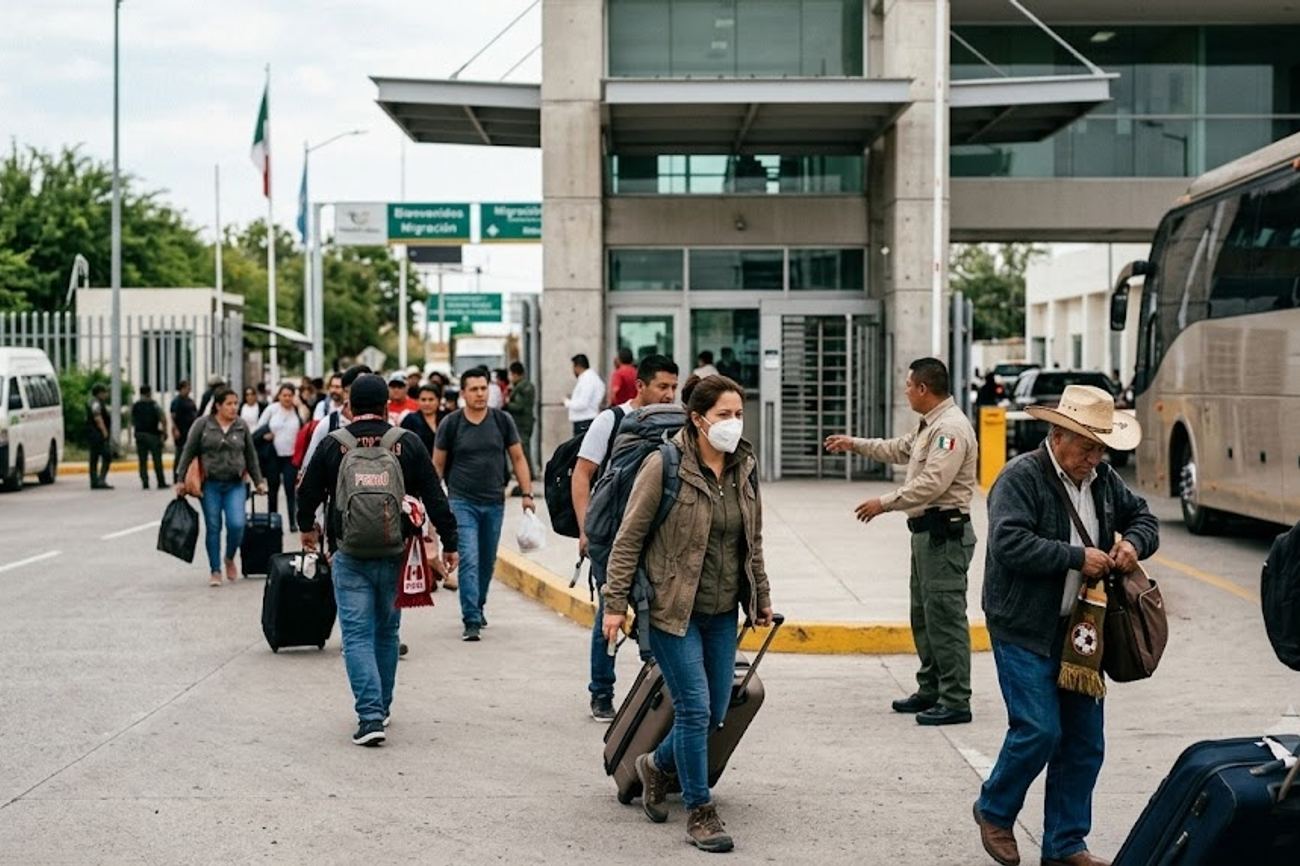
Image generated by AI
[Washington, September 2026] — Measles infections across the Americas have surged to their highest levels in more than two decades, with 52,676 confirmed cases reported across 17 countries and territories as of September 5, 2026.
The Pan American Health Organization (PAHO) reports that this figure represents a 3.8-fold increase compared to the same period in 2025. The spike is concentrated heavily in five nations, which together account for 99.5% of all confirmed cases in the region. The outbreak has proven fatal, with 61 deaths recorded, including 41 in Guatemala and 19 in Mexico.
The Catalyst for Regional Spread
The current health crisis is driven by a combination of systemic immunity gaps and an unprecedented spike in human mobility. While the virus was already circulating widely, the 2026 FIFA World Cup acted as a massive catalyst for transmission. The tournament triggered an exceptional volume of international movement between Canada, Mexico, and the United States, creating an expansive network of travel between cities and crowded public venues.
PAHO had previously warned that the convergence of active measles transmission and the World Cup's mass gatherings would create ideal conditions for the virus to migrate. The organization emphasizes that while the tournament did not cause the outbreak, the resulting movement of millions of people through airports, hotels, and fan zones accelerated the spread across borders.
The underlying cause, however, is a failure in vaccination coverage. Health officials state that a minimum 95% coverage rate for two doses of the measles-containing vaccine is required to stop the virus from circulating. Current immunity gaps have left populations vulnerable, and PAHO continues to classify the regional public-health risk as "very high."
Markets and Populations Impacted
The outbreak is not evenly distributed but is heavily concentrated in major tourism hubs and high-traffic transit corridors. The following data outlines the confirmed cases by country:
| Country | Confirmed Cases | Deaths |
|---|---|---|
| Guatemala | 33,334 | 41 |
| Mexico | 12,848 | 19 |
| United States | 3,134 | Not Specified |
| Peru | 1,997 | Not Specified |
| Canada | 1,119 | Not Specified |
These five destinations represent the vast majority of the regional burden. Because these nations maintain extensive air connections and experience high visitor flows, the risk of "exporting" the virus to other global destinations remains a primary concern for aviation and health authorities.
What This Means for Travelers
For the average passenger, this is not a directive to cancel trips, but a mandate for medical preparation. The highly contagious nature of measles means that exposure can occur in any high-density environment. According to the Centers for Disease Control and Prevention (CDC), approximately 90% of unvaccinated individuals will contract the virus after close contact with an infected person.
Immediate Passenger Impacts:
- Pre-Trip Medical Requirements: Travelers aged six months and older who lack evidence of immunity are urged to receive a measles-rubella vaccine. This should ideally occur at least two weeks before departure to allow the vaccine to become effective.
- Increased Exposure Risks: Risk is highest in "closed-loop" travel environments, including aircraft cabins, airport terminals, hotel lobbies, and public transit systems.
- Post-Trip Monitoring: The window of concern extends beyond the flight home. Travelers must monitor their health for three weeks after returning from the Americas.
- Symptom Vigilance: Passengers should be alert for a specific progression of symptoms: high fever, cough, runny nose, red or watery eyes, and the eventual appearance of a rash.
For those booking travel to Mexico, Guatemala, or Peru, the priority is confirming MMR (Measles, Mumps, and Rubella) vaccination status. Two doses of the vaccine provide roughly 97% protection, significantly mitigating the risk of infection during transit.
Path to Containment and Surveillance
Moving forward, the focus for regional governments is the aggressive closing of immunity gaps and the implementation of stricter surveillance at mass gathering points. PAHO is urging authorities to integrate vaccination services directly into travel hubs and provide real-time health information to arriving and departing passengers.
The long-term stability of tourism in the region depends on returning to the 95% vaccination threshold. Until that target is met, the risk of localized outbreaks triggering wider travel alerts remains high. Health professionals are instructing anyone who develops symptoms after a trip to isolate immediately and notify healthcare providers of their specific travel history to prevent secondary community transmission.
The current situation serves as a stark reminder that in a hyper-connected aviation environment, a public health failure in one region quickly becomes a global travel concern. The ease of movement provided by modern aviation means that a virus can move from a stadium in Mexico to a residential neighborhood in another hemisphere in less than 24 hours.
FAQ: Americas Measles Outbreak 2026
Do I need to cancel my trip to Mexico or Guatemala? No. Health authorities are not issuing blanket travel warnings. However, you should ensure you are fully vaccinated against measles before departure to avoid infection.
How effective is the MMR vaccine against this outbreak? The CDC states that two doses of the MMR vaccine provide approximately 97% protection against the virus.
What should I do if I feel sick after returning home? Monitor your health for three weeks. If you develop a fever and rash, contact a doctor immediately and disclose your recent travel destinations to prevent further spread.
Who is eligible for the measles vaccine before traveling? PAHO recommends the vaccine for all travelers aged six months and older who cannot provide documented proof of vaccination or prior immunity.
Vaccination remains the only reliable barrier between a seamless journey and a medical emergency.
#Guatemala2026 #MexicoTravelHealth #PAHO #MMRVaccination #AmericasMeaslesOutbreak #CDCAlert
Related Travel Guides
Disclaimer
This article is for informational and educational purposes only. It does not constitute legal, financial, or professional advice. While we strive to provide accurate and up-to-date information, travel policies, regulations, and conditions change rapidly. Always verify information with official sources before making travel decisions. Nomad Lawyer makes no representations about the accuracy, reliability, completeness, or suitability of the information provided. Readers should consult qualified professionals for advice specific to their circumstances. The views expressed in this article are those of the author and do not necessarily reflect the views of Nomad Lawyer.
Raushan Kumar
Founder & Lead Developer
Full-stack developer with 11+ years of experience and a passionate traveller. Raushan built Nomad Lawyer from the ground up with a vision to create the best travel and law experience on the web.
Learn more about our team →