
Malaysia’s Klang Explores Trishaw Revival to Showcase Heritage and Strengthen Tourism
Malaysia’s Klang Explores Trishaw Revival to Showcase Heritage and Strengthen Tourism

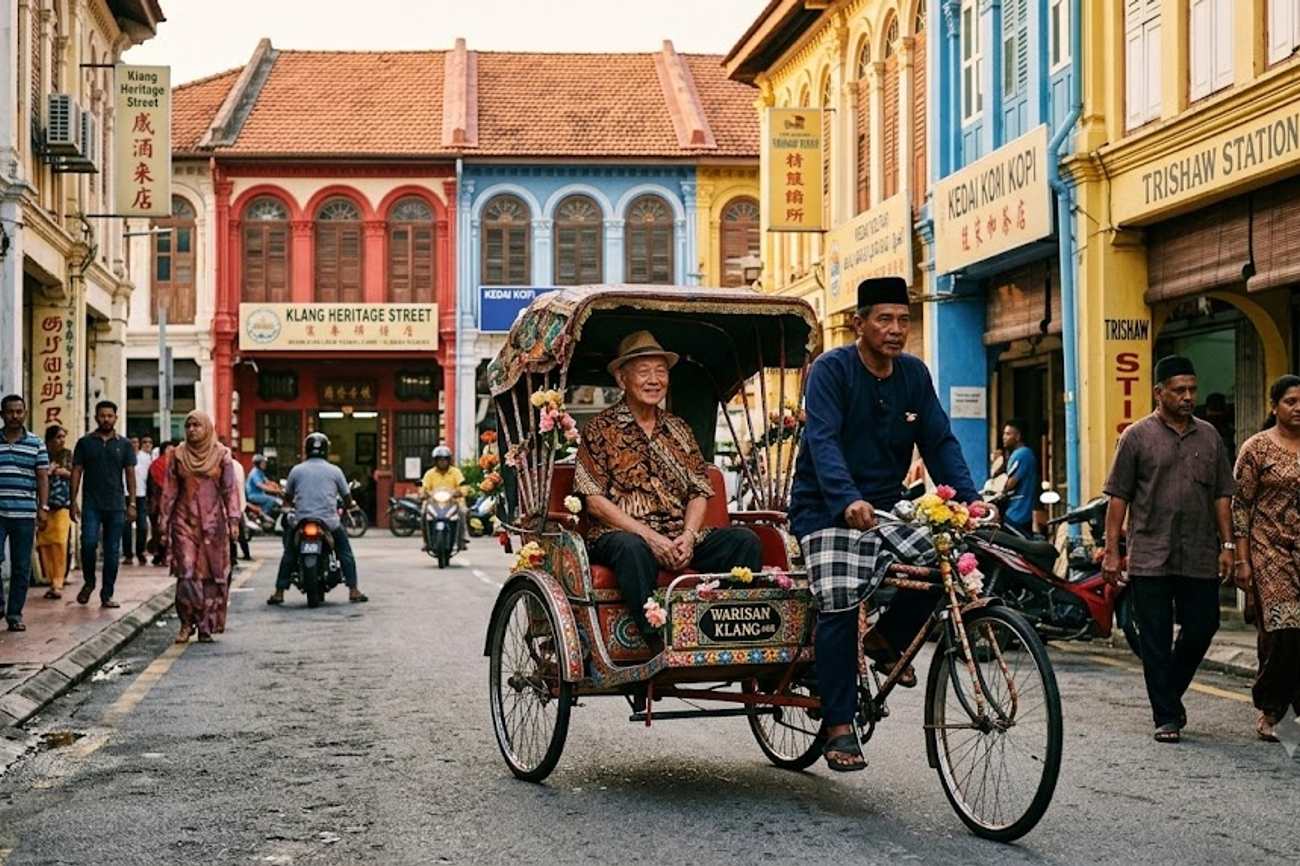
Image generated by AI
[Klang, October 2023] — Tourism Selangor and the Klang Royal City Council (MBDK) are planning the revival of trishaws to transform the city's transport infrastructure into a primary heritage tourism attraction. The initiative seeks to leverage the city's status as the royal capital of Selangor by integrating traditional transport with curated cultural tours.
The project is currently in the developmental phase, with Tourism Selangor collaborating with the Ministry of Tourism, Arts and Culture (MOTAC) and the community-based organization Volunheritage. The goal is to establish a dedicated tourism route that connects historic landmarks, cultural sites, and local commercial hubs, effectively turning the act of transit into a paid tourism product.
The Catalyst for Trishaw Revival
The push to bring back trishaws is a strategic response to a surge in visitor numbers and a growing public interest in volunteer-driven tourism. According to Tourism Selangor CEO Chua Yee Ling, the city is not starting from zero; it possesses a robust existing market that provides a viable foundation for this specialized transport service.
Last year, Klang recorded a total of 852,994 tourists. This figure is split between 595,327 domestic visitors (69.8%) and 257,667 international tourists (30.2%). By introducing a leisurely, immersive mode of transport, officials aim to increase the "dwell time" of these visitors, encouraging them to explore deeper into the city's heritage zones rather than relying on rapid, conventional transit.
Market and Infrastructure Impact
The revival is designed to benefit a wide spectrum of stakeholders, from government bodies to micro-entrepreneurs. The following groups and sectors are identified as primary beneficiaries:
- Local Traders and F&B Outlets: By directing trishaw routes through specific commercial corridors, the city expects a spike in spontaneous spending at small businesses and eateries.
- Tour Operators: The creation of a formal trishaw network allows for the development of structured heritage packages and storytelling-based tours.
- Domestic and International Tourists: Visitors gain a low-speed, accessible method of navigating the "Crown City," making the city's royal identity more tangible.
- Local Communities: The initiative is expected to generate new employment opportunities for trishaw operators and guides.
MBDK councillor Aziz Khan Muhammed Ali emphasizes that the project is not merely about nostalgia but is a calculated economic move to create a more immersive discovery process for the city's historic landmarks.
Practical Traveler Advisory and Strategic Insights
For the average visitor booking a trip to Selangor, this initiative signals a shift in how Klang is navigated. Once implemented, the "trishaw experience" will move from a rare sight to a structured service.
The Klang city council has announced plans to revive the traditional trishaw industry as a unique tourist attraction, aiming to showcase the city's rich heritage and cultural diversity. According to the Malaysia Tourism Board, this initiative is expected to boost tourism in the area, creating new opportunities for local businesses and communities. By promoting the trishaw experience, Klang hopes to attract a growing number of visitors interested in exploring the city's historic landmarks and traditional way of life.
Practical Implications:
- New Transit Options: Travelers will have an alternative to taxis and ride-sharing apps for short-distance hops between heritage sites.
- Curated Storytelling: Unlike standard transport, these rides are intended to include heritage interpretation, meaning the driver serves as a guide.
- Enhanced Accessibility: The leisurely pace of a trishaw makes the city's cultural sites more accessible to elderly travelers and families with children who may find walking long distances between landmarks prohibitive.
- Integrated Itineraries: Visitors can expect a more coherent "tourism loop" where transport and sightseeing are merged into a single activity.
The Roadmap to Implementation
The project is currently moving from a conceptual proposal to a planning phase. The primary focus is now on "route optimization." Tourism Selangor is tasked with providing technical input to MBDK to ensure the chosen paths maximize the visibility of heritage attractions while minimizing interference with modern traffic flow.
The trishaw revival project will involve the restoration of vintage trishaws, as well as the training of local trishaw riders to provide guided tours of Klang's historic sites. Passengers can expect to travel through the city's charming streets, taking in the sights and sounds of traditional Malaysian culture, with logistics and itinerary planning supported by the Malaysia Airports Holdings Berhad. As the project gains momentum, tourism officials anticipate a significant increase in visitor numbers, further solidifying Klang's position as a must-visit destination in Southeast Asia.
The historical precedent for this move is strong. MBDK archive records indicate that trishaws were staples of Klang life from the 1950s and 1960s through 2003. During the 1980s, the city even hosted popular trishaw races. While these vehicles originally served practical roles—transporting students to school and women to markets—the new model pivots toward recreation and destination marketing.
The next steps involve finalizing the partnership with Volunheritage and MOTAC to ensure the service meets national tourism standards. Once the routes are mapped and the operator framework is established, the city will integrate the service into its broader "Royal City" branding strategy to differentiate Klang from other urban centers in Malaysia.
FAQ: Klang Heritage Tourism 2023
Will trishaws replace existing transport in Klang? No. Trishaws are being introduced as a supplementary heritage tourism product. They are intended for sightseeing and short-distance cultural tours, while conventional transport will continue to handle general commuting and long-distance travel.
Who is managing the trishaw routes? The routes are being developed through a collaboration between the Klang Royal City Council (MBDK) and Tourism Selangor, with strategic input from MOTAC and Volunheritage to ensure they connect the most significant cultural landmarks.
Are these tours available for international tourists? Yes. With international visitors making up 30.2% of Klang's tourism market, the trishaw initiative is specifically designed to appeal to global travelers seeking an authentic, nostalgic, and immersive experience of Malaysia's royal heritage.
How does this benefit the local economy? By slowing down the pace of tourism, the city encourages visitors to spend more time and money at local shops, cafes, and markets located along the designated trishaw heritage loops.
A strategic pivot from practical transit to cultural storytelling.
Related Travel Guides
Disclaimer
This article is for informational and educational purposes only. It does not constitute legal, financial, or professional advice. While we strive to provide accurate and up-to-date information, travel policies, regulations, and conditions change rapidly. Always verify information with official sources before making travel decisions. Nomad Lawyer makes no representations about the accuracy, reliability, completeness, or suitability of the information provided. Readers should consult qualified professionals for advice specific to their circumstances. The views expressed in this article are those of the author and do not necessarily reflect the views of Nomad Lawyer.
Naina Thakur
Contributor & Travel Specialist
Travel enthusiast and legal writer covering visa regulations, responsible tourism, and cultural journeys across global destinations.
Learn more about our team →