
Lufthansa Airlines Links Germany with Malaysia and More Destinations in Major Winter 2026 Expansion
Lufthansa connects Germany and Malaysia on 25 October 2026 with five weekly Boeing 787-9 flights, opening direct access to Kuala Lumpur's vibrant food enclaves and historic quarters.

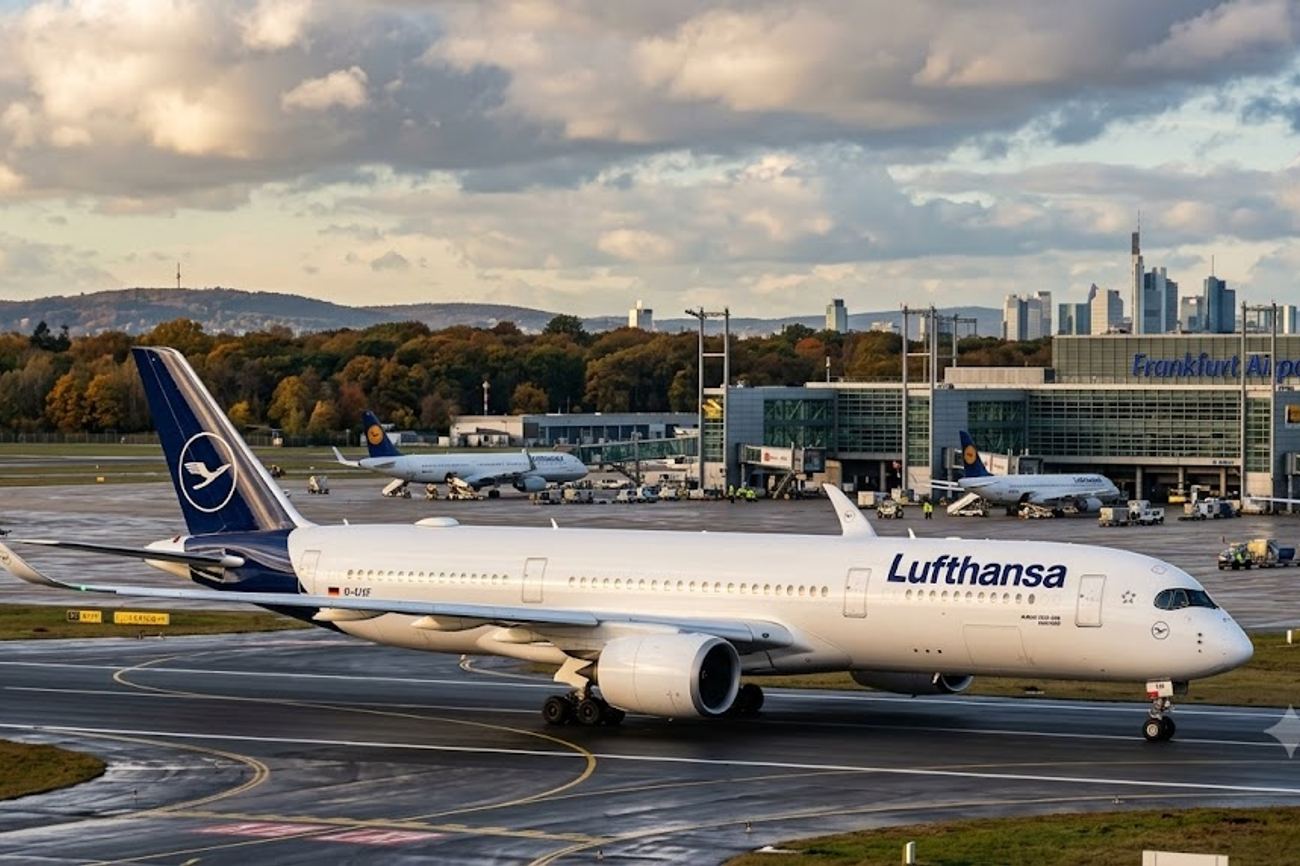
Image generated by AI
While over 42.2 million travelers explored Malaysia in 2025, fewer than one in twenty international arrivals ever discover that Kuala Lumpur's founding core—the muddy river junction where tin prospectors pitched wooden huts in 1857—remains an active sanctuary of stilt houses, banana groves, and Tamil spice merchants thriving right beneath colossal glass skyscrapers. Starting 25 October 2026, German carrier Lufthansa re-establishes direct air connectivity between Western Europe and Peninsular Malaysia with five weekly nonstop flights linking Frankfurt Airport (FRA) and Kuala Lumpur International Airport (KUL). Operating on advanced Boeing 787-9 Dreamliners fitted with 287 seats and the airline's latest Allegris cabin, the service marks a major intercontinental return. For cultural travelers and curious explorers, this bridge across continents transforms an arduous multi-leg journey into an effortless gateway to Southeast Asia's most compelling cultural crossroads.
Frankfurt to Kuala Lumpur: Lufthansa Reclaims Malaysia's Sky Corridor
The introduction of direct Frankfurt–Kuala Lumpur flights highlights a broader recalibration of international routes ahead of the winter 2026/27 schedule. Departing Frankfurt on Monday, Wednesday, Friday, Saturday, and Sunday under flight number LH704, the widebody Boeing 787-9 operates eastbound across Eurasia, touching down at Kuala Lumpur's tropical international gateway. The return rotation, LH705, departs Kuala Lumpur on Monday, Tuesday, Thursday, Saturday, and Sunday. With 287 seats arranged across three travel classes, the aircraft introduces the Lufthansa Allegris interior, featuring customized ergonomic seating modules, upgraded acoustic insulation, and high-definition personal display systems.
Kuala Lumpur becomes Lufthansa's fourth dedicated destination across Southeast Asia, joining regional stalwarts Bangkok, Singapore, and Phuket. The German carrier's strategic return is propelled by substantial corporate and diplomatic ties; Germany stands as Malaysia's second-largest foreign investor and its primary trading partner within the European Union, with over 700 German companies running active industrial and technology hubs across the nation. Beyond bilateral commerce, the route opens onward air connections to more than 40 regional destinations across Borneo, Sumatra, and the wider Indochinese peninsula.
This Malaysian flagship service anchors an ambitious winter expansion spanning Northern Europe and the Middle East. From 4 December 2026, Lufthansa introduces a new seasonal route connecting Munich and Rovaniemi in Finnish Lapland twice weekly on Fridays and Sundays using Airbus A320neo aircraft. That connection forms part of a wider regional strategy offering up to 69 weekly flights to nine Arctic Circle airports across the Lufthansa Group, unlocking northern lights expeditions and wilderness lodges. Concurrently, Middle Eastern frequencies see decisive restorations: Frankfurt to Dubai returns with up to five weekly services from 26 October 2026, while Munich to Dubai restarts with five weekly flights from 25 October 2026, combining with Austrian Airlines, SWISS, and Eurowings to deliver up to 36 weekly group flights into the Emirati hub. Further west, Frankfurt to Dammam resumes daily flights on 25 October 2026, and the Frankfurt to Riyadh service, which resumed on 10 September with three weekly rotations, steps up to daily operations for winter.
What Makes Kuala Lumpur Different
Kuala Lumpur is rarely what first-time visitors anticipate. It is not an austere financial monolith, nor is it an overwhelmingly chaotic urban expanse. Instead, the Malaysian federal capital is an intimate collection of historic villages that expanded until their borders fused. Within a single city block, century-old Malay timber homes with tin roofs stand cheek-by-jowl with ornate Victorian colonial administrative offices, Taoist incense shrines, and neon-drenched glass spires.
At the geographic heart of the city lies Kampung Baru, an authentic Malay agricultural settlement established in 1899. Here, roosters crow at dawn amidst papaya trees, while wooden stilt homes frame views of the 452-meter Petronas Twin Towers. A short walk southward leads to Brickfields, the city's Little India, where the morning air carries scents of crushed cumin, jasmine garlands, and frying chickpea flour. Cross the Klang River, and you enter Petaling Street, where pre-war Chinese shophouses feature faded pastel plasterwork and wooden louvers that have sheltered three generations of noodle artisans.
What sets this city apart from other regional capitals is its culinary syncretism. Malaysian food is not merely an assortment of regional recipes; it represents a living dialogue between indigenous herbs, southern Chinese wok techniques, and southern Indian curry traditions. From rich coconut-infused nasi lemak wrapped in scorched banana leaves to peppery bak kut teh simmered with herbal angelica root, dining here is an all-day community ritual centered on open-air plastic stools rather than behind glass banquet doors. Travelers interested in expanding their historical horizons can also use the capital as a launching pad for maritime trading settlements recognized by the UNESCO World Heritage Centre, including Melaka, located just two hours south by express road.
Visitor Insider Tips
Navigating Kuala Lumpur like a seasoned resident requires abandoning rigid tourist itineraries and embracing the local rhythm of life.
- Avoid the Midday Heat and Head Out at Dawn: The city wakes up early before tropical humidity peaks. Arrive at the alleyways around Petaling Street and Madras Lane between 6:30 AM and 8:30 AM. Watch noodle masters roll silken chee cheong fun (steamed rice noodle sheets) bathed in sweet fermented bean sauce and pickled chilies, well before midday tour groups gather.
- Decode the Traditional Kopitiam Coffee Lexicon: Step inside neighborhood coffee houses and order like a regular. Asking for plain coffee will confuse your server. Instead, request Kopi for a dark roast brew sweetened with thick condensed milk, Kopi-C for evaporated milk with sugar, Kopi-O for black coffee with sugar, or Kopi Kosong if you want it completely black and unsweetened. Pair your drink with two soft-boiled eggs seasoned with white pepper and dark soy sauce, alongside thick slices of charcoal-toasted bread smeared with cold salted butter and fragrant pandan kaya jam.
- Bypass Afternoon Gridlock via Rail: Tropical downpours strike frequently between 3:30 PM and 5:30 PM, slowing highway vehicle speeds. Skip taxi queues by boarding the automated Kelana Jaya LRT line. When arriving from long-haul flights at KLIA Terminal 1 or 2, take the KLIA Ekspres high-speed rail line, which covers the 57-kilometer route into KL Sentral in precisely 28 minutes, bypassing expressway congestion entirely.
- Choose Character Quarters over Mall Districts: Rather than booking generic high-rise suites inside commercial shopping belts around Bukit Bintang, establish your base in Chow Kit or Bangsar. Chow Kit offers restored heritage walk-ups, independent galleries, and morning produce markets. Bangsar presents quiet residential streets, independent bookshops, artisan bakeries, and authentic southern Indian banana leaf dining spots.
- Etiquette in Sacred Spaces: When visiting holy places such as the National Mosque, the Moorish-style Masjid Jamek, or the ornate Sri Mahamariamman Hindu Temple, remove shoes before crossing the threshold. Dress modestly with clothing covering knees and shoulders; complimentary clean robes and wraps are offered at entrance counters. Never step across prayer mats or walk directly in front of congregants during prayer hours.
Cultural and Environmental Context
As Malaysia welcomes growing international tourist arrivals—climbing past 42.2 million recorded visits in 2025—the capital confronts the delicate task of balancing commercial modernization with cultural conservation. Historic enclaves like Kampung Baru remain subject to ongoing discussions surrounding customary land titles under the historic Malay Agricultural Settlement, where multi-generational families resist pressure from property developers seeking to erect luxury residential complexes. Tourism initiatives promoted by Tourism Malaysia increasingly emphasize heritage preservation, urging visitors to patronize family-run eateries, independent craft cooperatives at Central Market (Pasar Seni), and traditional textile weavers.
Environmental factors also shape the city's urban planning. Situated in a natural river basin, Kuala Lumpur historically endured severe seasonal flooding when torrential monsoon rains overwhelmed the Klang and Gombak rivers. Today, the pioneering SMART Tunnel (Stormwater Management and Road Tunnel) diverts excess floodwaters away from the central business district while serving as an underground vehicle bypass during dry conditions. In addition, the city protects Bukit Nanas (KL Forest Eco Park), an eight-hectare virgin tropical rainforest reserve situated directly in the urban center, offering suspension canopy walkways beneath century-old dipterocarp trees.
Sustainable travel here means respecting these fragile natural balances. By choosing rail transit over individual vehicles, supporting walking tours led by local community historians, and embracing neighborhood food stalls that minimize packaging waste, travelers play a direct role in sustaining the social fabric that gives Kuala Lumpur its enduring warmth.
FAQ: Visiting Kuala Lumpur 2026
What is the ideal season to visit Kuala Lumpur?
Kuala Lumpur enjoys warm tropical weather year-round, averaging 32 degrees Celsius daily. May through August offers slightly lower rainfall and clearer skies, while November through January brings frequent late-afternoon showers that cool the city and keep tropical parks lush.
How do travelers get from Kuala Lumpur International Airport to the city center?
The fastest transit option is the non-stop KLIA Ekspres train, which travels from Terminal 1 and Terminal 2 directly to KL Sentral station in 28 minutes. Metered airport taxis and ride-hailing services take 45 to 75 minutes depending on traffic.
Do European and international visitors need a visa for Malaysia?
Citizens of Germany, the European Union, the United Kingdom, and North America receive 90-day visa-free entry upon arrival. All incoming foreign visitors must complete the digital Malaysia Digital Arrival Card (MDAC) online within three days prior to arrival.
Is Kuala Lumpur safe and easy for solo travelers to navigate?
Kuala Lumpur is considered one of Southeast Asia's safest and most accessible destinations for solo travelers. English is spoken across retail, transport, and hospitality sectors, signage is clear, and comprehensive rail networks make independent exploration simple.
[High above the jungle canopy or seated on a plastic stool beside a steaming wok, Kuala Lumpur rewards those who trade hurried itineraries for the quiet magic of local life.]
Related Travel Guides
Disclaimer
This article is for informational and educational purposes only. It does not constitute legal, financial, or professional advice. While we strive to provide accurate and up-to-date information, travel policies, regulations, and conditions change rapidly. Always verify information with official sources before making travel decisions. Nomad Lawyer makes no representations about the accuracy, reliability, completeness, or suitability of the information provided. Readers should consult qualified professionals for advice specific to their circumstances. The views expressed in this article are those of the author and do not necessarily reflect the views of Nomad Lawyer.
Raushan Kumar
Founder & Lead Developer
Full-stack developer with 11+ years of experience and a passionate traveller. Raushan built Nomad Lawyer from the ground up with a vision to create the best travel and law experience on the web.
Learn more about our team →