
Lockheed Blackbird Titanium Skin: How SR-71 Protected Pilots Above 600°F
The SR-71 Blackbird's titanium construction and advanced thermal engineering enabled pilots to survive extreme air friction temperatures exceeding 600°F during supersonic flight in 2026.

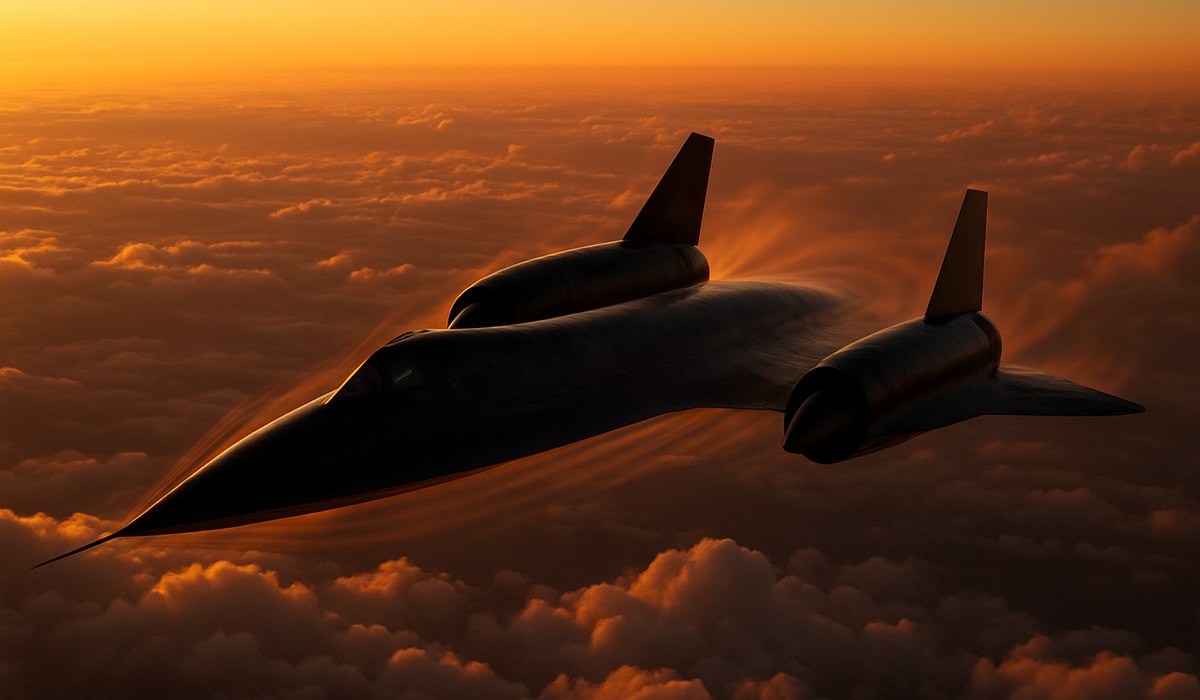
Image generated by AI
How Lockheed Blackbird Titanium Construction Saved Supersonic Pilots
The SR-71 Blackbird, developed by Lockheed's legendary Skunk Works division, represents one of aviation's most extreme engineering challenges. Pilots operating this reconnaissance aircraft faced surface temperatures exceeding 600°F due to air friction generated at Mach 3 speeds. The lockheed blackbird titanium skin became the critical foundation for human survival at these unprecedented thermal extremes. Without specialized materials and cooling systems, the cockpit would have become lethal within minutes of sustained flight.
The Extreme Heat Challenge of Supersonic Flight
Flying at three times the speed of sound creates aerodynamic heating that defies conventional aircraft design. At Mach 3, ram air compression alone generates temperatures comparable to a welding torch. The SR-71's nose cone reached approximately 427°F, while fuselage sections contacted air at sustained temperatures above 600°F. Pilots wearing specialized pressure suits still faced life-threatening conditions. The thermal stress extended beyond the aircraft frame to avionics, fuel systems, and hydraulic networks. Every component required materials and engineering solutions that didn't exist when the program began in 1960.
Titanium: The Foundation of Thermal Protection
Lockheed selected titanium alloys as the primary construction material because conventional aluminum melts at 1,220°F. Titanium maintains structural integrity up to 1,600°F while remaining relatively lightweight. The airframe consisted of approximately 93% titanium by surface area. This metal proved difficult to machine, requiring specialized tools and techniques. Production facilities had to develop new welding processes since traditional methods caused brittleness. The lockheed blackbird titanium skin wasn't simply stronger—it possessed unique thermal properties that made sustained supersonic flight physically possible. Each panel required hand-fitting and precision assembly, adding years to development timelines.
Lockheed Skunk Works' Cooling Innovation
The Skunk Works engineers designed an ingenious thermal management system using the aircraft's fuel as a heat sink. Fuel circulated through passages in the wings and fuselage, absorbing extreme temperatures before flowing to engines where it powered fuel injection systems. This approach eliminated the need for bulky external cooling systems. Pilots received cooled air through a specialized liquid cooling system integrated into their pressure suits. The cockpit itself benefited from a heat exchanger system that prevented internal temperatures from exceeding 140°F. This integration of fuel systems, suit cooling, and cabin conditioning represented unprecedented aerospace engineering. The system required constant monitoring—any failure meant immediate thermal incapacitation of the crew.
Legacy and Modern Applications
The SR-71 program concluded in 1998, but its thermal engineering principles revolutionized aerospace design. Modern hypersonic research vehicles, military jets, and advanced spacecraft inherit innovations born from protecting blackbird pilots. NASA's X-43 hypersonic testbed employed similar materials and cooling philosophies. Commercial aircraft manufacturers study SR-71 documentation for advanced avionics thermal management. The lockheed blackbird titanium construction methods established standards still referenced in aerospace engineering textbooks. Today's high-speed military platforms and future supersonic transports will likely employ evolution of these systems. Understanding how the Blackbird protected pilots continues informing next-generation aircraft development.
Key Thermal Engineering Data
| Component | Material | Maximum Temperature | Function |
|---|---|---|---|
| Nose Cone | Titanium Alloy | 427°F | Aerodynamic leading edge |
| Fuselage Skin | Titanium Alloy | 600°F+ | Primary structural shell |
| Cockpit Area | Titanium Alloy | 350°F (cooled) | Pilot protection zone |
| Fuel Circulation System | Titanium Piping | 450°F | Heat sink medium |
| Pilot Pressure Suit | Specialized Fabric | 95°F (cooled) | Direct pilot protection |
| Landing Gear Doors | Titanium Honeycomb | 500°F+ | Thermal insulation structure |
What This Means for Modern Travelers
While commercial aviation operates at subsonic speeds where thermal stress remains manageable, the SR-71's engineering legacy influences passenger safety systems today. Understanding extreme aerospace challenges helps travelers appreciate modern cockpit design and materials science.
-
Aircraft Materials Matter: Modern jets use aluminum composites because speeds remain below 500 mph. The materials science pioneered for the Blackbird informs structural decisions affecting your safety.
-
Cooling Systems Are Critical: Commercial aircraft cooling systems prevent avionics overheating during extended flights. The Blackbird's innovations contributed to current thermal management protocols.
-
Pilot Training and Equipment: Modern pilots receive training informed by extreme-flight research. The specialized suits and protocols developed for the SR-71 influenced current crew equipment standards.
-
Future Hypersonic Travel: Emerging commercial hypersonic concepts will require lockheed blackbird titanium knowledge. Understanding these thermal principles helps appreciate why next-generation aircraft remain expensive and technically challenging.
Frequently Asked Questions
Q: Why couldn't the SR-71 use conventional aluminum like other aircraft? Aluminum melts at 1,220°F, well below the Blackbird's sustained surface temperatures of 600°F. Titanium's higher melting point of 1,600°F plus superior strength-to-weight ratio made it the only viable option for Mach 3 operations.
Q: How hot did the pilot's cockpit actually get? Despite external temperatures exceeding 600°F, the cooling system maintained cockpit temperatures around 140°F. Pilots wore liquid-cooled pressure suits that further reduced personal heat stress. Without these systems, incapacitation would occur within minutes.
Q: Could modern materials replace titanium in hypersonic aircraft? Ceramic matrix composites and carbon fiber composites show promise but lack proven long-term performance data. Titanium remains the trusted choice for sustained hypersonic operations. Research continues into advanced ceramics that might eventually reduce weight.
Q: Did the fuel cooling system ever fail? The SR-71's fuel cooling system proved remarkably reliable across 3,551 operational flights. Pilots monitored thermal parameters continuously. System redundancy and careful fuel management prevented critical failures during reconnaissance missions over hostile territory.
Related Travel Guides
- Rolls-Royce Engines Differ From GE in Narrowbody Push 2026
- Vietnamese Startup Resurrects American Airlines' A330s After Six-Year Desert Storage: What It Means for Asian Aviation
- Royal Caribbean Ships 2026: Complete Fleet Guide From Newest to Oldest
Disclaimer
This article examines historical aerospace engineering through publicly available sources including NASA archives, declassified government reports, and aerospace engineering publications. Information about the SR-71 Blackbird's design, materials, and operational specifications comes from documented aircraft specifications and engineering literature. For current aviation safety information, travelers should consult the FAA, US Department of Transportation, and FlightAware. Always verify specific aircraft details, safety procedures, and flight information with your airline or aviation provider before travel.
Disclaimer
This article is for informational and educational purposes only. It does not constitute legal, financial, or professional advice. While we strive to provide accurate and up-to-date information, travel policies, regulations, and conditions change rapidly. Always verify information with official sources before making travel decisions. Nomad Lawyer makes no representations about the accuracy, reliability, completeness, or suitability of the information provided. Readers should consult qualified professionals for advice specific to their circumstances. The views expressed in this article are those of the author and do not necessarily reflect the views of Nomad Lawyer.
Kunal K Choudhary
Co-Founder & Contributor
A passionate traveller and tech enthusiast. Kunal contributes to the vision and growth of Nomad Lawyer, bringing fresh perspectives and driving the community forward.
Learn more about our team →