
Unsatisfied Booking Rate: Asia's Travel Platforms Face Urgent Relevance Crisis
Asian travelers are abandoning traditional booking funnels in 2026, forcing platforms to adopt real-time solutions or risk obsolescence. Unsatisfied booking rates expose critical friction points.

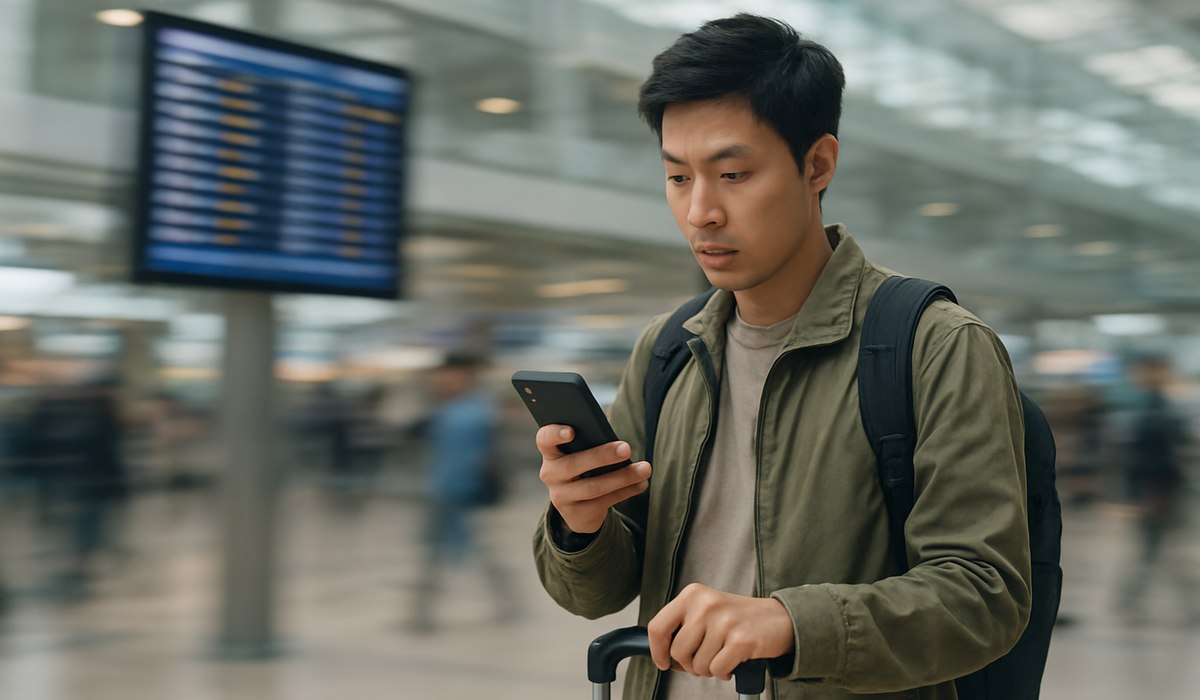
Image generated by AI
The Death of the Traditional Booking Funnel in Asia
Asian travelers have fundamentally rejected outdated booking workflows. What once worked—multi-step forms, delayed confirmations, and post-purchase support friction—now generates abandonment. The unsatisfied booking rate across Asia's major markets has become travel platforms' most critical warning signal. When travelers encounter delays, unclear pricing, or unresolved payment issues during checkout, they don't return. They switch platforms within seconds.
This shift isn't gradual. Market data from 2026 reveals that travelers expect real-time problem resolution before completing transactions. A slow search result, a confusing seat map, or missing baggage allowance details now triggers immediate cart abandonment. Platforms operating on yesterday's customer experience model face extinction. The unsatisfied booking rate measures exactly this gap—the percentage of initiated bookings that end without purchase due to unresolved friction.
Major booking platforms across Southeast Asia, India, and East Asia have begun implementing AI-powered chatbots, instant price matching, and dynamic inventory updates. Those investing in real-time solutions report 15-25% improvements in completion rates. Those ignoring this metric watch their market share erode to nimbler competitors.
Why Unsatisfied Booking Rate Matters More Than Conversion
Traditional metrics like conversion rate and cost per acquisition masked a critical truth. A platform could maintain a 3% conversion rate while losing 40% of high-intent travelers to friction. The unsatisfied booking rate exposes this hidden cost. It measures traveler intent that existed but died during the booking experience.
Why does this matter? Because high-intent travelers are your most valuable segment. They've already decided they want to travel. They've picked their dates, selected their destination, identified their preferred flights or hotels. If they abandon at checkout, the problem isn't awareness or consideration—it's execution.
Consider a traveler in Bangkok seeking a weekend flight to Phuket. They find three options, compare prices across three platforms, and select their preferred itinerary on Platform A. But Platform A's payment gateway times out. Platform B's baggage fees aren't transparent until final confirmation. Platform C shows real-time seat availability with instant bag selection, transparent pricing, and one-click checkout. The unsatisfied booking rate on Platforms A and B climbs. Platform C captures the traveler.
This metric directly correlates to revenue recovery. Every percentage point of unsatisfied booking rate represents revenue that existed, was nearly captured, and then escaped. Unlike improving awareness or generating new demand, reducing unsatisfied booking rates is pure profit recovery.
Real-Time Solutions: Meeting Travelers Where They Are
Asia's fastest-growing booking platforms are deploying three core real-time capabilities. First, instant friction resolution—when a traveler encounters an issue (payment declined, seat unavailable, price spike), the platform resolves it within seconds without abandoning the booking flow. Second, disruption anticipation—systems that predict when travelers might abandon and proactively offer solutions (upgrade suggestions, flexible date alternatives, price guarantees).
Third, dynamic experience personalization. A business traveler's booking flow differs radically from a budget backpacker's. Real-time solutions adapt the entire checkout experience based on behavioral signals, device type, and market-specific preferences.
Platforms implementing these capabilities report dramatic improvements in unsatisfied booking rate reduction. Singapore-based travel platforms have reduced booking friction by integrating local payment methods (GCash in Philippines, mBanking in Thailand) directly into checkout. Indian platforms now display real-time train availability and instant seat confirmation, matching traveler expectations shaped by domestic booking experience.
The technology enablement is expensive. Building real-time inventory synchronization across thousands of airlines and hotels requires infrastructure investment. But the alternative—watching high-intent travelers migrate to competitors—costs far more. Market leaders like Agoda and regional champions are already committed to this path. Smaller platforms face a choice: invest heavily or fade into irrelevance within 24 months.
The Cost of Ignoring Disruption Signals
Platforms that dismiss unsatisfied booking rate as peripheral face accelerating consequences. First, market share erosion. Travelers who experience friction once rarely return. They download competing apps, bookmark alternative sites, and recommend others to avoid you. Word-of-mouth in Asia travels fast.
Second, pricing pressure. When unsatisfied booking rates remain high, platforms must cut prices to compensate for lost volume. But price-cutting attracts price-sensitive travelers who generate lower lifetime value. Profitable growth becomes impossible.
Third, technological obsolescence. Platforms built on legacy booking systems cannot respond to real-time friction signals quickly enough. Their "quick fix" cycle measures weeks. Competitors' measure hours. This gap compounds quarterly, and by year three, the legacy platform has lost relevance.
The data is compelling. Travel platforms that reduced unsatisfied booking rates below 15% captured approximately 8-12% market share gains within six months. Platforms stuck above 25% lost market share to every competitor with modern infrastructure.
Consider also the indirect costs. High friction correlates with support ticket volume. Each unresolved checkout issue generates a support request, multiplying your operational costs while reducing traveler satisfaction. Travelers who experience friction during booking distrust your customer service before even purchasing.
Key Metrics: Unsatisfied Booking Rate Across Asia's Travel Markets
| Market | 2026 Avg. Unsatisfied Rate | Primary Friction Point | YoY Change | Market Recovery Timeline |
|---|---|---|---|---|
| Southeast Asia | 22% | Payment gateway delays | -8% | 2-3 quarters |
| India | 28% | Transparent pricing confusion | -5% | 3-4 quarters |
| East Asia (Japan, Korea) | 16% | Multi-language checkout errors | -12% | 1-2 quarters |
| Greater China | 18% | Real-time inventory sync failures | -9% | 2-3 quarters |
| Philippines | 31% | Local payment method gaps | -4% | 4+ quarters |
| Thailand | 24% | Baggage allowance clarity | -7% | 2-3 quarters |
What This Means for Travelers
-
Expect faster checkout experiences. Platforms investing in real-time solutions now offer checkout in under 90 seconds. Demand this standard. If a platform takes longer, switch.
-
Demand transparent pricing upfront. Baggage fees, seat charges, and taxes must appear before final confirmation. Don't accept "surprise charges" at checkout.
-
Verify payment method compatibility. Ensure your preferred payment method (digital wallet, bank transfer, card) integrates before booking. Test on mobile, the channel most travelers use.
-
Check real-time availability confirmation. Book only on platforms that show "confirmed" inventory status during checkout, not "pending confirmation after payment."
-
Document checkout issues. If you experience friction, report it to the platform and consider leaving reviews. Your feedback directly influences product priorities for unsatisfied booking rate reduction.
-
Choose platforms improving their experience. Platforms actively reducing unsatisfied booking rates publish these metrics. Support them with your bookings.
FAQ
What exactly is unsatisfied booking rate? Unsatisfied booking rate measures the percentage of booking attempts that end without purchase due to unresolved friction during checkout. It captures high-intent travelers lost to checkout failures, not visitors who never intended to book.
How does unsatisfied booking rate differ from bounce rate? Bounce rate measures all visitors who leave without interaction. Unsatisfied booking rate specifically measures initiated transactions abandoned due to friction. It's far more valuable as a metric because it represents nearly-captured revenue.
Which Asian markets show the worst unsatisfied booking rates? Philippines (31%) and India (28%) lead in friction. Southeast Asia averages 22%. East Asia (16%) performs best. Friction varies by payment infrastructure maturity, language complexity, and
Disclaimer
This article is for informational and educational purposes only. It does not constitute legal, financial, or professional advice. While we strive to provide accurate and up-to-date information, travel policies, regulations, and conditions change rapidly. Always verify information with official sources before making travel decisions. Nomad Lawyer makes no representations about the accuracy, reliability, completeness, or suitability of the information provided. Readers should consult qualified professionals for advice specific to their circumstances. The views expressed in this article are those of the author and do not necessarily reflect the views of Nomad Lawyer.
Preeti Gunjan
Contributor & Community Manager
A passionate traveller and community builder. Preeti helps grow the Nomad Lawyer community, fostering engagement and bringing the reader experience to life.
Learn more about our team →