
Boeing Airbus A320neo: Engines Explained in 2026
Boeing 737 MAX and Airbus A320neo both represent modern narrowbody aviation, but they're powered by completely different engines. Here's what travelers need to know in 2026.

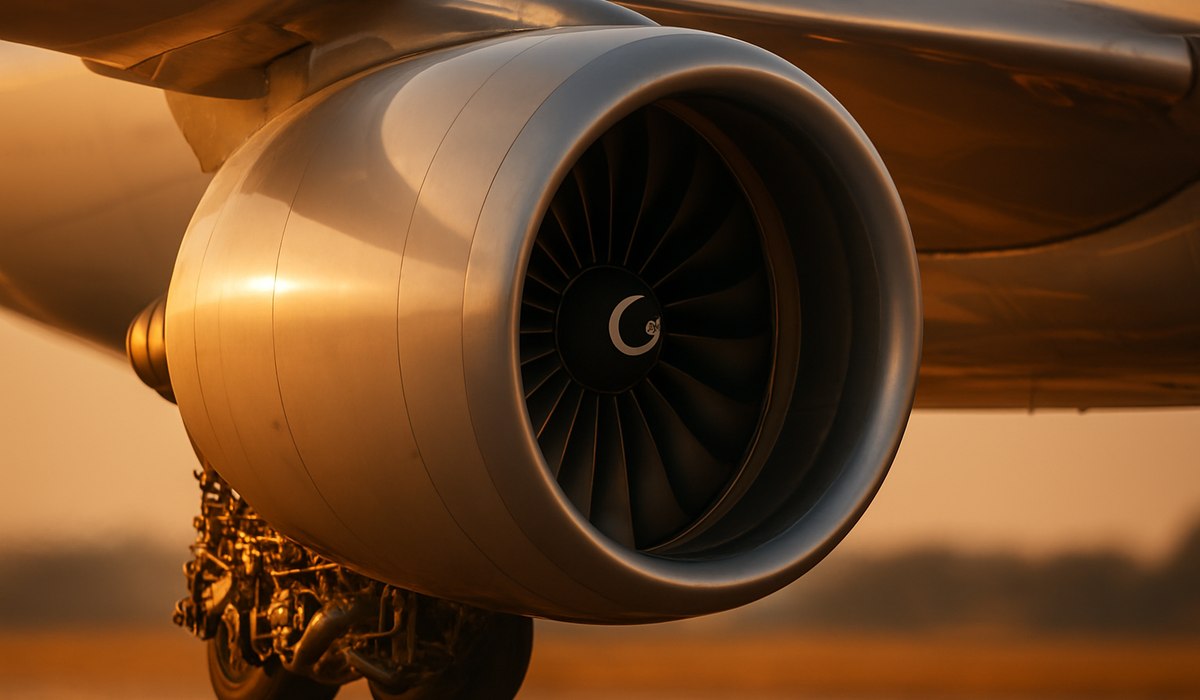
Image generated by AI
Myth Busted: Boeing 737 MAX and Airbus A320neo Use Different Engines
The Boeing 737 MAX and Airbus A320neo are frequently confused as interchangeable aircraft platforms. Both represent next-generation narrowbody design and operate on similar routes globally. However, a persistent misconception suggests they share powerplant technology. In reality, these two aircraft are propelled by fundamentally different engines engineered by separate manufacturers. Understanding this distinction matters for frequent travelers, aviation enthusiasts, and anyone tracking fleet modernization strategies across major carriers in 2026.
Engine Differences Between 737 MAX and A320neo
The Boeing 737 MAX family exclusively uses CFM International LEAP-1B engines. These turbofan powerplants feature composite fan blades, advanced fuel injection systems, and innovative thermal management. The LEAP-1B delivers approximately 24,000 to 27,000 pounds of thrust depending on aircraft variant configuration.
The Airbus A320neo family operates with multiple engine options, though the primary configuration uses Pratt & Whitney PW1100G geared turbofan engines or CFM International LEAP-1A variants. This multi-engine approach allows carriers flexibility in maintenance scheduling and procurement strategies. The PW1100G geared turbofan incorporates a revolutionary gear system between the fan and low-pressure compressor, reducing overall fuel consumption significantly compared to earlier generation powerplants.
This fundamental architectural difference between the same engine philosophy applied differently explains why training requirements, maintenance protocols, and spare parts inventories differ substantially between fleets. Airlines operating both aircraft types must maintain separate technical documentation and crew certification pathways. For passengers, this means improved reliability and performance as manufacturers optimize each powerplant specifically for its aircraft design. Learn more about CFM International's LEAP engine technology.
Why Aircraft Manufacturers Choose Different Powerplants
Modern commercial aviation prioritizes efficiency, reliability, and market differentiation. Boeing and Airbus pursue independent powerplant partnerships to maintain competitive advantages within their respective product lines.
Airbus developed the A320neo platform with Pratt & Whitney and CFM International simultaneously, creating optionality for customers. Airlines could select based on operational preferences, financing arrangements, and existing maintenance infrastructure. This strategy expanded market appeal and reduced customer resistance to fleet conversion decisions.
Boeing committed exclusively to CFM International for the 737 MAX family, streamlining supply chain management and reducing certification complexity. This singular focus allowed Boeing to negotiate favorable long-term engine availability agreements while simplifying airline crew training requirements across MAX variants. The concentration strategy reflects Boeing's confidence in LEAP-1B performance metrics and CFM's proven reliability track record across existing 737 fleets.
Engine manufacturers benefit from these exclusive arrangements through guaranteed production volumes. CFM International secures 737 MAX commitments while PW1100G technology powers premium A320neo configurations. Competition between powerplant providers remains fierce in the broader aviation market, incentivizing continuous innovation across both the 737 MAX and A320neo platforms. Check FAA certification standards for current engine validation requirements.
Performance and Efficiency Comparison
Modern narrowbody engines represent the fastest-evolving aviation technology segment. Both powerplants achieve remarkable fuel efficiency improvements over previous generation aircraft.
CFM's LEAP-1B for 737 MAX aircraft delivers approximately 20% fuel burn reduction compared to the 737-800 predecessor. Advanced materials, three-dimensional blade design, and hybrid-electric auxiliary systems maximize thermal efficiency across cruise and climb phases. Typical 737 MAX operating costs decreased substantially post-certification, influencing carrier adoption rates globally by 2026.
The Airbus A320neo equipped with PW1100G geared turbofans achieves approximately 25% fuel efficiency improvements over legacy A320 aircraft. The innovative gearing mechanism allows the fan to operate at optimal speeds independent of compressor rotational velocity, reducing drag and heat generation. Airlines report exceptional fuel economy on routes spanning 1,500 to 3,500 nautical miles, where A320neo platforms dominate scheduling.
LEAP-1A variants powering certain A320neo configurations match 737 MAX performance metrics closely, creating convergence in operational economics. Carriers maintain flexibility selecting either platform based on route profitability, airport infrastructure compatibility, and existing maintenance agreements. The engines' different designs produce identical passenger experience—modern, quiet cabins with reduced vibration and superior cabin pressurization technology throughout flight phases.
The Future of Commercial Aviation Engines
Engine technology trajectories reveal aviation's commitment to sustainability and operational excellence through 2030 and beyond. Both CFM and Pratt & Whitney announced next-generation powerplant programs targeting hybrid-electric and sustainable aviation fuel compatibility.
CFM's RISE program (Revolutionary Innovation for Sustainable Engines) envisions open-rotor architecture incorporating unducted fan designs reminiscent of 1980s-era technology but with modern materials and electronic controls. Potential fuel burn reductions exceed 35% compared to contemporary engines like the LEAP-1B.
Pratt & Whitney's evolutionary pathway for geared turbofan technology incorporates similar sustainability objectives while maintaining platform compatibility with existing airframe designs. The 737 MAX and A320neo families may receive upgraded powerplant options by 2028, extending aircraft competitiveness throughout their operational lifecycles.
Environmental regulations increasingly pressure manufacturers toward cleaner combustion and lower NOx emissions. Sustainable aviation fuel (SAF) compatibility now represents standard certification requirement rather than optional feature. Both LEAP and PW1100G powerplants achieve 100% SAF capability, positioning carriers for regulatory compliance and carbon reduction targets established by international aviation governance bodies.
Traveler Action Checklist
Understanding aircraft engine types enhances your travel planning precision and operational awareness:
-
Identify your aircraft type before booking by checking airline route equipment schedules on FlightAware or carrier websites.
-
Understand maintenance implications—different engines require varied unscheduled maintenance intervals, potentially affecting flight cancellation risks during peak travel seasons.
-
Prioritize fuel-efficient aircraft when airline options exist; A320neo and 737 MAX aircraft typically feature enhanced cabin comfort and reduced noise compared to older generations.
-
Request seat assignments on newer aircraft through airline reservation systems; premium cabins often feature enhanced avionics and smoother flight experiences.
-
Verify aircraft configuration if you're connecting internationally; engine selection affects pressurization comfort on extended flights above 35,000 feet.
-
Monitor flight status using aircraft registration numbers; specific aircraft maintenance histories occasionally trigger schedule adjustments impacting your itinerary.
-
Contact airline customer service if you have preference-driven accessibility needs; certain aircraft configurations serve disability-accessible seating more effectively.
Key Aviation Engine Data: Boeing 737 MAX vs. Airbus A320neo
| Specification | Boeing 737 MAX | Airbus A320neo |
|---|---|---|
| Primary Engine | CFM LEAP-1B | PW1100G/LEAP-1A |
| Engine Manufacturer | CFM International | Pratt & Whitney / CFM |
| Thrust Range (lbs) | 24,000–27,000 | 25,000–33,200 |
| Fuel Efficiency vs. Previous Gen | ~20% improvement | ~25% improvement |
| Seating Capacity | 162–210 passengers | 180–220 passengers |
| Typical Range | 3,550 nm | 3,550 nm |
| Cruise Speed | Mach 0.82 | Mach 0.82 |
| Cabin Noise Level | 75–78 dB | 75–78 dB |
| **SAF |
Disclaimer
This article is for informational and educational purposes only. It does not constitute legal, financial, or professional advice. While we strive to provide accurate and up-to-date information, travel policies, regulations, and conditions change rapidly. Always verify information with official sources before making travel decisions. Nomad Lawyer makes no representations about the accuracy, reliability, completeness, or suitability of the information provided. Readers should consult qualified professionals for advice specific to their circumstances. The views expressed in this article are those of the author and do not necessarily reflect the views of Nomad Lawyer.
Raushan Kumar
Founder & Lead Developer
Full-stack developer with 11+ years of experience and a passionate traveller. Raushan built Nomad Lawyer from the ground up with a vision to create the best travel and law experience on the web.
Learn more about our team →