
Vietnamese Startup Resurrects American Airlines' A330s After Six-Year Desert Storage: What It Means for Asian Aviation
Breaking airline news and aviation industry updates for 2026.

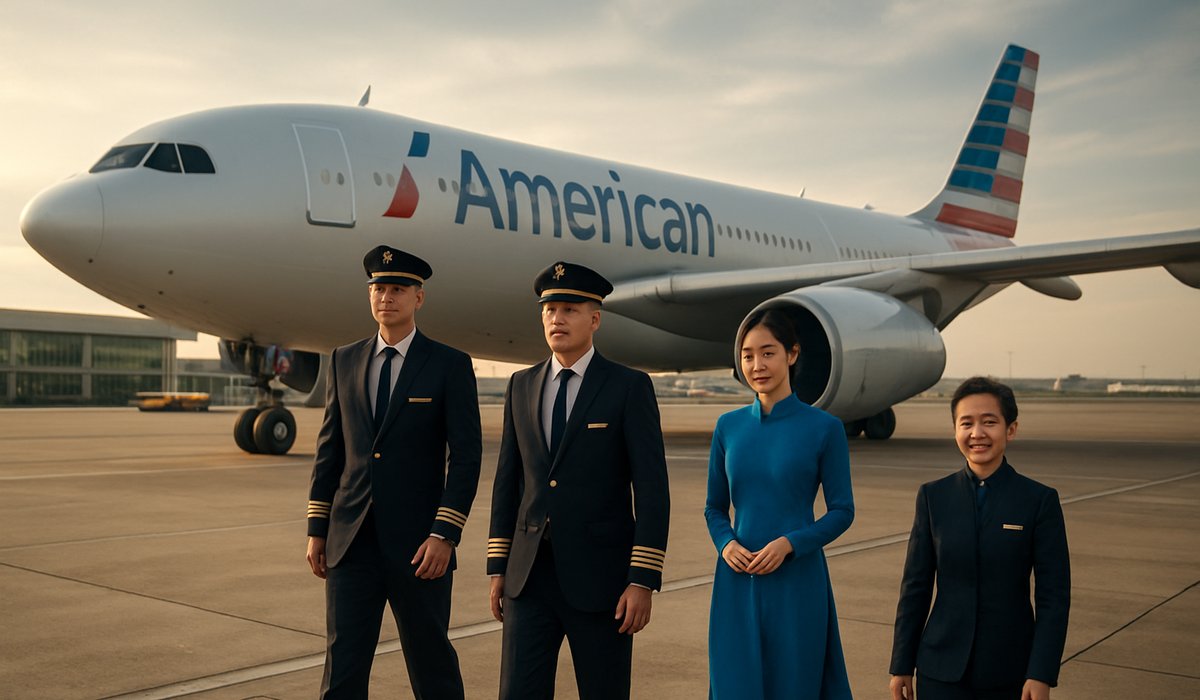
Image generated by AI
Vietnamese Startup Resurrects American Airlines' A330s After Six-Year Desert Storage: What It Means for Asian Aviation
Sun PhuQuoc Airways brings eight widebody aircraft back from New Mexico graveyard as regional carriers seek affordable long-haul capacity
New Carrier Acquires Dormant American Airlines Fleet
Vietnam's emerging airline Sun PhuQuoc Airways has secured a significant foothold in long-haul operations by acquiring eight Airbus A330 widebody jets that have languished in the New Mexico desert for over six years. The aircraft, originally operated by American Airlines, were parked at the Roswell International Air Center following the carrier's controversial decision to retire the fleet during the pandemic downturn—a move that sparked industry debate over permanent capacity reductions.
Despite years of storage, the widebodies have been maintained in airworthy condition, positioning Sun PhuQuoc Airways to rapidly expand international routes without the capital expense of new aircraft purchases. This acquisition reflects broader industry trends where emerging carriers capitalize on surplus inventory to compete in long-haul markets traditionally dominated by legacy airlines.
Strategic Implications for Southeast Asian Aviation
The transaction underscores a fundamental shift in aviation economics. As established carriers like American Airlines permanently retired aging fleets during the COVID-19 crisis, secondary markets—particularly in Southeast Asia—have emerged as critical absorption points for surplus widebody capacity. Sun PhuQuoc Airways' move enables the startup to launch intercontinental services to Europe, the Middle East, and potentially North America without the developmental timeline required for aircraft deliveries.
This development also highlights the asymmetric recovery patterns across global aviation. While North American and European carriers focused on fleet modernization and rightsizing, Asian carriers face surging demand for affordable international connectivity. The A330, a proven long-range widebody with reasonable operating costs, represents an attractive stepping stone for ambitious new entrants.
Broader Industry Context
The resurgence of aircraft from desert storage signals confidence in sustained travel demand recovery. Airlines worldwide maintain extensive graveyards—from Arizona's Pinal County to New Mexico's high-desert facilities—stocked with aircraft deemed permanently retired. Yet as capacity constraints emerge globally and fuel prices stabilize, even "dead" fleets are finding second lives.
For American Airlines, the disposal resolves a lingering pandemic-era decision. The carrier's A330 retirement was particularly contentious, as industry observers questioned whether demand would justify permanent mothballing. Sun PhuQuoc Airways' acquisition validates that international market appetite exists—just not within legacy carriers' cost structures.
The transaction also reflects Vietnam's growing ambitions as an aviation hub. Alongside FedEx's regional expansion and increasing Chinese investment in Southeast Asian infrastructure, the country is positioning itself as a nexus for regional and long-haul connectivity.
FAQ: Aircraft Storage, Airline Capacity, and Aviation Economics
Q: Why do airlines keep aircraft in desert storage rather than scrapping them immediately? A: Desert facilities preserve aircraft in low-humidity climates, maintaining flyable condition while avoiding scrap costs. This strategy allows carriers to reactivate capacity quickly if demand rebounds or sell to secondary operators.
Q: How much does it cost to reactivate an A330 from long-term storage? A: Reactivation typically involves extensive inspections, system tests, and regulatory certifications, costing $2-5 million depending on storage duration and component degradation.
Q: Why did American Airlines retire its A330s during the pandemic? A: Legacy carriers pursued aggressive fleet restructuring, retiring older widebodies to reduce debt and operating costs. Many never planned to return these aircraft to service.
Q: Is Sun PhuQuoc Airways a credible international operator? A: As Vietnam's newest carrier, the airline must obtain international operating permits and crew certifications before deploying acquired aircraft on long-haul routes.
Q: How does this acquisition affect global jet fuel prices and airline fees? A: Increased capacity from new carriers can theoretically increase competition on international routes, potentially moderating ticket prices, though operational costs and local regulations significantly influence final pricing.
Related Travel Guides
- Phoenix Sky Harbor Delays: 116 Flights Disrupted March 2026
- British Airways Axes 19 Key International and European Routes for Summer 2026: Massive Heathrow and Gatwick Reshuffle Triggers Major Travel Chaos for UK Flyers
- Delta, Singapore Airlines and Qantas Expand Ultra-Long-Haul Nonstop Flights for Global Business Travel in 2026
Disclaimer
This article is for informational and educational purposes only. It does not constitute legal, financial, or professional advice. While we strive to provide accurate and up-to-date information, travel policies, regulations, and conditions change rapidly. Always verify information with official sources before making travel decisions. Nomad Lawyer makes no representations about the accuracy, reliability, completeness, or suitability of the information provided. Readers should consult qualified professionals for advice specific to their circumstances. The views expressed in this article are those of the author and do not necessarily reflect the views of Nomad Lawyer.
Preeti Gunjan
Contributor & Community Manager
A passionate traveller and community builder. Preeti helps grow the Nomad Lawyer community, fostering engagement and bringing the reader experience to life.
Learn more about our team →