
Fighter Generation World: 6th-Gen Jets Race Heats Up in 2026
Global superpowers accelerate fighter generation world development as 6th-gen jet programs blur innovation lines. No universal standards exist yet for this cutting-edge aircraft category in 2026.

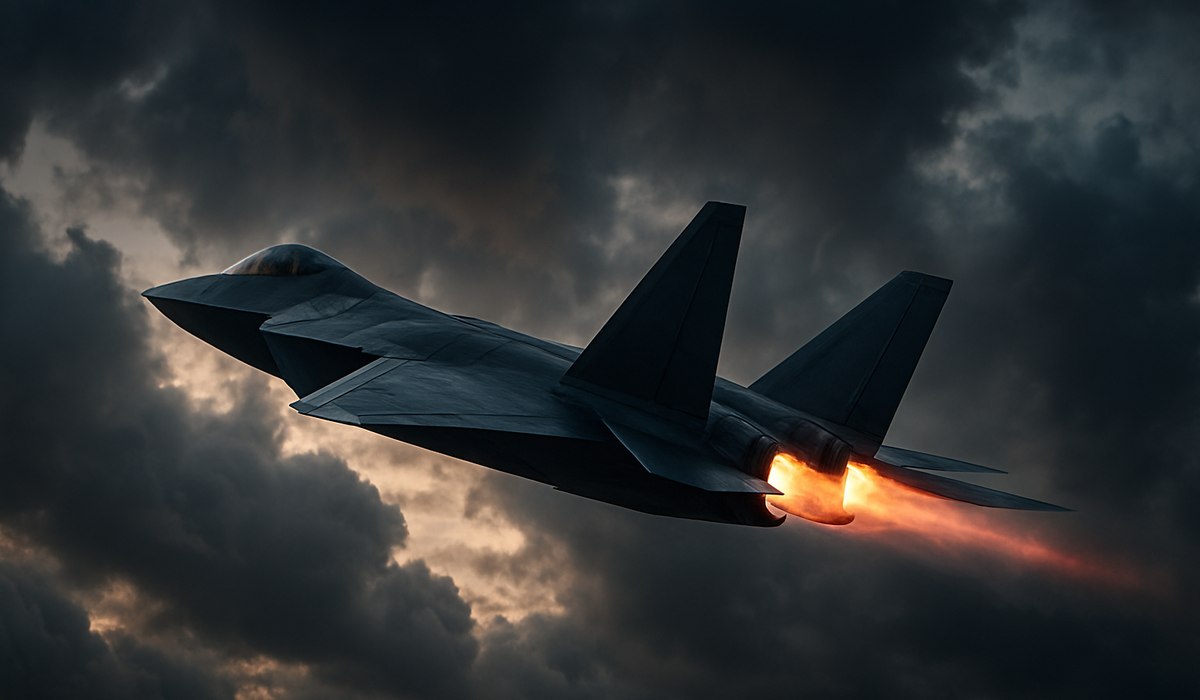
Image generated by AI
The Fighter Generation World Race Heats Up: Superpowers Compete for 6th-Gen Dominance
Leading military powers worldwide are accelerating development of sixth-generation fighter jets, intensifying competition in the fighter generation world as nations position themselves at the forefront of aerospace innovation. The race involves multiple countries simultaneously engineering what defense analysts describe as autonomous flying command centers capable of advanced autonomous decision-making. However, the fighter generation world lacks universally agreed-upon technical standards, with nations and manufacturers employing varying criteria to define what qualifies as a true sixth-generation platform.
This competitive landscape reflects broader geopolitical tensions and technological advancement goals. The absence of standardized definitions means the fighter generation world encompasses ambitious prototypes, conceptual designs, and aircraft at different development stages. Marketing departments, defense ministries, and aerospace firms frequently leverage the prestigious "sixth-generation" designation, sometimes blurring lines between aspirational capabilities and demonstrated performance metrics.
What Defines 6th-Generation Fighter Jets?
The fighter generation world lacks centralized definitional authority, creating ambiguity about aircraft classification. Industry consensus suggests sixth-generation fighters should embody comprehensive stealth integration across all viewing angles, advanced artificial intelligence systems for autonomous operations, and sophisticated network integration capabilities. These aircraft represent evolution beyond fifth-generation platforms through enhanced human-machine teaming and decision-making automation.
Key characteristics analysts associate with the fighter generation world include hypersonic flight capabilities, advanced sensor fusion systems, directed energy weapons integration potential, and distributed mission command capabilities. Rather than relying solely on pilot inputs, sixth-generation aircraft in the fighter generation world would theoretically operate as autonomous flying supercomputer command centers. These platforms would process massive sensor data arrays, coordinate with unmanned systems, and execute complex tactical operations with minimal human intervention.
The fighter generation world's definitional flexibility creates marketing opportunities for defense contractors and strategic positioning advantages for nations. Some programs emphasize artificial intelligence integration, while others prioritize hypersonic speeds or directed energy weapons. This fragmented approach means different aircraft carry the sixth-generation designation despite varying capabilities and maturity levels across the fighter generation world.
Global Programs and Development Status
Major aerospace powers maintain active sixth-generation fighter programs at different development stages. The United States Next Generation Air Dominance (NGAD) program represents one of the most advanced initiatives in the fighter generation world, with prototypes reportedly flying since 2020. This program prioritizes human-machine teaming and autonomous swarming capabilities over pure technological showcase.
France's Système de Combat Aérien Futur (SCAF) program partners with Germany and Spain to develop European alternatives within the fighter generation world. The collaborative approach distributes development costs while establishing technological sovereignty independent from American platforms. European development emphasizes sensor integration and network-centric warfare capabilities.
China's J-20 evolution programs and fifth-generation fighters serve as stepping stones toward acknowledged sixth-generation ambitions in the fighter generation world. Chinese defense publications reference advanced artificial intelligence integration and hypersonic cruise capabilities for future platforms. Russia's sixth-generation fighter concept remains largely theoretical but drives strategic narrative around fighter generation world competition.
Japan and the United Kingdom pursue independent development paths through the F-X program and Tempest initiative respectively, adding complexity to the fighter generation world. These programs reflect technological capabilities, industrial independence preferences, and alliance considerations. India's advanced fighter development efforts position it as an emerging player in the fighter generation world ecosystem.
Technological Capabilities and Features
Sixth-generation platforms in the fighter generation world emphasize artificial intelligence and autonomous decision-making over raw speed or traditional stealth measures. Integrated sensor suites combining radar, infrared, electronic warfare, and emerging sensor technologies create comprehensive awareness in contested environments. These aircraft would process petabytes of tactical data, synthesize threat assessments, and recommend or execute combat maneuvers independently.
Hypersonic cruise capabilities represent another fighter generation world priority, enabling rapid transit between theaters and persistent surveillance missions. Directed energy weapons integration—whether high-powered lasers or electromagnetic pulse systems—reflects emerging technological possibilities. Network integration allowing seamless communication with fifth-generation fighters, unmanned systems, satellites, and ground forces defines the fighter generation world's operational concept.
Affordability and sustainment considerations influence actual development versus conceptual aspirations in the fighter generation world. Maintaining networks of sixth-generation aircraft requires supporting infrastructure, training ecosystems, and logistics systems potentially exceeding fighter procurement costs. This reality constrains how many nations can realistically operate within the fighter generation world at genuine sixth-generation capability levels.
Geopolitical Implications and Timeline
The fighter generation world race reflects strategic competition extending far beyond aviation. Nations investing in sixth-generation development seek technological dominance, industrial capability demonstration, and alliance leadership positioning. Defense industrial capacity, specialized workforce availability, and sustained funding commitments determine realistic timelines within the fighter generation world.
Mature sixth-generation aircraft deployments remain unlikely before 2035-2040 for leading nations, with most fighter generation world programs targeting 2040-2050 operational timelines. This extended development horizon allows intermediate fifth-generation plus platforms to mature while sixth-generation capabilities gradually mature. Technology demonstration programs and autonomous system testing accelerate progress, though combat-proven sixth-generation aircraft represent the true fighter generation world achievement milestone.
International arms control and strategic stability concerns complicate the fighter generation world's development. Hypersonic weapons, autonomous weapons systems, and artificial intelligence integration trigger policy debates around weapons regulation and strategic arms limitations. The absence of international frameworks governing sixth-generation fighters creates risk of destabilizing capability differentials within the fighter generation world.
Fighter Generation World Development Tracker
| Nation/Program | Status | Key Focus | Est. Deployment |
|---|---|---|---|
| USA NGAD | Advanced development | AI autonomy, human-machine teaming | 2030s |
| France/Germany/Spain SCAF | Concept-definition phase | European sovereignty, sensor fusion | 2040+ |
| China J-20 evolution | Theoretical advancement | AI integration, hypersonic | 2035-2040 |
| Russia concepts | Conceptual stage | Hypersonic emphasis, propaganda | 2045+ |
| Japan F-X | Early development | Stealth, network integration | 2035+ |
| UK Tempest | Early definition | Unmanned teaming, AI | 2040+ |
What This Means for Travelers
While fighter generation world development might seem disconnected from commercial aviation, aerospace innovation impacts civilian flight in measurable ways. Advanced materials pioneered for military aircraft eventually transition to commercial aircraft, improving fuel efficiency and reducing travel costs. Autonomous systems research directly influences future autopilot and collision-avoidance systems on passenger aircraft.
Action Checklist for Informed Travel Planning:
- Monitor aerospace technology announcements from reputable defense publications for insights into aviation industry evolution
- Track which airlines modernize fleets with advanced aircraft incorporating fifth-generation technologies
- Consider aircraft age when selecting flights, as newer platforms incorporate latest safety innovations
- Review FlightAware specifications for your scheduled aircraft to understand technological capabilities
- Check FAA safety records for aircraft types to inform carrier and route selection
- Subscribe to aviation technology newsletters connecting military innovation to civilian benefits
- Visit US DOT for passenger rights information as aviation standards evolve
Frequently Asked Questions
What exactly is a 6th-generation fighter jet?
Sixth-generation fighters represent the next aviation generation emphasizing artificial intelligence, autonomous systems, and networked warfare capabilities rather than traditional metrics. They function as flying command centers capable of autonomous decision-making while maintaining human oversight. No universally standardized definition exists, creating definitional ambiguity across international military establishments and aerospace firms.
When will 6th-generation fighters actually enter service?
Mature sixth-generation fighter deployments realistically occur between 2035-2045 for leading military powers, with extended timelines reflecting development complexity. Most programs remain in testing or early development phases as
Disclaimer
This article is for informational and educational purposes only. It does not constitute legal, financial, or professional advice. While we strive to provide accurate and up-to-date information, travel policies, regulations, and conditions change rapidly. Always verify information with official sources before making travel decisions. Nomad Lawyer makes no representations about the accuracy, reliability, completeness, or suitability of the information provided. Readers should consult qualified professionals for advice specific to their circumstances. The views expressed in this article are those of the author and do not necessarily reflect the views of Nomad Lawyer.
Raushan Kumar
Founder & Lead Developer
Full-stack developer with 11+ years of experience and a passionate traveller. Raushan built Nomad Lawyer from the ground up with a vision to create the best travel and law experience on the web.
Learn more about our team →