
Iraq Cross-Border Travel Guide 2026: Aviation Waivers, Sacred Pilgrimages, and Regional Corridors

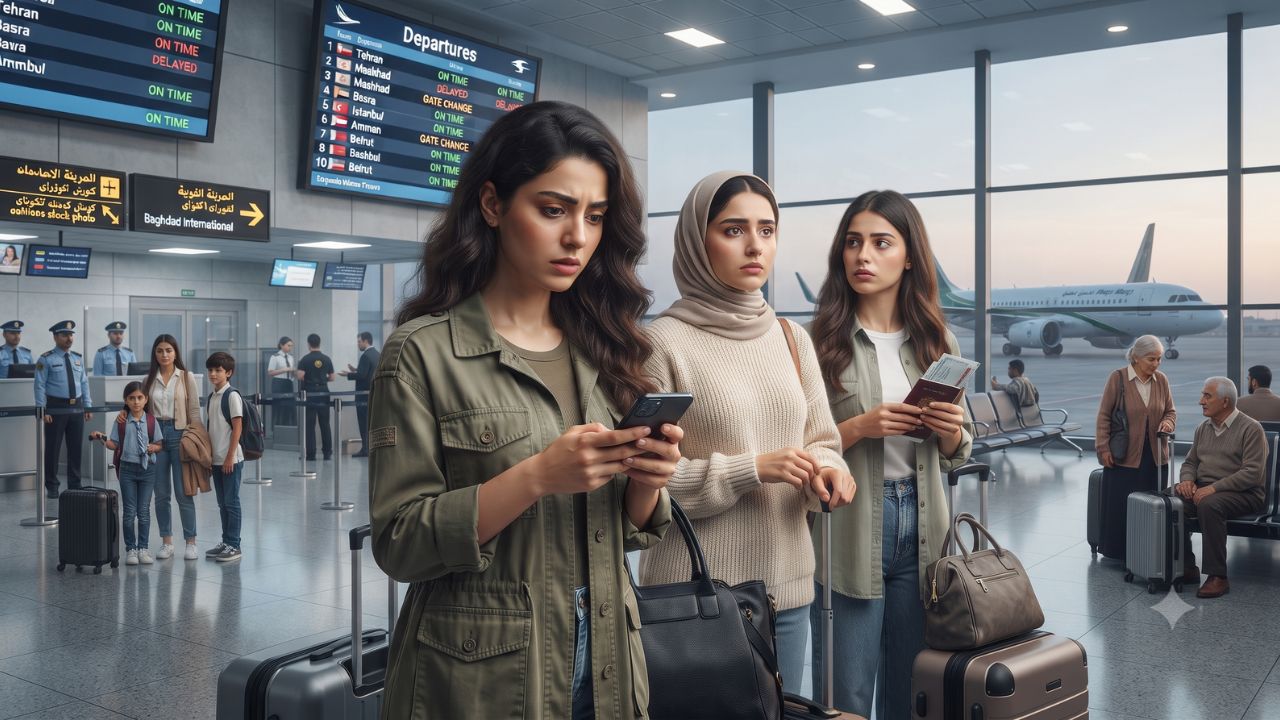
In a critical diplomatic push to safeguard essential civilian movement, Iraq is negotiating targeted humanitarian flight waivers with the United States to protect cross-border air links connecting millions of medical patients, university students, and religious pilgrims. While international sanctions have restricted Iranian airline operations across the wider Middle East, authorities in Baghdad are actively seeking special exemptions through the Iraqi Civil Aviation Authority to ensure that ordinary travelers are not cut off from life-saving medical care, academic programs, and spiritual heritage sites.
Rather than seeking broad commercial expansion, Iraqi officials have framed their request strictly around fundamental human mobility. Cross-border flights between Iraq and Iran serve as indispensable transit bridges that cannot be easily replaced by grueling overland journeys across arid frontier checkpoints.
Baghdad’s Humanitarian Air Corridors: Protecting Vital Regional Movement
Discussions between Baghdad and Washington focus on establishing protected operational frameworks for designated civilian travel categories. Disrupted airline services have placed immense strain on regional airports, making Iraqi terminals central hubs for passenger welfare:
- Medical Healthcare Transit: Thousands of patients travel regularly between Iraq and specialized medical clinics in Iran for advanced oncology treatments, complex cardiac surgeries, and specialized eye care. Uninterrupted one-hour flights between Baghdad, Najaf, and regional medical centers prevent severe health crises for vulnerable individuals unable to endure long road trips.
- Higher Education and Student Mobility: A substantial population of Iraqi and regional students are enrolled in cross-border degree programs across engineering, medicine, and Islamic humanities. Maintaining predictable air links prevents academic disruption and ensures students can complete examinations and residency requirements on schedule.
- Spiritual Pilgrimage Corridors: Millions of pilgrims journey annually between sacred shrines in Iraq and neighboring countries. Maintaining scheduled flights supports local hospitality operators, community guesthouses, and artisanal markets in holy cities like Najaf and Karbala, where spiritual tourism forms the backbone of the grassroots economy.
Monitored under standards established by the International Civil Aviation Organization, these negotiated air bridges aim to insulate essential civilian mobility from broader geopolitical friction.
What Makes Mesopotamia’s Sacred Geography Experientially Unique
Traveling across Iraq reveals a deep civilizational heritage where millennia of human history intersect with living spiritual traditions.
Between the Tigris and Euphrates rivers, the cradle of ancient Mesopotamia unfolds across historic mudbrick citadels, UNESCO-listed ruins, and glittering golden-domed shrines. Southern Iraq is defined by a culture of radical hospitality known locally as karam. During major spiritual gatherings and throughout the year, local hosts establish roadside hospitality stations called mowkib, providing complimentary spiced black tea, freshly baked flatbread (khubz), and warm lentil soup to visiting travelers.
In Najaf, the monumental golden shrine of Imam Ali sits adjacent to Wadi al-Salam, one of the world's largest historic cemeteries, containing millions of tombs spanning fourteen centuries. A short drive north leads to Karbala, where the mirrored glass tilework and soaring minarets of the Imam Hussein and Abbas shrines dominate the urban skyline. Further south, the tranquil marshlands of Chibayish, part of the UNESCO World Heritage Ahwar of Southern Iraq, offer an eco-cultural sanctuary where indigenous Marsh Arabs live in reed houses (mudhif) and navigate historic waterways by slender wooden canoes (mashoof).
Visitor Insider Tips for Navigating Iraq in 2026
- Visa on Arrival Formalities: Citizens from dozens of eligible countries, including European nations, the UK, the United States, Canada, and GCC states, can obtain a 60-day tourist visa on arrival for 75 USD at Baghdad (BGW), Najaf (NJF), and Basra (BSR) international airports. Carry crisp, uncreased US dollar bills for visa fee payments at border control.
- Intercity Ground Transfers: For travel between Baghdad, Babylon, Karbala, and Najaf, arrange private vehicles or licensed GMC shared taxis through reputable hotel concierge desks or registered transport terminals (garages) like Al-Nahda in Baghdad. Keep your original passport and accommodation booking receipts readily accessible for routine security checkpoints along main highways.
- Shrine Dress Regulations: Holy shrines enforce strict dress standards. Female travelers must wear a full-length black abaya covering the head and body (available for purchase or loan at shrine entrances). Male travelers should wear modest trousers and long-sleeved shirts.
- Currency and Payment Methods: Iraqi commerce operates almost entirely on cash. International debit and credit cards are rarely accepted outside luxury international hotels in Baghdad. Carry sufficient Iraqi Dinars (IQD) for daily meals, entrance tickets, and local craft shopping in historic souks.
- Culinary Specialties to Try: Sample traditional masgouf along Abu Nuwas Street in Baghdad. Fresh Tigris carp is butterflied, seasoned with rock salt, onion, and ground sumac, and roasted vertically beside open fruitwood fires, served with warm flatbread and pickled turnips.
Cultural and Environmental Context
Preserving predictable civilian flight links is essential to the economic vitality of Iraq's historic shrine cities. In Najaf and Karbala, hundreds of small-scale family businesses—ranging from brass smiths and date confectioners to boutique hoteliers and transit drivers—depend directly on incoming travelers.
When cross-border transit faces sudden restrictions, these grassroots urban economies suffer immediate shocks. Ensuring continuous civilian passage allows local communities to sustain autonomous livelihoods without relying on government subsidies.
At the same time, cultural preservation initiatives are expanding across the country. From ongoing restoration projects at ancient Babylon and the Arch of Ctesiphon to conservation programs protecting the fragile Mesopotamian marshes from climate-induced water shortages, responsible cultural tourism provides both economic incentives and international visibility to safeguard Iraq’s irreplaceable heritage.
FAQ: Visiting Iraq 2026
Can international visitors get a visa on arrival in Iraq?
Yes, passport holders from the EU, UK, US, Canada, Australia, and GCC countries can receive a 60-day tourist visa on arrival for 75 USD at major international airports.
How do travelers travel between Baghdad and the holy cities?
Travelers use licensed intercity taxis, GMC Suburbans, or private chauffeured cars connecting Baghdad to Karbala and Najaf via secure, paved highway corridors.
Are credit cards widely used in Iraq?
No, the vast majority of businesses, restaurants, and souks operate exclusively on cash in Iraqi Dinars or US Dollars.
What is the best season to explore southern Iraq and the marshes?
The cooler months from November through March offer pleasant daytime temperatures between 18 and 25 degrees Celsius, ideal for shrine visits and wetland boat tours.
Across the sunlit palm groves of the Euphrates and the ancient alleys of Baghdad, the enduring warmth of Mesopotamian hospitality proves stronger than any geopolitical boundary.
Related Travel Guides
Disclaimer
This article is for informational and educational purposes only. It does not constitute legal, financial, or professional advice. While we strive to provide accurate and up-to-date information, travel policies, regulations, and conditions change rapidly. Always verify information with official sources before making travel decisions. Nomad Lawyer makes no representations about the accuracy, reliability, completeness, or suitability of the information provided. Readers should consult qualified professionals for advice specific to their circumstances. The views expressed in this article are those of the author and do not necessarily reflect the views of Nomad Lawyer.
Preeti Gunjan
Contributor & Community Manager
A passionate traveller and community builder. Preeti helps grow the Nomad Lawyer community, fostering engagement and bringing the reader experience to life.
Learn more about our team →