
Ierapetra Crete World Tourism Day 2026: Venetian Fortress Festivities, Coastal Villages, and Digital Heritage Guide

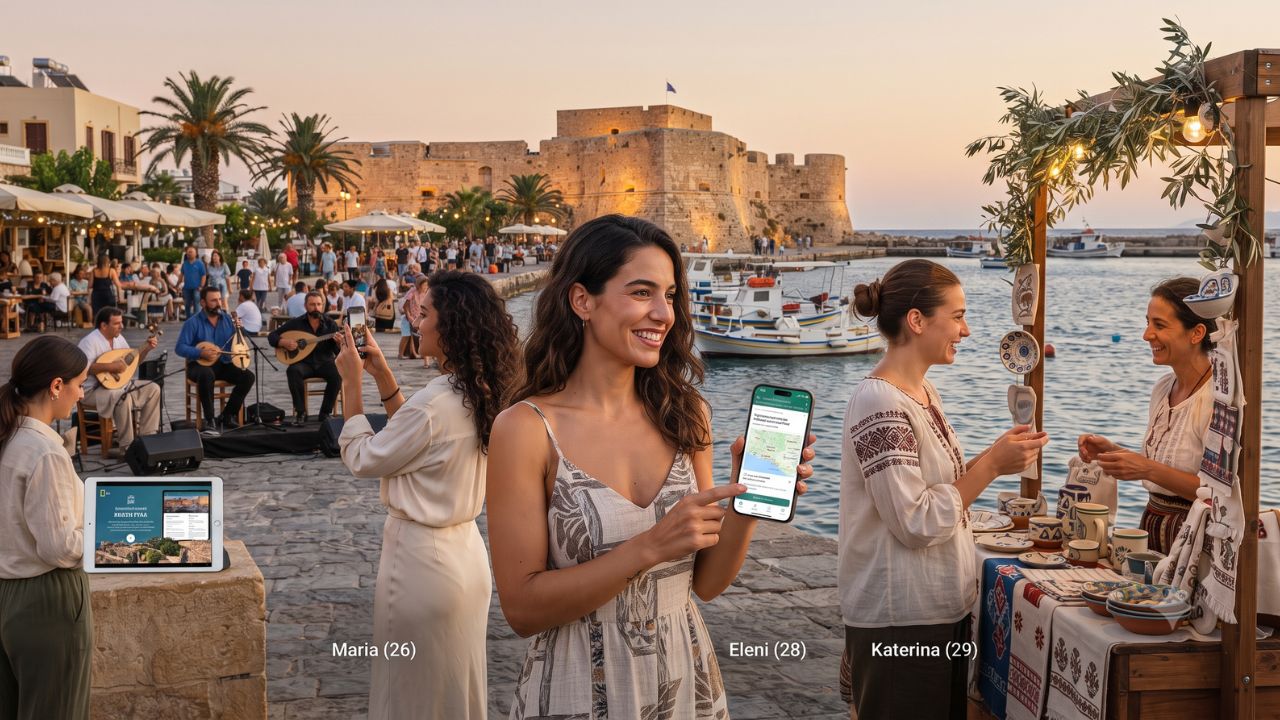
As Europe's southernmost town, Ierapetra receives over 300 days of sunshine a year, yet remains one of Crete's best-kept cultural refuges where Venetian fortresses meet the Libyan Sea far from mass resort corridors. From September 26 to 28, 2026, southeastern Crete is taking center stage as three historic coastal communities—the seaside hamlet of Myrtos, the urban maritime hub of Ierapetra, and the tranquil harbor of Makry Gialos—unite for an ambitious World Tourism Day celebration pairing centuries of Mediterranean heritage with forward-looking artificial intelligence and digital tourism initiatives.
Under the central theme "Digital Agenda and Artificial Intelligence to Redesign Tourism," this three-day regional gathering showcases how authentic Greek island communities can adopt next-generation travel technology while fiercely safeguarding their local character, traditional agriculture, and fragile marine ecosystems.
Southeastern Crete Unites: The World Tourism Day 2026 Schedule
The regional celebration connects three distinct coastal settlements across the Lasithi regional unit, providing travelers and residents with a dynamic cultural circuit supported by the Greek National Tourism Organisation:
1. Saturday, September 26: Community Traditions in Myrtos
The opening evening unfolds in the protected coastal village of Myrtos. Celebrated annually since 2010, the Myrtos community festival brings together local family-run tavernas, olive oil producers, and regional musicians for an evening of live Greek and international folk performances. The pedestrian-only alleys of Myrtos provide an intimate setting where visitors interact directly with village elders, artisans, and organic growers.
2. Sunday, September 27: Venetian Splendor at Ierapetra’s Kales Fortress
The central celebration convenes on Sunday evening along Ierapetra’s historic harbor. Beginning at 6:30 p.m., the 13th-century Venetian Kales Fortress hosts a curated children’s painting exhibition running until 8:00 p.m. At 7:30 p.m., the main waterfront stage comes alive with traditional Cretan lyre music, folk dancing, and public discussions addressing the application of artificial intelligence and digital navigation platforms in sustainable destination management. Visitors attending the Sunday gala should note that municipal parking restrictions will be strictly enforced throughout the waterfront and fortress perimeter.
3. Monday, September 28: Maritime Heritage in Makry Gialos
The festivities conclude at 7:30 p.m. on Monday at the Makry Gialos Fishing Shelter. Set against wooden fishing skiffs and quiet Libyan Sea coves, local cultural associations and fishermen's guilds stage traditional culinary tastings, acoustic performances, and historical presentations celebrating the maritime roots of southern Crete.
What Makes Southeastern Crete Experientially Different
While northern Crete is characterized by high-density resort strips and fast-paced highway corridors, southeastern Lasithi moves to an entirely different seasonal rhythm.
Ierapetra faces the Libyan Sea and North Africa, creating a unique microclimate where subtropical breezes nourish ancient olive groves and terraced vegetable gardens. The town itself is steeped in antiquity—from Minoan settlements and Roman marine ports to Ottoman mosques and the Venetian harbor bastion. Napoleon Bonaparte famously stayed in a modest stone residence in Ierapetra's old quarter (Kato Mera) in 1798 during his expedition to Egypt.
Beyond the town center, the surrounding coastline transitions into secluded pebble coves, the wild pine-forested gorges of Sarakina and Mylonas, and crystalline offshore archipelagos like Chrissi Island (Gaidouronisi). Traveling through this corner of Crete means experiencing traditional kafeneia (coffee houses) where locals share carafes of tsikoudia (distilled grape spirit), wild mountain greens (horta), and creamy goat's milk cheeses produced in high Dikti mountain dairies.
Visitor Insider Tips for Exploring Ierapetra and Lasithi
- Navigating the Town Center on Event Days: During the September 27 main celebration at Kales Fortress, vehicle access along Stratigou Samouil and the harbor promenade is restricted. Park your rental vehicle in the free public municipal lot near the central bus station (KTEL) and take an easy five-minute walk through the old town to the waterfront.
- Hiking the Sarakina Gorge: Just 20 minutes inland from Myrtos, Sarakina Gorge offers one of Crete's most dramatic canyon hikes. The trail features sculpted limestone walls, crystal pools, and natural rock scrambles. Wear sturdy water-resistant hiking shoes, as sections require wading through ankle-deep stream beds.
- Base Yourself in Myrtos for Village Charm: For quiet evenings away from traffic, book traditional stone guest suites in Myrtos. The village is completely shielded from northern meltemi winds, allowing calm swimming and beachside dining well into late autumn.
- Dining Authentically in Kato Mera: Wander behind the Ottoman mosque and minaret in Ierapetra's old quarter to discover family-run mezedopoleia. Order fresh grilled sea bream, dakos (barley rusks soaked in grated tomatoes, oregano, and local myzithra cheese), and slow-braised snails (chochlioi boubouristoi).
- Intercity Transit Connectivity: Regular KTEL intercity buses connect Heraklion International Airport directly to Agios Nikolaos and Ierapetra in approximately 90 minutes. Booking electronic tickets in advance via the official Crete Regional Transit Portal guarantees reserved seating during festival weekends.
Cultural and Environmental Context
The World Tourism Day initiative in Ierapetra emphasizes a decisive regional shift toward community-led, low-impact travel. Southeastern Crete has long balanced tourism with productive agriculture, generating high-quality extra virgin olive oil, citrus fruits, and organic greenhouse crops that supply dining tables across Europe.
Integrating artificial intelligence and digital itinerary tools helps disperse visitor traffic evenly across lesser-known inland villages like Selakano, Males, and Anatoli. By encouraging travelers to explore mountain hiking routes and historic Byzantine chapels rather than congregating solely along fragile beachfronts, the region protects its subterranean aquifers and coastal marine life.
Community-driven events like those in Myrtos and Makry Gialos also provide direct financial reinforcement for local cultural associations. Revenue generated during the autumn festival season directly funds youth arts workshops, historical archive preservation, and coastal clean-up initiatives throughout the winter months.
FAQ: Visiting Ierapetra and Southeastern Crete 2026
What is the best time of year to visit Ierapetra?
Late September through early November offers ideal conditions, with sunny days, warm Libyan Sea swimming temperatures of 24 degrees Celsius, and significantly smaller crowds than midsummer.
How do I travel to Ierapetra from Heraklion Airport?
Travelers can rent a car or take the regular public KTEL bus from Heraklion, reaching Ierapetra via the main national highway and Pachia Ammos in about 90 minutes.
Do I need a permit to visit Kales Fortress in Ierapetra?
Kales Fortress is generally open for public visits and cultural exhibitions. Entrance during the World Tourism Day evening performances is free, though capacity inside the upper battlements is monitored.
Is southeastern Crete suitable for solo and independent travelers?
Yes. Southeastern Crete is exceptionally safe, hospitable, and easy to navigate independently, featuring clearly marked hiking trails, reliable regional buses, and welcoming village communities.
Where Libyan Sea breezes meet ancient Venetian battlements, southeastern Crete proves that the future of travel begins by honoring the authentic spirit of the community.
Related Travel Guides
Disclaimer
This article is for informational and educational purposes only. It does not constitute legal, financial, or professional advice. While we strive to provide accurate and up-to-date information, travel policies, regulations, and conditions change rapidly. Always verify information with official sources before making travel decisions. Nomad Lawyer makes no representations about the accuracy, reliability, completeness, or suitability of the information provided. Readers should consult qualified professionals for advice specific to their circumstances. The views expressed in this article are those of the author and do not necessarily reflect the views of Nomad Lawyer.
Raushan Kumar
Founder & Lead Developer
Full-stack developer with 11+ years of experience and a passionate traveller. Raushan built Nomad Lawyer from the ground up with a vision to create the best travel and law experience on the web.
Learn more about our team →