
Mekong Delta Community Travel Guide 2026: Vietnam OCOP Rural Tourism, Ca Mau Mangroves, and Heritage Trails

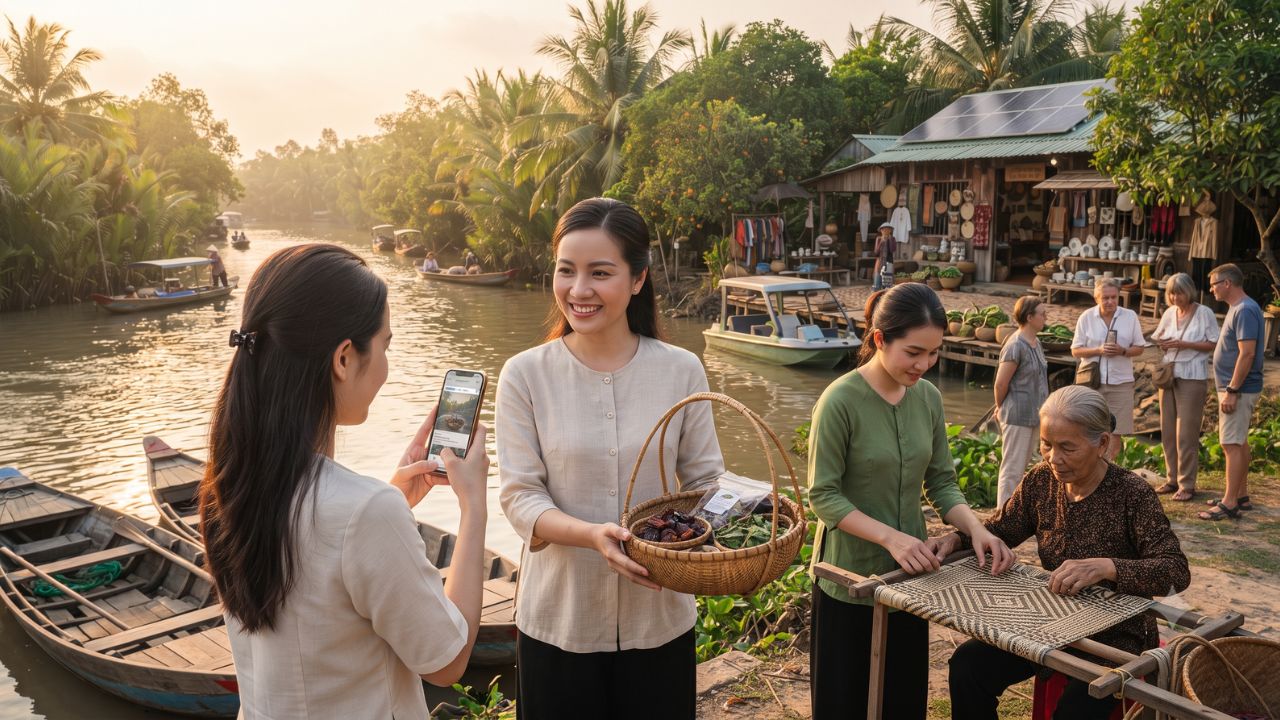
By June 2026, Vietnam had certified more than 21,000 distinct artisanal and agricultural specialties under its national One Commune One Product (OCOP) initiative, yet less than two percent have been linked to experiential travel itineraries. Across the river networks of the Mekong Delta and the coastal mangrove forests of Ca Mau, that gap is closing rapidly under Resolution 26-NQ/TW, a landmark government blueprint steering Vietnam’s tourism sector toward a 2045 vision rooted in cultural preservation, indigenous craft economies, and community-led hospitality.
Rather than funneling travelers into crowded tour-bus circuits or scripted souvenir workshops, this grassroots evolution empowers rice farmers, honey harvesters, fruit orchardists, and fish-sauce artisans to welcome visitors directly into their working homesteads.
The OCOP Revolution: Transforming Rural Crafts into Immersive Journeys
Under the official framework overseen by the Vietnam National Authority of Tourism, the OCOP model has expanded far beyond product labeling. In provinces like Ben Tre, Tien Giang, Can Tho, and Ca Mau, rural cooperatives are turning centuries-old agrarian knowledge into sustainable travel experiences built on three essential pillars:
- Direct Community Ownership: Local families retain full operational control of their homestays, boat tours, and cooking workshops, ensuring that tourism revenues stay within village cooperatives rather than leaking to external tour agencies.
- Enhanced Market Accessibility: Connecting remote farming hamlets with regional transport networks, digital booking platforms, and electric-boat waterways allows independent travelers to navigate rural routes with confidence.
- Verified Service Standards: Setting clear quality benchmarks for hygiene, guest safety, and environmental protection ensures that rustic village stays provide comfort without sacrificing authentic local charm.
What Makes the Mekong Delta and Ca Mau Experientially Different
While standard day-trippers from Ho Chi Minh City rarely venture beyond the commercialized floating markets of My Tho, the southern delta holds an intricate maze of tidal canals, ancient Khmer pagodas, and untamed mangrove ecosystems.
In the southern tip of Ca Mau, where the Gulf of Thailand meets the East Sea, travelers encounter the UNESCO Mui Ca Mau Biosphere Reserve. Here, traditional families practice sustainable integrated mangrove-shrimp farming, harvesting giant tiger prawns within natural tidal estuaries while replanting protective rhizophora mangrove forests. Visitors navigate narrow water channels by wooden long-tail skiffs (vo lai), learning to harvest wild honey from the cajeput forests of U Minh Ha through traditional bee-nesting techniques passed down through generations.
Across Tra Vinh and Soc Trang, the delta reveals its deep multicultural heritage. More than 140 Theravada Khmer temples with soaring gilded roofs dot the countryside, coexisting peacefully alongside historic Vietnamese ancestral communal houses (dinh) and Chinese assembly halls. Life here moves to the rhythm of the tides, with seasonal harvests yielding fragrant ST25 rice, sweet pomelos, dragon fruit, and sun-dried river fish.
Visitor Insider Tips for Exploring Rural Southern Vietnam
- Optimal Travel Seasons: Visit the Mekong Delta between November and April during the dry season for pleasant cycling weather, clear skies, and vibrant fruit orchard harvests. If you wish to experience the dramatic high-water floating season (mua nuoc noi), plan your journey between September and October when canals overflow into lush lotus fields.
- Transport Strategies: Bypass crowded highway mini-vans by taking the high-speed passenger ferry from Ho Chi Minh City down the Saigon River to Vung Tau, or catch the overnight express sleeper bus directly to Can Tho and Ca Mau. Once in the delta, renting a bicycle or lightweight scooter is the best way to explore narrow village paths (duong lang).
- Homestay Etiquette and Respect: When staying in a traditional delta homestay, remove your footwear before stepping onto tiled living areas. Greet family elders with a slight bow, and never point your feet directly at family altars or seated hosts.
- Regional Culinary Delicacies: Beyond standard noodle soups, order authentic southwestern specialties like banh xeo mien Tay (crispy turmeric rice crepes stuffed with wild river shrimp, pork, and bean sprouts, wrapped in wild mustard leaves) and ca tai tuong chien xu (deep-fried elephant ear fish served upright with fresh rice paper and tamarind dipping sauce).
- Responsible Waste Habits: Rural waterways are vulnerable to plastic pollution. Always travel with a refillable water flask, decline single-use plastic straws and bags at village markets, and support homestays equipped with solar water heaters and rainwater filtration systems.
Cultural and Environmental Context
The transition toward OCOP community-based tourism provides an essential economic buffer against climate change. The Mekong Delta faces rising sea-level intrusion, soil salinization, and altered upstream river flows that threaten conventional rice monoculture.
By diversifying household incomes through eco-tourism, agro-forestry tours, and certified artisanal craft sales, rural families are no longer entirely dependent on volatile commodity crop prices. Women-led weaving collectives, traditional coconut-candy confectioners, and mat-weaving hamlets in Long Dinh are seeing renewed interest from younger generations who choose to remain in their ancestral villages rather than migrating to crowded manufacturing zones in larger cities.
Moreover, community forestry initiatives in Ca Mau incentivize local fishermen to protect coastal mangrove belts. Preserving intact mangrove roots stabilizes riverbanks against storm surges while providing vital nurseries for wild mud crabs, clams, and migratory wading birds.
FAQ: Visiting Vietnam's Mekong Delta 2026
What is an OCOP tourism experience in Vietnam?
OCOP tourism connects travelers directly with certified village producers, offering hands-on workshops in traditional agriculture, artisanal crafts, and sustainable culinary traditions.
Do foreign travelers need special permits to visit Ca Mau?
Foreign passport holders can travel freely to Ca Mau city and the Mui Ca Mau National Park without special permits, needing only a valid Vietnam visa and passport.
How do I travel from Ho Chi Minh City to the deep Mekong Delta?
Direct express buses connect Ho Chi Minh City to Can Tho in three hours, while domestic flights operate from Tan Son Nhat (SGN) directly to Ca Mau Airport (CAH).
Is the Mekong Delta suitable for self-guided cycling?
Yes. The flat network of paved village canal paths (duong dan sinh) is ideal for peaceful cycling away from motor vehicle traffic.
Where tranquil tidal rivers weave through mangrove forests, Vietnam's rural heartland shows that true travel luxury is found in living traditions and authentic human connection.
Related Travel Guides
Disclaimer
This article is for informational and educational purposes only. It does not constitute legal, financial, or professional advice. While we strive to provide accurate and up-to-date information, travel policies, regulations, and conditions change rapidly. Always verify information with official sources before making travel decisions. Nomad Lawyer makes no representations about the accuracy, reliability, completeness, or suitability of the information provided. Readers should consult qualified professionals for advice specific to their circumstances. The views expressed in this article are those of the author and do not necessarily reflect the views of Nomad Lawyer.
Naina Thakur
Contributor & Travel Specialist
Travel enthusiast and legal writer covering visa regulations, responsible tourism, and cultural journeys across global destinations.
Learn more about our team →