
India’s MICE Sector Eyes USD 103.7 Billion Growth by 2030
India's travel sector is surging, with the MICE market projected to reach USD 103.7 billion by 2030. Explore the latest trends in sustainable and luxury travel.

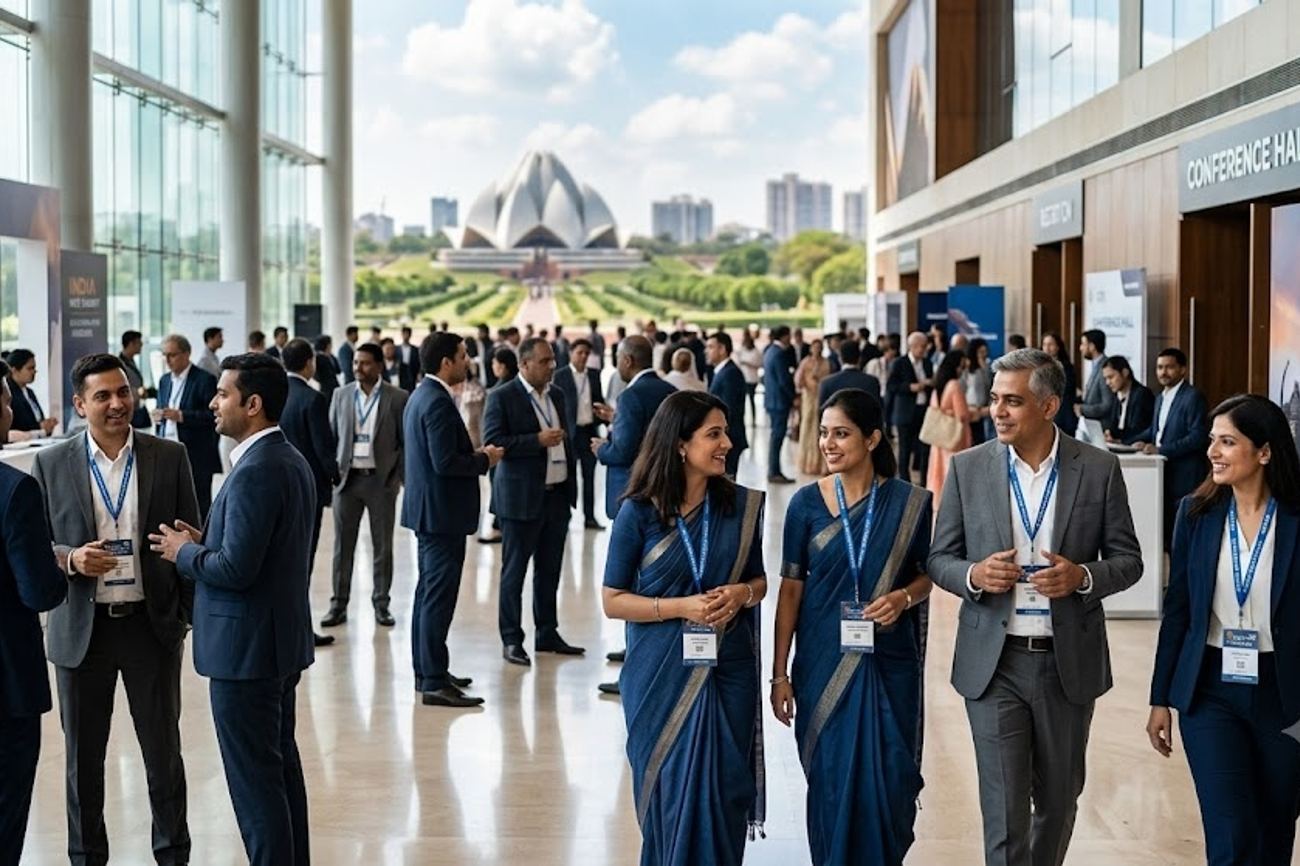
Image generated by AI
The Shift Toward High-Value Corporate Travel
The recent conclusion of BLTM 2026 at the Yashobhoomi Convention Center in New Delhi has signaled a definitive shift in how India positions itself on the global stage. No longer just a leisure destination, India is aggressively scaling its MICE (Meetings, Incentives, Conferences, and Exhibitions) infrastructure to compete with global hubs.
The scale of this appetite is evident in the numbers: the event saw a 23% year-over-year increase in trade visitors, totaling over 13,000 attendees. With 500+ exhibitors and 450+ hosted buyers representing five countries and 18 Indian states and Union Territories, the focus has moved toward "democratizing" the industry. This allows boutique operators and rural tourism providers to connect directly with corporate travel managers.
The economic trajectory is steep. While the domestic MICE market is eyeing that USD 103.7 billion mark by 2030, the outbound MICE segment is also expanding, with a target of USD 13.4 billion by 2031. This is driven by a surge in premium incentive trips and a corporate culture that increasingly blends high-level board retreats with experiential leisure.
Cultural & Environmental Value
For the traveler, this growth is not merely about larger convention centers; it is about a fundamental change in how tourism interacts with local heritage. The integration of the ICRT Indian Subcontinent Responsible Tourism Awards—supported by the Ministry of Tourism—indicates that sustainability is now a prerequisite for growth rather than an afterthought.
The real impact is seen in the rise of niche rural tourism and community-led hospitality. By steering corporate groups away from sterile hotel ballrooms and into heritage sites and village-led experiences, the industry is creating a direct pipeline of wealth into local economies. The focus has shifted toward waste management and gender inclusion, ensuring that the projected leap to a 10% GDP contribution by 2047 does not come at the cost of regional ecology.
Visitor Insider Tips
To navigate this evolving destination, travelers and corporate planners should consider these local nuances:
- Off-Peak Planning: To avoid the congestion of major MICE hubs like New Delhi or Mumbai, schedule visits between July and September. While this is the monsoon season, luxury resorts in the Western Ghats and Kerala offer their most stunning, lush greenery during this window.
- Cultural Etiquette: When engaging with rural tourism initiatives, prioritize "slow travel." Local communities value relationship-building over quick transactions; spending time in communal spaces often unlocks access to hidden heritage sites not found in brochures.
- Dining Specialty: Move beyond standard hotel catering. Seek out Thalis (traditional platters) that vary by state—such as the Rajasthani Ker Sangri or the coastal seafood preparations of Goa—to experience the authentic regional diversity discussed at trade summits.
- Hidden Spot: Explore the "circuit" towns around major cities. Instead of staying solely in the capital, venture to smaller heritage hubs in Madhya Pradesh or Odisha, where the new infrastructure is making luxury stays more accessible.
Tourism Outlook
The long-term trajectory for India is a move toward "Responsible Growth." As articulated by Shri Suman Billa, IAS, of the Ministry of Tourism, the challenge is no longer achieving growth, but ensuring that growth serves as an engine for community development. As India builds out its world-class physical assets, the expectation is a balanced ecosystem where high-spend corporate travel funds the preservation of rural heritage and sustainable infrastructure.
Related Travel Guides
Disclaimer
This article is for informational and educational purposes only. It does not constitute legal, financial, or professional advice. While we strive to provide accurate and up-to-date information, travel policies, regulations, and conditions change rapidly. Always verify information with official sources before making travel decisions. Nomad Lawyer makes no representations about the accuracy, reliability, completeness, or suitability of the information provided. Readers should consult qualified professionals for advice specific to their circumstances. The views expressed in this article are those of the author and do not necessarily reflect the views of Nomad Lawyer.
Naina Thakur
Contributor & Travel Specialist
Travel enthusiast and legal writer covering visa regulations, responsible tourism, and cultural journeys across global destinations.
Learn more about our team →