
Vietnam Must Pivot to High-Value Tourism as Infrastructure Expands
Optimum Hospitality CEO John Gardner argues Vietnam should prioritize high-spending visitors and longer stays as new airports and expressways expand access.

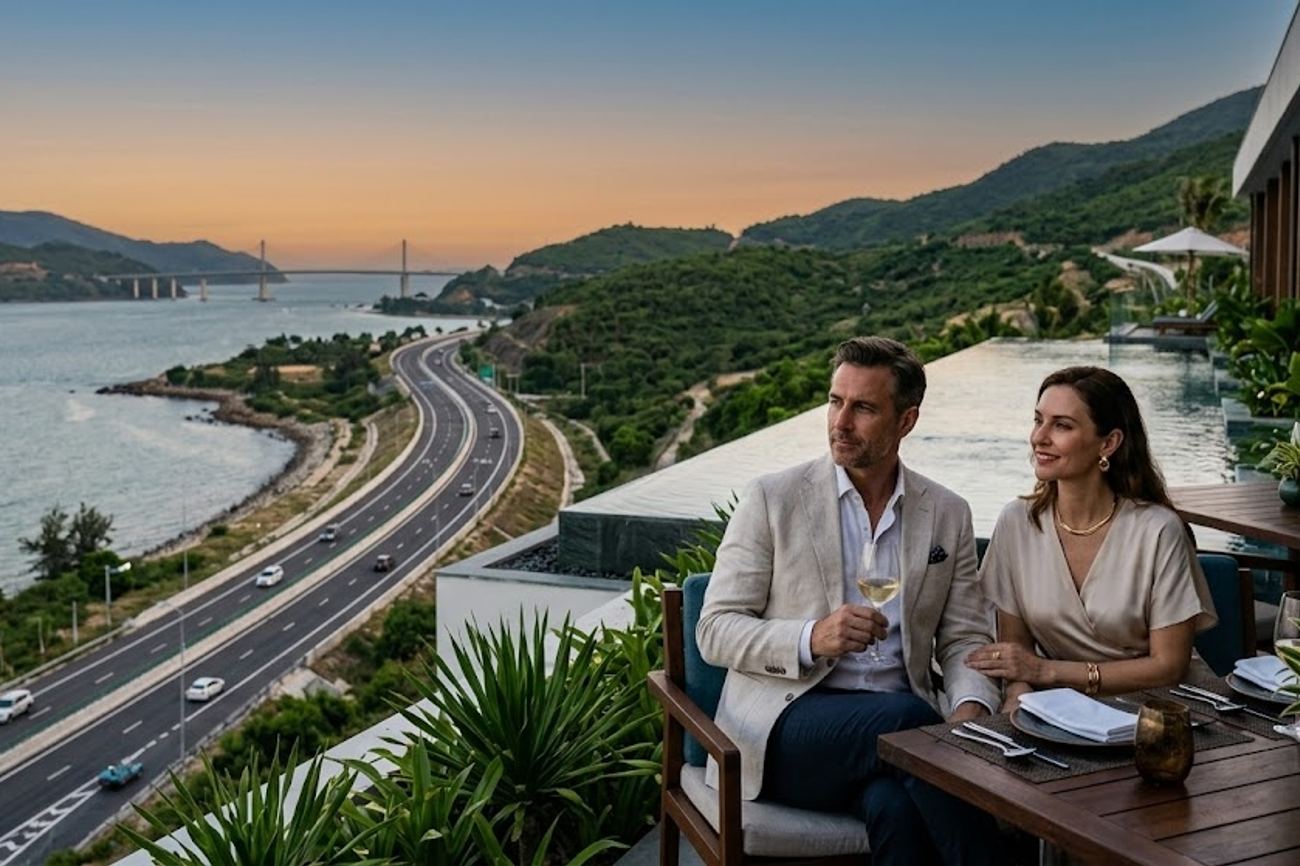
Image generated by AI
Infrastructure Expansion Driving Tourism Accessibility
Vietnam is entering a pivotal phase of tourism development driven by significant investments in transport. According to John Gardner, CEO of Optimum Hospitality, the expansion of expressways, railways, and airports is fundamentally changing how international guests access the country.
The development of the expressway network surrounding Ho Chi Minh City and the introduction of new aviation hubs are expected to decentralize tourism. This shift allows hospitality growth to move beyond traditional hubs and into wider, previously inaccessible regions.
Gardner emphasizes that while these projects serve the broader economy, their impact on the hospitality sector is profound, making remote properties more viable for international guests.
The Shift from Volume to Value
For decades, Vietnam has been a primary destination for budget-conscious travelers and backpackers. However, Gardner argues that the current strategy of measuring success by arrival totals is flawed.
The new objective should be "Information Gain" in revenue—prioritizing the quality of the visitor over the quantity. This involves:
- Targeting Wealthier Demographics: Shifting marketing efforts toward high-net-worth individuals.
- Increasing Length of Stay: Encouraging visitors to remain in the country longer to explore newly accessible regions.
- Upscaling Accommodation: Driving demand for five-star properties over budget lodging.
By focusing on higher spending per capita, Vietnam can generate greater economic value even if total visitor numbers remain stable.
Long Thanh Airport and the "Last Mile" Challenge
The development of Long Thanh Airport is positioned as a game-changer for southern Vietnam. While the airport increases capacity, Gardner warns that the "arrival experience" is where the system often fails.
Current challenges, such as long arrival queues, can diminish the first impression for luxury travelers. The success of Long Thanh depends not just on the terminal, but on the integrated transport links—roads and railways—that connect the airport to hotels and tourist sites.
Operational Hurdles: Language and Management
Physical infrastructure is only one part of the equation. To attract high-spending guests, the service layer must evolve.
The Communication Gap English-language proficiency remains inconsistent. While major hubs like Hanoi, Danang, and Ho Chi Minh City maintain high standards, smaller towns and emerging destinations struggle. This gap creates a barrier for high-end travelers who expect seamless communication.
Professional Management Demand The surge in new hotel projects has created a spike in demand for professional feasibility studies and asset management. Owners are increasingly seeking expert guidance on:
- Pre-opening support and operational setup.
- Asset management to navigate dealings with global hotel operators.
- Feasibility studies to ensure new investments are viable in a shifting market.
Key Takeaways
- Quality Over Quantity: Vietnam needs to move away from "arrival counts" as a primary KPI and focus on average spend per visitor.
- Infrastructure Synergy: The value of new airports like Long Thanh is tied directly to the quality of ground transport and "last mile" connectivity.
- Service Standardization: Improving English-language skills in secondary cities is essential to supporting a nationwide luxury tourism push.
- Expert Oversight: The rise in hospitality investment is driving a need for professional feasibility and management consulting.
FAQ
Why should Vietnam target higher-spending travelers? Higher-spending travelers typically stay longer and utilize premium services, providing more economic value per person than budget travelers and reducing the strain on infrastructure.
How does Long Thanh Airport impact tourism? It significantly increases the capacity for international arrivals in southern Vietnam, though its full potential depends on the completion of supporting road and rail links.
What is the main service barrier for Vietnam's hospitality growth? The primary barrier is the inconsistency of English-language skills outside of the three major cities, which can hinder the experience for international luxury tourists.
Related Travel Guides
Disclaimer
This article is for informational and educational purposes only. It does not constitute legal, financial, or professional advice. While we strive to provide accurate and up-to-date information, travel policies, regulations, and conditions change rapidly. Always verify information with official sources before making travel decisions. Nomad Lawyer makes no representations about the accuracy, reliability, completeness, or suitability of the information provided. Readers should consult qualified professionals for advice specific to their circumstances. The views expressed in this article are those of the author and do not necessarily reflect the views of Nomad Lawyer.
Raushan Kumar
Founder & Lead Developer
Full-stack developer with 11+ years of experience and a passionate traveller. Raushan built Nomad Lawyer from the ground up with a vision to create the best travel and law experience on the web.
Learn more about our team →