
Vietnam Must Pivot Toward Luxury Tourism as Infrastructure Expansion Opens New Regions
Optimum Hospitality CEO John Gardner argues Vietnam must prioritize high-spending tourists and infrastructure links to maximize tourism revenue growth.

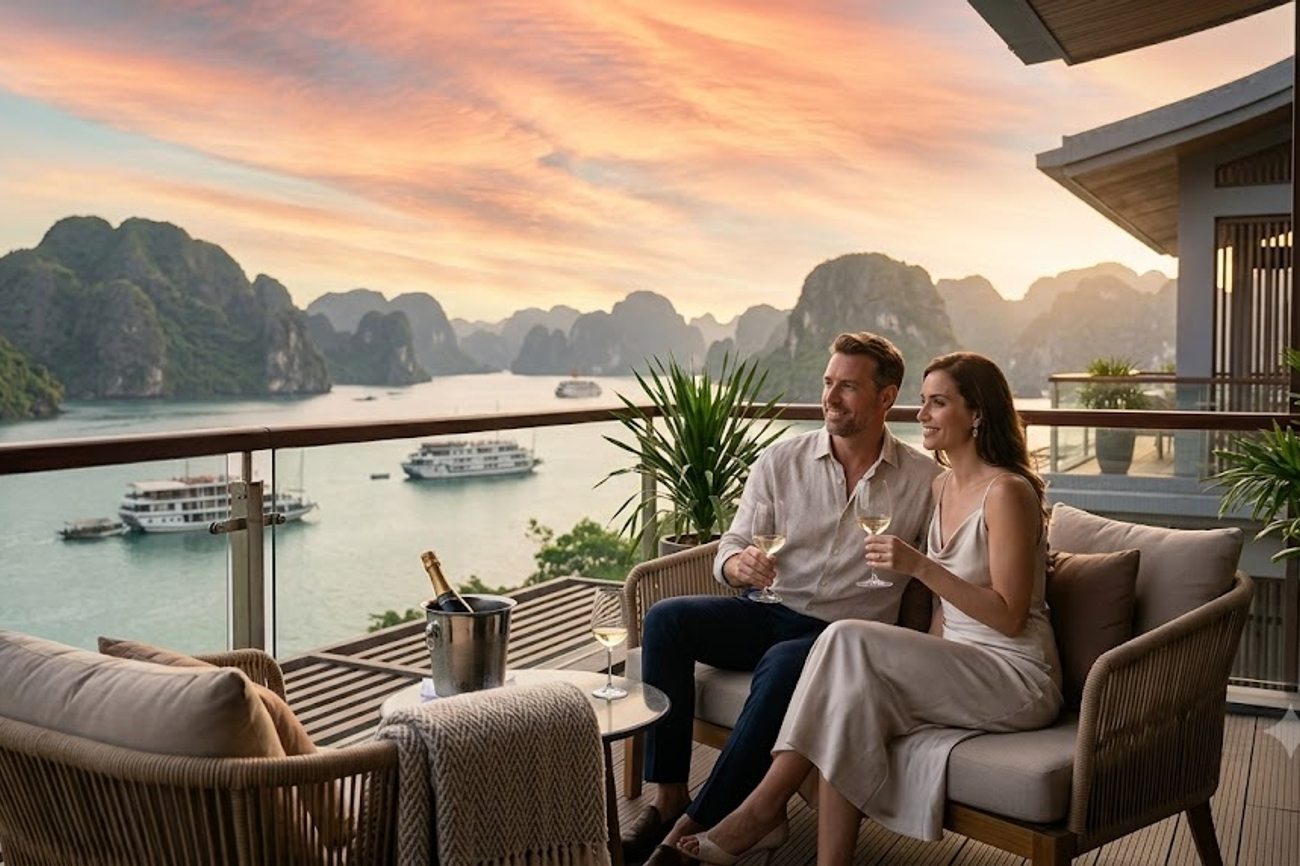
Image generated by AI
Danang, Vietnam —
Vietnam's tourism sector is at a critical crossroads where the sheer volume of arrivals no longer serves as the primary metric for success. Industry experts are now calling for a strategic pivot toward attracting higher-spending international travelers and extending the average length of stay to maximize economic impact. This shift comes as the nation undergoes a massive infrastructure overhaul, including the development of new aviation hubs and expressway networks designed to decentralize tourism and open previously inaccessible regions.
Strategic Shift Toward High-Value Tourism
The traditional image of Vietnam as a budget-friendly destination for backpackers is evolving. According to John Gardner, CEO of Optimum Hospitality, the country must aggressively market itself to wealthier demographics who prioritize five-star accommodations and premium experiences. The argument is rooted in "value over volume"; a smaller number of high-spending visitors can generate more revenue for local businesses and hotel owners than a larger influx of low-budget travelers.
For the hospitality sector, this means a transition in marketing focus. Rather than competing on price, destinations are encouraged to compete on exclusivity, service quality, and unique luxury offerings. By encouraging guests to remain in the country for longer periods, Vietnam can distribute tourism wealth more evenly across its provinces, reducing the pressure on over-saturated hubs while increasing the total spend per visitor.
Infrastructure Expansion and Regional Accessibility
The next three to five years are expected to be transformative for Vietnam’s transport landscape. The integration of new expressways, upgraded railways, and expanded airport capacities is viewed as the primary catalyst for this tourism evolution. These projects are not merely logistical upgrades but are essential tools for expanding the country's "tourism map."
The expressway network surrounding Ho Chi Minh City is particularly significant. By reducing travel times between the urban core and outlying provinces, these roads allow luxury resorts in remote areas to become viable options for international guests. This connectivity transforms a "stop-over" destination into a comprehensive multi-city itinerary, directly supporting the goal of longer visitor stays.
The Critical Role of Long Thanh Airport
Among the most anticipated developments is the Long Thanh airport project. Industry observers identify this hub as a game-changer for southern Vietnam, provided the surrounding ground infrastructure keeps pace. While the airport will significantly increase passenger capacity and reduce the congestion currently plaguing existing terminals, the "last mile" of the journey remains a concern.
The effectiveness of Long Thanh depends entirely on the synchronization of access roads and railway links. For the high-spending traveler, the arrival experience—from the moment they land to the moment they reach their hotel—is a defining factor in their perception of the destination. Current challenges, such as lengthy arrival queues and fragmented ground transport, must be resolved to maintain the standards expected by luxury tourists.
Professionalizing Hotel Management and Feasibility
As investment pours into new hospitality projects, there is a growing demand for specialized consultancy and asset management. The transition from a construction site to a functioning five-star hotel requires rigorous planning, which has led to an increase in feasibility studies over the last six months.
Professional support now encompasses several critical phases:
- Feasibility Studies: Determining the economic viability of a site before breaking ground.
- Opening Support: Managing the complex transition from construction to operational status.
- Asset Management: Representing owners in negotiations with global hotel operators to ensure ROI.
- Operational Management: Providing day-to-day leadership to maintain international service standards.
This professionalization is essential because luxury travelers have zero tolerance for operational inefficiency. The gap between a "luxury building" and a "luxury experience" is bridged by expert management.
Addressing the Service Gap and Language Barriers
Despite the physical growth of the industry, a significant hurdle remains: the communication gap. While major hubs like Hanoi, Ho Chi Minh City, and Danang have seen improvements in English-language proficiency, smaller towns and secondary cities continue to struggle.
The impact is most visible in basic service interactions. When a guest cannot communicate a simple dietary requirement or a service request to hotel staff, the perceived quality of the entire trip drops. For Vietnam to successfully attract high-spending travelers, investment in human capital—specifically English-language training for frontline staff—must match the investment in concrete and steel.
Impact Analysis: The Ripple Effect of Luxury Tourism
The transition toward high-value tourism creates a ripple effect across the local economy. When a visitor chooses a five-star resort over a hostel, the spending extends beyond the room rate. It flows into high-end dining, private guided tours, and artisanal local crafts.
However, this strategy also introduces new risks. Dependence on high-net-worth individuals makes the tourism sector more sensitive to global economic downturns. Furthermore, the push for luxury can lead to "tourism gentrification," where local communities are priced out of their own regions. To mitigate this, infrastructure must serve both the tourist and the local resident, ensuring that expressways and airports provide genuine economic utility to the broader population.
Why This Matters: The Traveler's Perspective
For the international traveler, these developments mean that Vietnam is transitioning from a "budget adventure" to a "sophisticated destination." The expansion of expressways means that a tourist can now realistically visit the highlands or coastal retreats without the exhaustion of grueling, long-distance bus rides.
From a logistical standpoint, the focus on Long Thanh Airport suggests that the frustration of airport congestion will eventually diminish, making the entry process seamless. However, the real test will be the service level in the provinces. A traveler may be attracted by a luxury villa in a remote province, but if the staff cannot communicate effectively or the road from the airport is unfinished, the luxury is an illusion. For Vietnam, the "luxury pivot" is not about building more hotels—it is about perfecting the entire journey.
Related Travel Guides
Disclaimer
This article is for informational and educational purposes only. It does not constitute legal, financial, or professional advice. While we strive to provide accurate and up-to-date information, travel policies, regulations, and conditions change rapidly. Always verify information with official sources before making travel decisions. Nomad Lawyer makes no representations about the accuracy, reliability, completeness, or suitability of the information provided. Readers should consult qualified professionals for advice specific to their circumstances. The views expressed in this article are those of the author and do not necessarily reflect the views of Nomad Lawyer.
Kunal K Choudhary
Co-Founder & Contributor
A passionate traveller and tech enthusiast. Kunal contributes to the vision and growth of Nomad Lawyer, bringing fresh perspectives and driving the community forward.
Learn more about our team →